Preparing Your Child's Eyes for Sunshine and Summertime
- By Centre For Sight
- 6 minutes
Blog Summary
- Children's eyes absorb more UV rays, increasing the risk of long-term eye damage
- UV-blocking eyewear and hats offer effective daily sun protection for children's eyes
- Protective sports goggles help prevent serious eye injuries during physical activities
- Proper hydration helps maintain eye comfort and reduces dryness in summer
- Limiting screen use and encouraging breaks reduces digital eye strain
- Persistent redness, irritation, or vision changes require prompt attention
Summer seasons are often defined by ice creams, beaches, and a lot of outdoor activities. During the warm summer months, many families can be found splashing around in pools, swimming at the beach, riding bicycles, playing summer sports, enjoying picnics in the park, and taking part in numerous other outdoor activities.
Summertime means more time spent outdoors, but unfortunately, this also comes with prolonged exposure to the sun's harmful rays. Studies show that exposure to bright sunlight can result in several eye-related risks, including cataracts and eye cancers. We are often careful to apply sunscreen to protect our skin, but are we showing the same level of care for our eyes? Read this blog to understand how to care for your children's eyes and keep them safe from harsh UV rays.
How to Keep Your Child's Eyes Safe During Summer Activities?
The first thing to understand is that UV rays damage the eyes over time, and prolonged exposure can increase the risk of conditions such as cataracts, macular degeneration, and thickening of the white part of the eye. It is well known that everyone should take precautions against UV exposure. However, children need to be especially cautious about the amount of time they spend in the sun.
Excessive UV exposure has been proven to accelerate the development of cataracts. Many people unknowingly forget to protect both their own eyes and their children's eyes from the sun's harmful UV rays. We often overlook the fact that our eyes are just as sensitive to sun damage as our skin.
Research shows that children's eye lenses allow up to 70% more UV rays to enter compared to adult lenses. Based on this research alone, it is clear that improper care and lack of precautions during outdoor activities make children more vulnerable to developing serious eye conditions. Eye diseases such as cataracts and macular degeneration can surface later in adulthood if a child experiences prolonged exposure to the sun.
Now that we understand how dangerous UV rays can be, let us look at what we can do to keep our children's eyes safe during the summer months.
Use sunglasses to protect from Sun's UV rays?
Protecting your child's eyes is very easy. Many studies and research findings show that simple preventive measures ? such as wearing a hat and/or sunglasses ? can significantly reduce the risk of sun-related eye conditions. Wearing protective accessories can greatly lower the chances of developing eye problems caused by prolonged UV exposure.
Today, a wide range of sunglasses is available for infants, toddlers, young children, and teenagers, making it easier than ever to ensure proper eye protection at every age. Experts recommend combining UV-blocking sunglasses with a hat for maximum protection, as this helps shield both the eyes and the surrounding facial area from harmful rays.
If your infant or young child has difficulty keeping sunglasses on, using sunglass straps can be helpful. If not, a wide-brimmed hat should be used to protect your child's face and eyes from direct sunlight. It is also advisable to limit outdoor activities during the middle of the day, particularly around midday when the sun's rays are strongest.
Ensuring that children wear sunglasses and caps whenever they are outdoors can go a long way in protecting their eyes and maintaining long-term eye health.
Protecting Your Children's Eyes During Sports
Summer is also a time when many children enrol in summer camps or participate in seasonal or other organised sports programmes. While helmets are often mandatory for sports such as cricket, protective goggles and face guards are not always required.
However, studies show that nearly 100,000 sports-related eye injuries occur each year, with approximately 42,000 classified as emergencies. These numbers highlight the importance of taking eye protection seriously during physical activities.
Parents should ensure that their children wear proper sports goggles with polycarbonate lenses while playing any kind of physical sport. Polycarbonate lenses are impact-resistant and provide essential protection against accidental eye injuries, helping reduce the risk of long-term vision damage.
Important Things to Remember
While sun protection and sports safety habits are crucial, certain everyday habits and early warning signs play an equally important role in preserving children's eye health during summer. These include being mindful of hydration, screen time as well as notice subtle changes in eye comfort of children.?
- Hydration and Eye Health: Hydration plays an important role in maintaining healthy eyes, especially during summer. Dehydration can reduce tear production, leading to dryness, irritation, and redness in children's eyes. Encourage children to drink sufficient water throughout the day and limit sugary or caffeinated beverages to help support natural eye lubrication and overall eye comfort.
- Screen Time and Summer Holidays:?Summer holidays often lead to increased screen time, which can cause digital eye strain, headaches, and eye fatigue in children. Prolonged exposure to screens may also result in dryness and blurred vision. Parents should encourage regular breaks, limit continuous screen use, and balance screen-based activities with outdoor play and adequate rest.
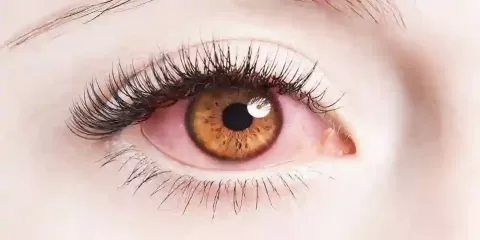
- Signs Parents Should Not Ignore: Parents should remain alert to symptoms such as persistent redness, frequent eye rubbing, excessive tearing, sensitivity to light, or complaints of blurred vision. These signs may indicate eye strain, irritation, or underlying eye conditions. Early attention and timely consultation with an eye specialist can help prevent complications and protect long-term vision.
Protecting your child's eyes during summer is not complicated, but it does require awareness and consistency. Simple steps such as using UV-protective eyewear, encouraging healthy daily habits, and recognising early warning signs can go a long way in safeguarding long-term vision. If you have concerns about your child's eye health or wish to schedule a routine eye check-up, schedule your appointment at Centre For Sight today!
Frequently Asked Questions
How to protect children's eyes from sun damage?
What are early warning signs for eye damage from sun in children?
How to do proper eye care for children in summer season?
Are regular sunglasses enough for outdoor sports for children?
Why is UV protection important for children's eyes?

Could not find what you are looking for?


