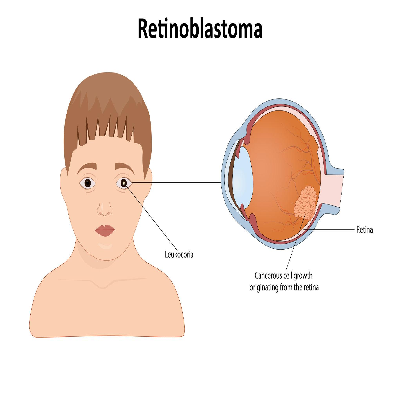
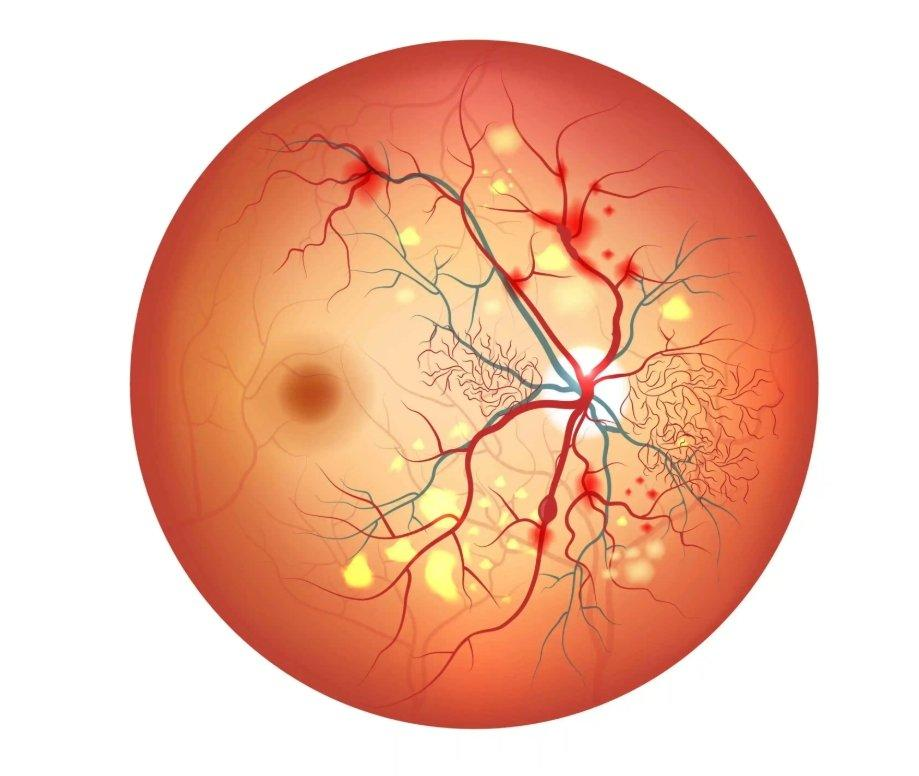
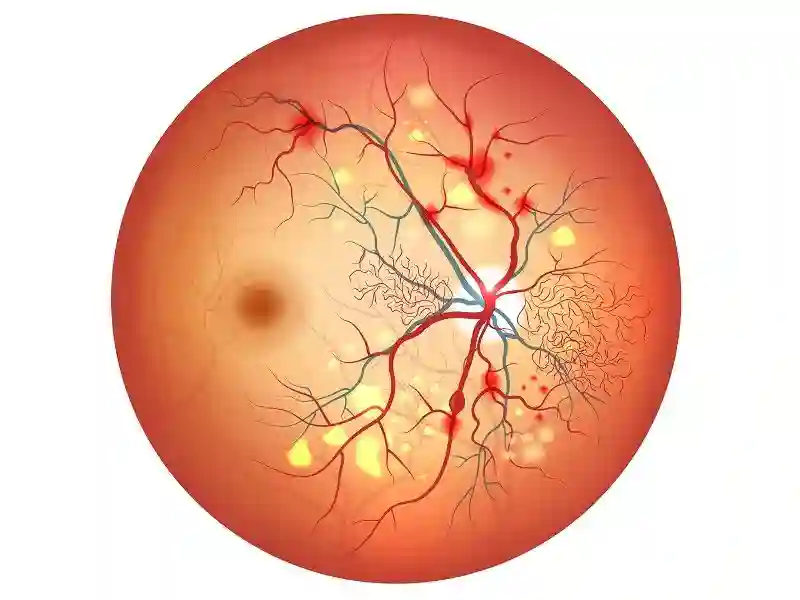
Retinoblastoma, a rare eye cancer originating in the retina—the light-sensitive tissue lining inside the eye—mainly affects young children, with occasional cases in adults. The retina, composed of nerve tissue, detects incoming light and transmits signals through the optic nerve to the brain for the interpretation of images. Retinoblastoma is most commonly found in children and can affect one or both eyes. This highlights the importance of regular eye checks, as it is the main type of eye cancer in young patients.
Retinoblastoma is a rare type of eye cancer that develops in the retina, the light-sensitive tissue at the back of the eye. It most often occurs in young children and most cases are diagnosed before age 3–5. While retinoblastoma commonly affects one eye, it can occasionally develop in both eyes.
Several treatment options are available for retinoblastoma, and the prognosis for diagnosed children is generally positive. Early detection plays a crucial role, as timely treatment can help preserve vision, prevent the cancer from spreading beyond the eye, and significantly improve long-term survival rates.
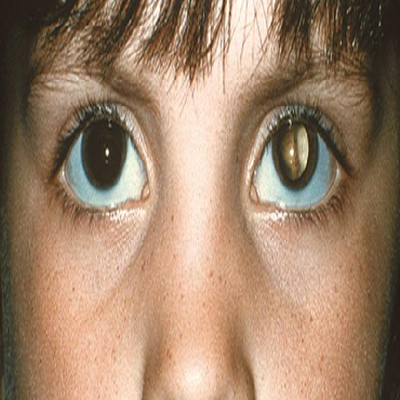
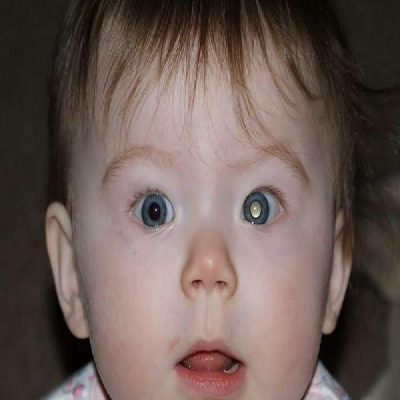
Retinoblastoma symptoms are often subtle in the early stages, but regular eye check-ups can help detect the condition early in children. Recognising retinoblastoma signs promptly enables timely diagnosis, effective treatment, and improved chances of preserving vision and overall health. Some of the most common indicators include:
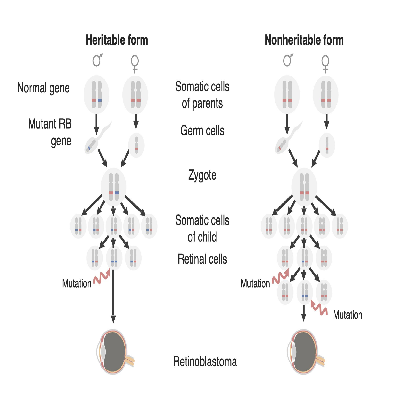
Retinoblastoma is primarily caused by genetic mutations. The retinoblastoma gene can be inherited or non-inherited. Causes of retinoblastoma may also be influenced by environmental or non-genetic factors, such as advanced paternal age, which has been weakly linked to a higher risk of germline RB1 mutations, probably due to accumulated DNA replication errors in sperm. The following are the main causes and risk factors of retinoblastoma:
Retinoblastoma is classified based on how it develops and whether it affects one or both eyes. The classification of retinoblastoma is crucial as it guides diagnosis, treatment, and genetic counseling. While inherited mutations cause some cases, others occur sporadically without a family history. Types of Retinoblastoma include:
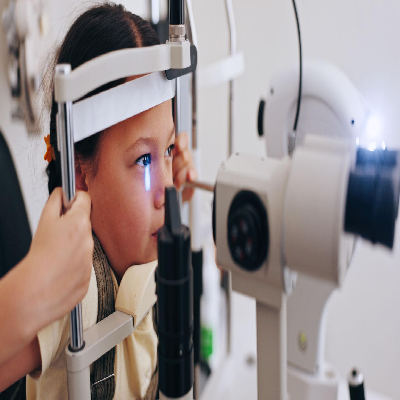
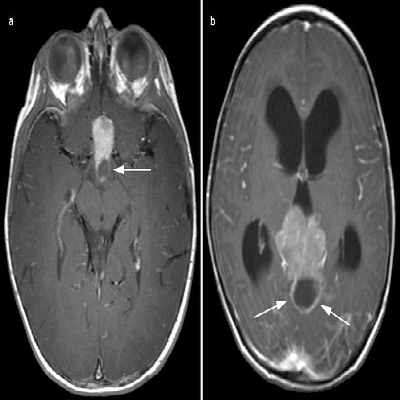
Retinoblastoma is diagnosed through a dilated eye examination using a special light and lens to visualize the retina, allowing early detection of the tumor and assessment of its spread. An ophthalmologist typically performs this detailed examination, sometimes under anesthesia, to ensure accuracy in diagnosing retinoblastoma. In addition to the physical exam, imaging techniques are employed to determine the size, location, and potential extension of the cancer to nearby tissues or the brain. Because its symptoms can mimic other eye conditions, evaluation by a specialist is crucial.
Retinoblastoma’s diagnostic procedures include:
Stage 0:
Stage 1: Unilateral retinoblastoma with a larger tumor, but still confined to the retina.
Stage 2: Unilateral retinoblastoma with more extensive involvement of the retina. Involvement of the optic nerve may also place the tumor in this stage.
Stage 3: Extensive unilateral retinoblastoma with involvement of the optic nerve.
Stage 4: Bilateral retinoblastoma (tumors in both eyes) with or without optic nerve involvement.
Stage 5 (Recurrent): Unilateral or bilateral retinoblastoma with extraocular extension beyond the eye. This stage indicates invasion into nearby structures, such as the orbit or the tissues around the eye.
Timely and effective retinoblastoma treatment saves lives and also offers a multitude of benefits for young patients. Here’s are the major benefits of retinoblastoma treatment:
Early intervention helps preserve vision and reduces the risk of visual impairment or blindness associated with advanced retinoblastoma.
Successful retinoblastoma treatment contributes to an improved quality of life, allowing you to engage fully in academic, social, and recreational activities.
Treatment methods such as surgery, chemotherapy, and targeted therapies are instrumental in preventing the spread of cancer beyond the eye.
Prompt treatment alleviates physical discomfort associated with retinoblastoma, such as eye pain or inflammation, leading to a more comfortable daily life for the child.
Retinoblastoma treatment extends beyond the physical aspect, addressing emotional and psychological well-being. It provides support for both the child and their family, fostering resilience and coping mechanisms.
Successful treatment brings reassurance to families, reducing anxiety about their child’s health and future. Regular monitoring post-treatment further assures long-term well-being.
Treatment facilitates normal developmental milestones, allowing the child to grow, learn, and explore their surroundings without the hindrance of untreated retinoblastoma.
Here’s an in-depth look at various strategies tailored to address the unique needs of affected children:
Retinoblastoma treatment is often effective; however, certain side effects and risks may arise in some cases. Common side effects include temporary changes in vision, light sensitivity, and eye redness. Chemotherapy may cause nausea, fatigue, and hair loss, while surgical procedures can lead to emotional and psychological difficulties for both the child and their family. In rare instances, treatment might increase the risk of secondary cancers or long-term vision issues.
Awareness of these possibilities is important to ensure timely medical support and to address both the physical and emotional aspects of recovery.
Selecting the most suitable retinoblastoma treatment is a careful decision. Begin with seeking guidance from a reliable eyecare provider who can provide specialized advice based on your individual circumstances. Additionally, here are some generic points to evaluate while considering the right treatment:
By evaluating these factors, along with the guidance of your eye doctor, you can make an informed decision regarding retinoblastoma treatment best-suited for the specific needs and circumstances of the child.
Aftercare following retinoblastoma surgery involves both medical follow-up and supportive care to safeguard the child’s overall well-being. Proper surgical site care, including gentle cleansing and limiting physical activity, is essential. Long-term follow-up with ophthalmologists is also crucial to monitor for any signs of cancer recurrence.
Aftercare precautions include:
Retinoblastoma treatment costs in India vary greatly depending on the severity of the condition and the required treatment approach. Factors such as the stage of the disease, type of treatment (chemotherapy, surgery, laser therapy, or radiotherapy), duration of hospitalisation, and follow-up care all impact the overall expenditure. Costs also differ between government hospitals, private healthcare providers, and specialised cancer centres. Individual procedures may include laser therapy or cryotherapy (₹20,000–₹45,000), radiation (₹80,000–₹1,50,000), and enucleation surgery (₹70,000–₹1,20,000).

Choosing Centre For Sight for retinoblastoma treatment ensures a comprehensive and compassionate approach. Our doctors and medical staff specialize in customized treatments, including surgery, chemotherapy, and laser therapy. We prioritize the unique needs of each child, offering world-class medical care and emotional support for both the young patient and their family. Our patient centric approach makes us stand out as a beacon of hope.
Retinoblastoma is a rare type of eye cancer in children that primarily affects those under five years old.. It occurs when retinal cells grow uncontrollably due to genetic changes, forming a tumor. If left untreated, it can lead to partial or complete blindness.
Retinoblastoma is diagnosed through a comprehensive eye examination, which may include dilated eye exams, imaging tests like ultrasound or MRI, and biopsy of the tumor tissue for confirmation.
Retinoblastoma is curable, especially when detected early. Treatment options include chemotherapy, radiation therapy, laser therapy, or surgery.
Yes, there are two main types of retinoblastoma patients:
Unilateral: Affecting one eye
Bilateral: Affecting both eyes. Bilateral cases are often hereditary and associated with a higher risk of other family members being affected
Regardless of the type, it’s crucial to consult with an eye specialist for accurate diagnosis and personalized treatment plans.
If a child has a heritable form of retinoblastoma, then regular check-up for the kid becomes vital. If the child is screened carefully, then early detection can help treat the condition successfully.
Infection, bleeding, and implant-related complications are risks related to retinoblastoma surgery which involves removal of the affected eye.
Enucleation is surgery in which the patients diseased eye is completely removed. During enucleation, the eye muscles and associated orbital contents are left untouched.
Retinoblastoma occurs mostly in children under the age of six. About forty percent of cases of retinoblastoma are inherited. Regular eye checkups for your child can help massively as retinoblastoma treatment can be more effective if the disease is detected early on.
Possible side-effects of chemotherapy are hair loss, loss of appetite, constipation, fatigue, mouth sores, vomiting, and bleeding.
The life expectancy of retinoblastoma depends on factors like the stage of the cancer, response to treatment, and whether it has spread to other parts of the body. With prompt and effective treatment, the prognosis is generally favorable.
The main cause of retinoblastoma is genetic mutations that occur in the cells of the retina.The life expectancy of retinoblastoma depends on factors like the stage of the cancer, response to treatment, and whether it has spread to other parts of the body. With prompt and effective treatment, the prognosis is generally favorable.
Retinoblastoma is treated through a combination of methods, including surgery (enucleation), chemotherapy, laser therapy, and cryotherapy. Treatment plans are tailored based on factors such as the extent of the disease, and early detection significantly improves prognosis. A multidisciplinary approach involving specialists, supportive care, genetic counseling, and long-term monitoring are essential components of the treatment process.The main cause of retinoblastoma is genetic mutations that occur in the cells of the retina.The life expectancy of retinoblastoma depends on factors like the stage of the cancer, response to treatment, and whether it has spread to other parts of the body. With prompt and effective treatment, the prognosis is generally favorable.
Retinoblastoma treatment depends upon several factors like:
Getting to know that anybody has cancer, is a feeling of shock, sadness and disbelief. You can help your child in several ways:
Post-enucleation retinoblastoma surgery, the eye surgeon places an artificial eye implant in the socket of the eyes. Then, eye muscles are attached to the artificial eye implant. It looks like natural eyes, but cannot see. But, it does move to some extent.Getting to know that anybody has cancer, is a feeling of shock, sadness and disbelief. You can help your child in several ways:
One of the ways chemotherapy is used is chemo reduction. In chemo reduction, drugs are used to shrink tumours that have not spread outside the eyes.
0-6 yearsOne of the ways chemotherapy is used is chemo reduction. In chemo reduction, drugs are used to shrink tumours that have not spread outside the eyes.