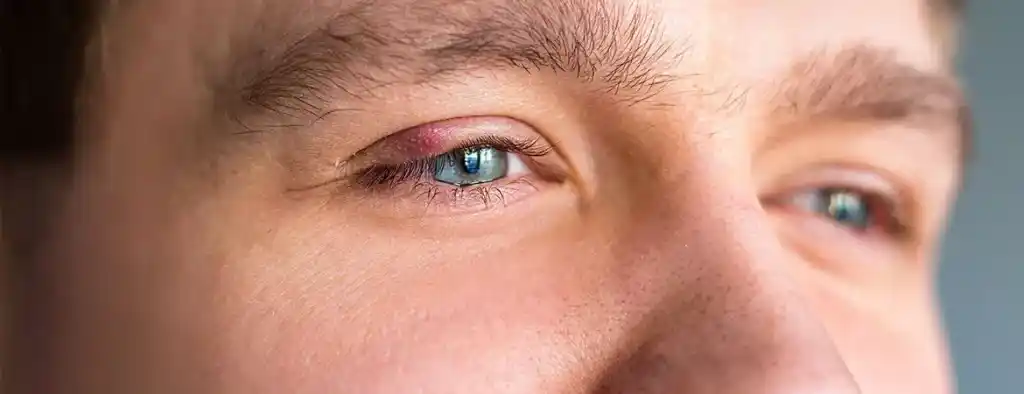
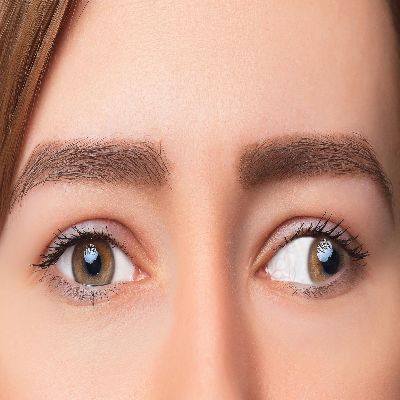

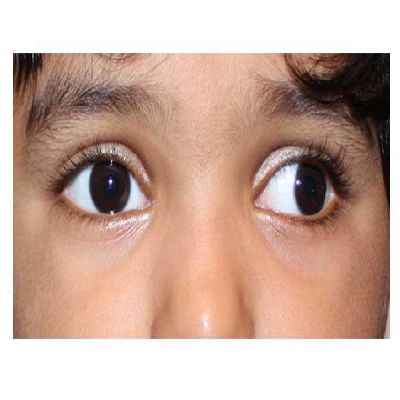
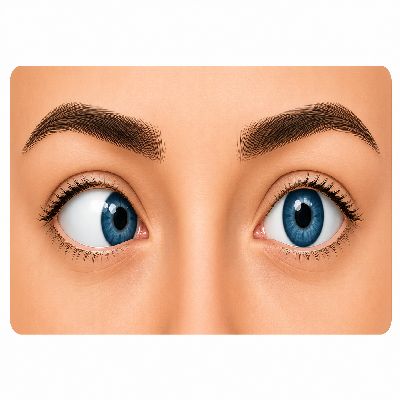
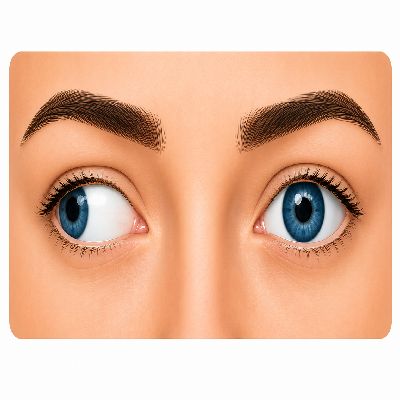
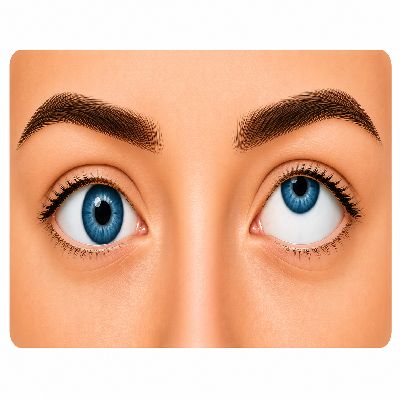
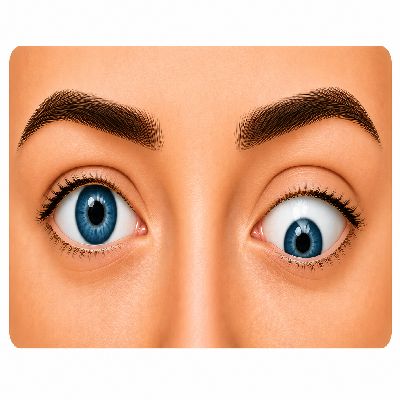
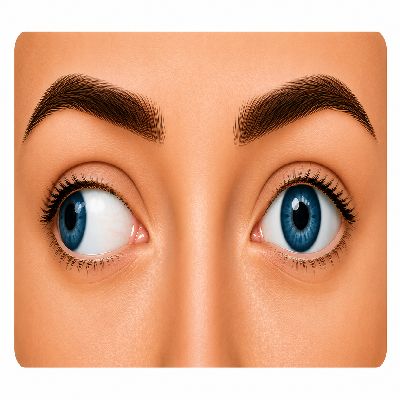
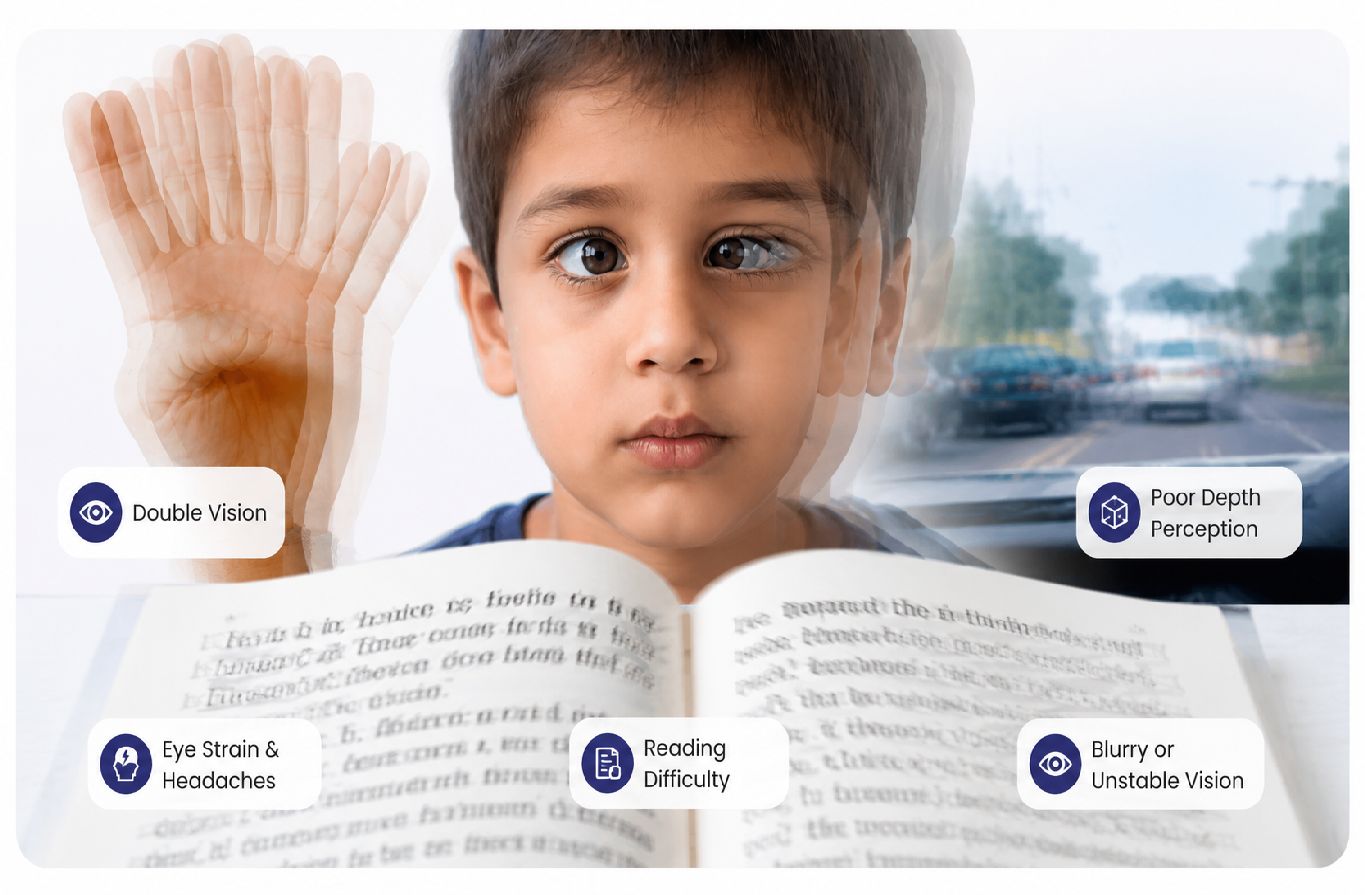
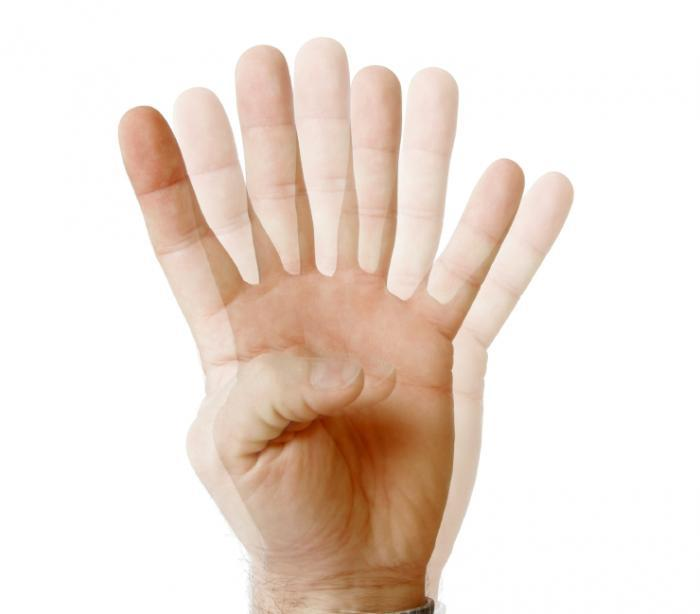
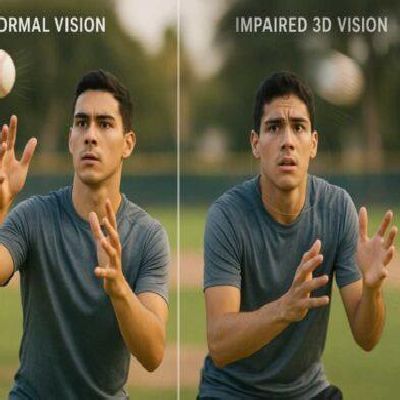


Squint, also known as strabismus, is a condition where the eyes are misaligned, causing them to point in different directions. This misalignment can lead to double vision, decreased depth perception, and visual discomfort. Squint can affect people of all ages, from childhood to adulthood, and may develop due to various causes. Early diagnosis and treatment are vital for correcting alignment and enhancing vision.
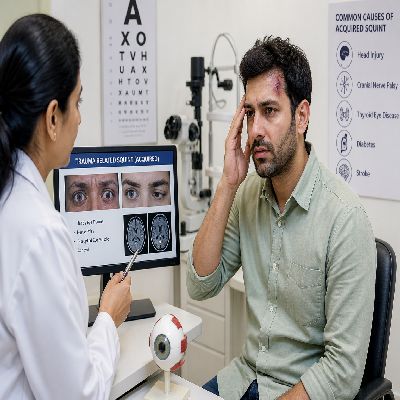
Adults may develop squint for various reasons, ranging from genetic factors to lifestyle habits. In some cases, it is caused by underlying medical or neurological conditions, while in others, it results from vision problems or eye muscle imbalance. Recognising the squint eye causes is essential for effective squint treatment. The main reasons why adults develop squint include:
Symptoms of Squint Eye in adults often show up through noticeable visual changes and discomfort. These symptoms can interfere with daily activities, reduce the person’s visual quality, and affect their overall eye health. Recognising them early aids in seeking prompt treatment and avoiding further complications.
These are the various signs and symptoms of squint eye that you must look out for. If you notice these signs, you should visit an eye specialist for a proper and timely diagnosis. Your doctor will then be able to check your eligibility for squint surgery.
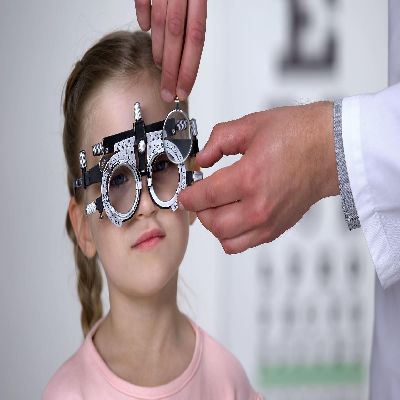
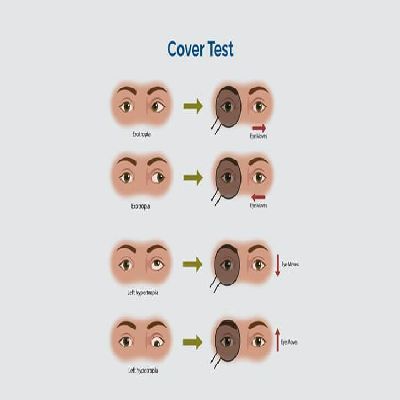
At the Centre for Sight, squint is diagnosed through a detailed eye examination conducted by an ophthalmologist or optometrist. This process includes discussing symptoms, examining medical and family history, and conducting tests to evaluate visual acuity, eye alignment, and muscle coordination. In some cases, advanced tests like corneal topography or imaging are performed to determine the exact cause and severity. Common diagnostic tests include:
Once diagnosed, squint eye treatment at the Centre for Sight is customised according to the type and severity of the condition. Options may include prescription glasses, prism lenses, or squint eye exercises to strengthen muscle control. In more advanced cases, surgical procedures might be recommended to correct alignment and enhance both vision and appearance.
Non-Surgical Treatments for Squint Eye:
When non-surgical options for squint are ineffective, doctors may recommend Squint surgery for adults to restore proper eye alignment. The procedure involves adjusting the length or position of the eye muscles so that the eyes can focus in the same direction. Depending on the condition, surgery may be performed on one or both eyes.
When non-surgical treatments prove insufficient, squint surgery becomes a viable option. Performed as an outpatient surgery, it involves adjusting the eye muscles to correct alignment. During the operation, the surgeon makes precise incisions to reposition the muscles, ensuring the eyes point in the same direction. The procedure is quick, typically taking less than an hour, and is conducted under local or general anaesthesia, depending on the patient’s age and comfort. Patients receive detailed aftercare instructions to promote recovery and maintain the surgical results post-surgery.
Squint eye surgery provides several benefits by restoring proper eye alignment, which enhances depth perception and visual coordination. It also improves binocular vision, eliminates double vision, and broadens the visual field. However, the advantages of squint surgery go well beyond these functional improvements.
Although squint surgery is generally safe, each procedure entails some risks and potential complications. While rare, side effects like temporary redness, swelling, or double vision may occur. In very rare instances, more serious issues such as infection or scarring might happen.
While these complications seem a little serious, it is always best to have a detailed discussion with your eye specialist before going for any surgery.
Recovery after squint eye surgery is typically smooth and quick; however, proper care is essential for achieving the best results. Following your doctor’s advice during the healing phase helps minimise discomfort, reduce complications, and support long-term eye health.
Initial Recovery Symptoms: Patients may experience pink tears and mild swelling in the first few days after squint eye surgery, which can be easily managed with prescribed medications.
Resuming Daily Activities: Most patients can return to regular activities within 1-2 days. However, avoiding strenuous exercises, swimming, and any activities that strain the eyes is better for a few weeks.
Follow-Up Appointments: Regular follow-up visits with your ophthalmologist are vital to monitor the healing process and ensure the surgery’s success.
Diet and Healing: A well-balanced diet can help support healing and enhance overall recovery.
Long-Term Care: It’s recommended to schedule annual eye exams to track any changes and manage potential recurrences if they arise.
While in some cases squint eyes are unavoidable, early prevention can help reduce the risk and severity. This includes maintaining good eye health from childhood, early intervention, and regular eye check-ups. These preventive steps can play an important role in managing squint eyes.
Squint surgery cost in India ranges from ₹30,000 to ₹1,00,000. The cost varies based on factors such as the city, surgeon’s experience, hospital fees, and the complexity of the case. The overall cost usually covers the surgeon’s fees, anaesthesia, facility charges, pre- and post-operative care, and necessary diagnostic tests or medications. At Centre for Sight, patients receive advanced technology and expert care, with squint surgery available at an affordable cost. Visit and consult us to understand pricing based on your eye condition and suggested surgery.
Centre for Sight is renowned for its expertise in squint eye surgery, providing advanced and personalised care. Our team of experienced ophthalmologists uses state-of-the-art technology to diagnose and treat squints accurately. With a patient-centred approach, we offer various treatment options, from non-surgical methods to advanced surgical procedures, ensuring the best possible outcomes. Trust us to restore your vision and confidence with our commitment to excellence and compassionate care.
Squint surgery can be performed at any age, but it’s usually recommended after a child’s vision stabilizes, around 4 to 6 years old.
The best treatment for squint eyes depends on factors like the type, severity, and cause, and may include glasses, exercises, or surgery.
Yes, strabismus surgery aims to improve eye alignment, enhancing visual coordination and potentially leading to clearer vision.
Yes, strabismus surgery is considered safe, but like any surgery, it carries some minor potential risks. Your eye surgeon will discuss potential complications and address any concerns during the consultation.
Before strabismus surgery, follow your surgeon’s pre-operative instructions, which may include avoiding certain medications and fasting. Mentally prepare by discussing any anxieties or questions with your medical team for a smoother experience.
Squint surgery generally takes about 4 to 6 weeks for complete healing, though initial recovery is much faster. Most patients can resume normal daily activities within 1-2 days after the procedure.
Natural methods like eye exercises may help improve squint eyes, but they’re often used alongside other treatments.
Yes, a squint eye can usually be corrected through treatments like surgery, eye exercises, or glasses.
Strabismus surgery is generally highly effective, especially when performed by skilled and experienced eye surgeons. Results may vary, and your ophthalmologist will provide personalized expectations based on your case.
Squint surgery costs vary based on factors like location, surgeon expertise, and the complexity of the procedure. Consult with your eye care provider for an accurate estimate tailored to your case.
Squint is diagnosed through several eye tests to determine its type and severity. These include the Visual Acuity Test (checks clarity of vision), Refraction Test (detects refractive errors), Cover Test (assesses eye alignment), and Retinal/Nerve Checks (rule out neurological issues).
WhatsApp us