

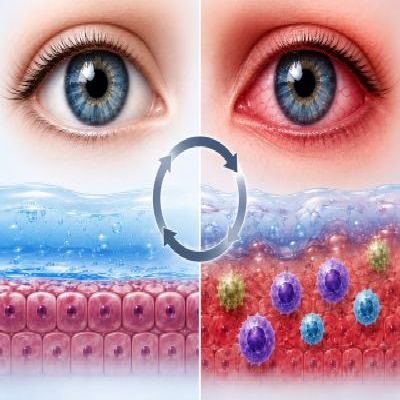
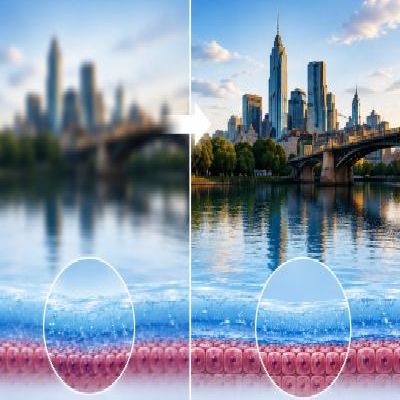


The health of the eye’s surface plays a vital role in maintaining clear vision and overall eye comfort. Ocular surface disorders can disrupt this balance, leading to discomfort, blurry vision, and even long-term complications if left untreated. At Centre for Sight, we specialise in diagnosing and offering advanced ocular surface treatments to restore your eye health and quality of life.
What Are Ocular Surface Diseases?
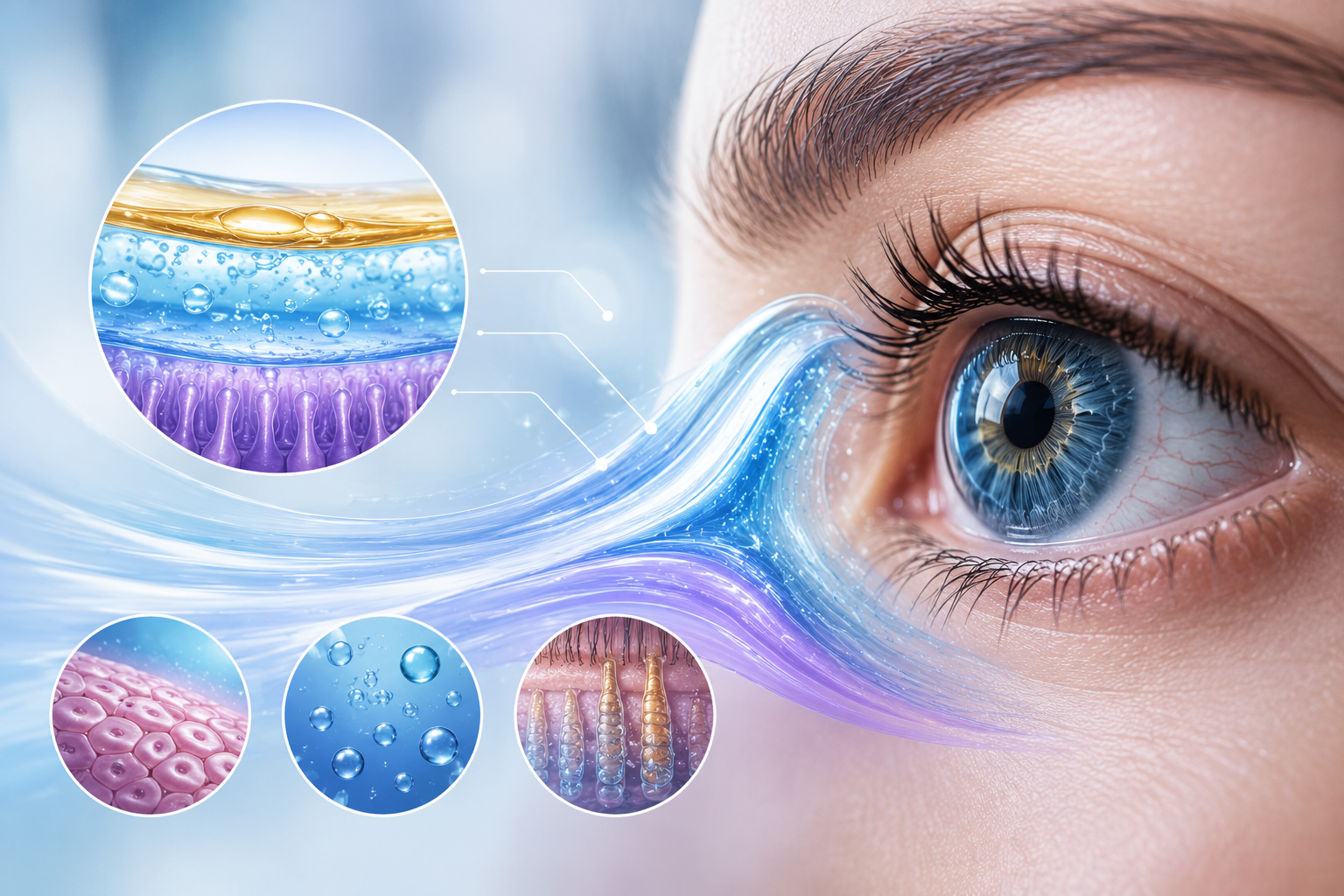
Conditions that affect the outermost layer of the eye, primarily the cornea, conjunctiva, and tear film, are known as ocular surface diseases.
- Cornea – a dome-shaped surface that helps focus light
- Conjunctiva – a thin membrane covering the eye’s white area and inner eyelids
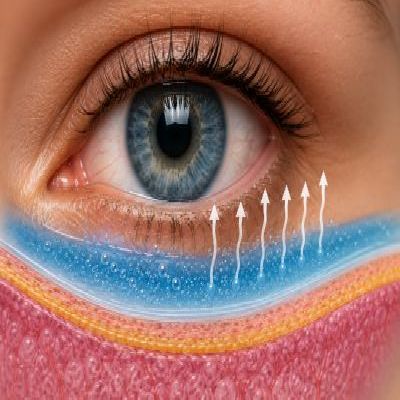
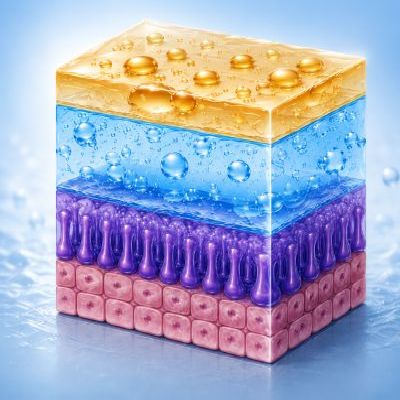
- Tear Film – keeps the eye lubricated and nourished
- Eyelid Margins & Meibomian Glands – produce oils to stabilize the tear film
These structures protect the eye, retain moisture, and support overall clear vision. When any of these parts are affected, it can lead to discomfort, dry eyes, inflammation, and vision issues. A few examples of triggers include aging, excessive screen time, allergies, infections, autoimmune conditions, or environmental changes.
Dry Eye Syndrome, Allergic Conjunctivitis, Blepharitis, Meibomian Gland Dysfunction, Keratitis, and inflammation are among the conditions that affect the surface of the eyes. With accurate diagnosis and essential care, such as eye drops, lifestyle changes, or medical care, these conditions can be effectively controlled.
Types of Ocular Surface Disorders
Ocular surface disorders encompass a range of conditions, including:
- Dry Eye Syndrome: Lack of tears
- Conjunctivitis: Eye infection/inflammation
- Blepharitis: Eyelid inflammation
- Corneal Ulcers
- Pterygium: White eye tissue growth
- Keratitis: Corneal inflammation
- Pinguecula: Yellow eye bumps
- Allergic Eye: Itchy/red eyes
Dry Eye Syndrome
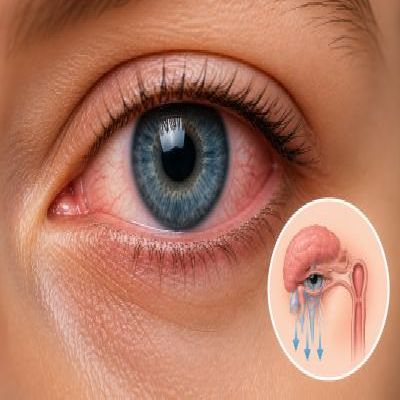
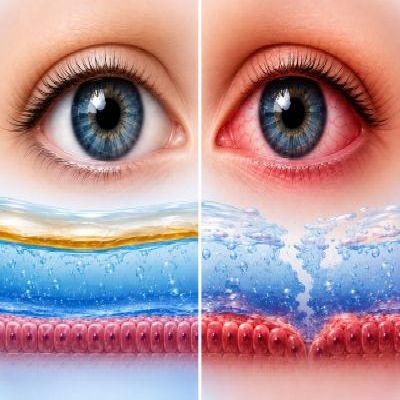
Dry Eye Syndrome occurs when your eyes do not produce enough tears or they dry up too quickly, causing irritation, redness, or burning. It is triggered by factors such as aging, increased screen time, the use of certain medications, or dry environments.
Blepharitis
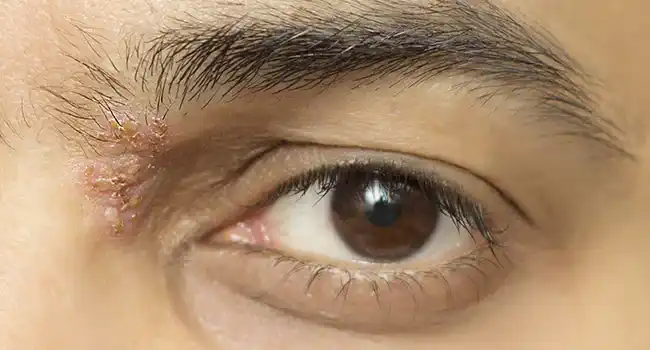
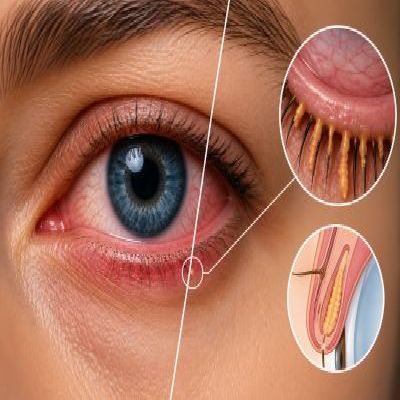
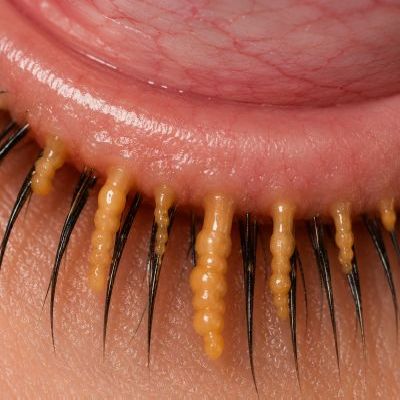
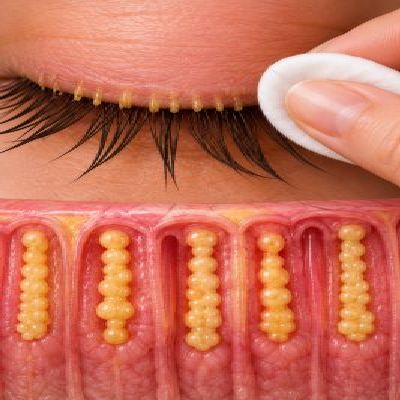
Blepharitis is an inflammation of the eyelids, characterised by redness, irritation, itching, and crusting around them. It is often associated with blocked oil glands, bacterial buildup, or skin conditions such as dandruff. The condition tends to be chronic and can recur repeatedly.
Allergic Conjunctivitis
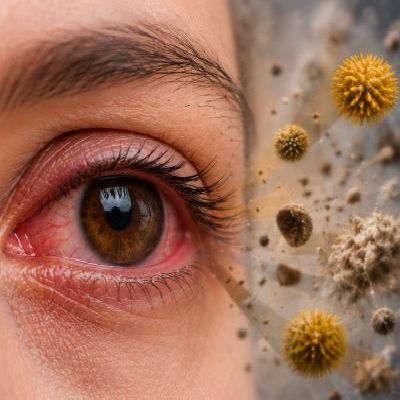
Allergic Conjunctivitis is an allergic eye inflammation triggered by pollen, dust, pet dander, or smoke. This leads to redness, itching, watering, and swelling. It is not contagious and usually flares up during allergy season.
Meibomian Gland Dysfunction (MGD)
Meibomian gland dysfunction (MGD) occurs when the meibomian glands, which are tiny oil glands in your eyelids, do not function properly. Consequently, your eyes may feel watery, dry, or irritated.
Ocular Surface Inflammation
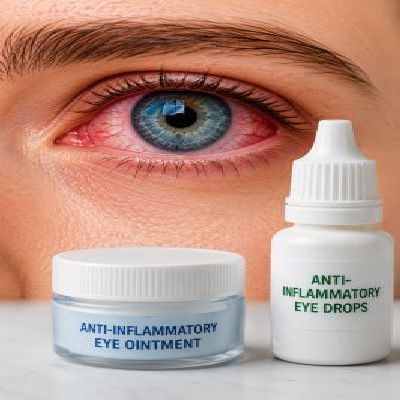
Ocular Surface Inflammation is caused by irritation and swelling of the outermost layers of the eye. It may occur because of dry eyes, allergies, infections, or autoimmune diseases. Eyes may feel red, itchy, watery, or gritty, with blurred vision.
Symptoms of Dry Eyes
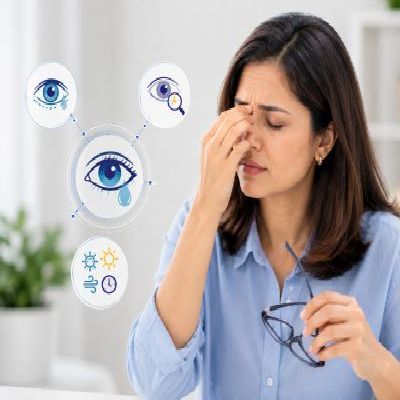
Symptoms of Dry Eye Syndrome vary from mild irritation to chronic discomfort affecting everyday activities. The symptoms can become more noticeable in certain situations such as air-conditioned rooms, dry or windy weather, or excessive use of digital devices devices.
Detailed Symptoms:
- Stinging, burning, or scratchy sensation
- Redness, itching, or irritation
- Feeling like grit, sand or something foreign is in the eye
- Watery eyes from tears over production
- Blurry or fluctuating vision after tasks requiring focus
- Mucus discharge in or around the eyes
- Sensitivity to light
- Discomfort wearing contact lenses
- Discomfort driving at night due to glare and blurred vision
These symptoms can worsen over time, highlighting the importance of timely intervention with effective dry eye syndrome treatments.
Causes of Dry Eyes
The causes of dry eyes and ocular surface disorders are multifaceted, including:
- Ageing: Tear production naturally decreases with age, particularly after 50.
- Environmental Factors: Dry or windy climates, prolonged screen exposure, and air-conditioned environments can exacerbate symptoms.
- Medical Conditions: Autoimmune diseases like Sjögren’s syndrome, rheumatoid arthritis, and lupus are linked to various ocular surface disorders, including dry eyes.
- Medications: Certain antihistamines, decongestants, and antidepressants can reduce tear production.
- Hormonal Changes: Pregnancy, menopause, or hormonal therapies can disrupt tear balance.
Understanding the underlying causes of dry eyes is essential for personalised treatment planning.
Treatment for Dry Eye Syndrome
Mild to moderate cases of dry eye syndrome can often be managed with a combination of the following treatments:
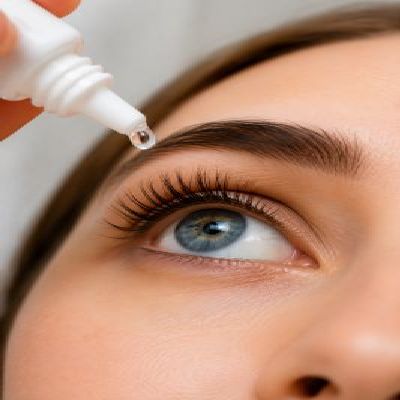
- Artificial Tears
Over-the-counter lubricating drops provide temporary relief by supplementing the tear film. - Medicated Eye Drops
Prescription drops containing anti-inflammatory agents can reduce swelling and promote tear production. - Eyelid Hygiene
Regular cleaning of the eyelids helps manage blepharitis and Meibomian gland dysfunction. - Warm Compress
Applying heat to the eyelids can unblock oil glands, improving tear quality. - Nutritional Supplements
Omega-3 fatty acids are known to support healthy tear production.
While these measures are effective for many, advanced cases may require additional interventions.
Advanced Treatment Options for Severe Cases
For patients with severe ocular surface disorder or chronic dry eye syndrome, advanced treatment options are available:
- Punctal Plugs
Small, biocompatible devices are inserted into tear ducts to retain moisture in the eyes. - Lipiflow Thermal Pulsation
A device that uses heat and gentle pressure to unblock Meibomian glands. - Amniotic Membrane Therapy
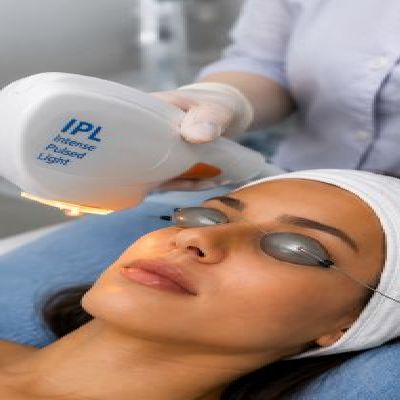
A biological treatment that promotes healing of the ocular surface in severe cases. - Intense Pulsed Light (IPL) Therapy
Targets Meibomian gland dysfunction by reducing inflammation and improving tear quality.
In some cases where severe corneal damage occurs, a cornea transplant procedure may be required to restore vision. This involves replacing the damaged cornea with a healthy donor cornea, improving both vision clarity and eye health.
Why Choose Centre for Sight for Dry Eyes Treatment?
At Centre for Sight, we are committed to providing comprehensive care for patients suffering from ocular surface disorders. Here’s why patients trust us:
- Expert Team: Our experienced specialists use a patient-centric approach to deliver effective treatments tailored to individual needs.
- Advanced Technology: We employ state-of-the-art diagnostic tools and treatments to ensure accurate assessments and optimal outcomes.
- Holistic Approach: From lifestyle recommendations to advanced therapies, we focus on long-term relief and overall eye health.
- Proven Results: With years of experience and countless success stories, Centre for Sight remains a leader in dry eyes treatment and ocular surface care.
In cases where other treatments are ineffective, a cornea transplant operation can be a life-changing procedure, helping patients regain clear vision. While highly successful, it’s important to be aware of cornea transplant complications such as graft rejection, infection, or astigmatism, which can be managed with timely medical intervention.
Take the first step towards healthier eyes with our expert care.
Frequently Asked Questions
What Is the Routine for Dry Eyes?
The routine for managing dry eyes may include using artificial tears, avoiding dry environments, taking breaks from screen time, and staying hydrated.
What Is the Most Appropriate Treatment for Dry Eye?
The most appropriate treatment for dry eye varies depending on the severity and cause but may include artificial tears and medications.
What Is Ocular Surface Inflammation?
Ocular surface inflammation is a condition where the outer layer of the eye becomes inflamed, causing symptoms like redness, irritation, and discomfort.
What Is the Surface of the Eye?
The surface of the eye includes the cornea, conjunctiva, and tear film, which protect and lubricate the eye.
How fasting causes dry eyes?
During the phase of consistent fasting, our intake of a nutrient-rich diet decreases in quantity. Therefore, the lack of nutrients that are required by our body to ensure an active functioning of eye muscles and tear glands is the cause of dry eyes. As per medical researchers, the functioning of certain fluids of our body gets altered during the fasting period. In the same context, the components of the tear protein film undergo specific changes. The protein pattern of the tear film alters. Hence, it results in the depletion of the moist layer and causes dry eyes.
What are some home remedies to cure dry eyes?
- Blink frequently
People tend to blink much less while working on a computer, digital display
devices, etc. The decreased rate of aggravates mild dry eye symptoms. Make sure
to perform a full blink in a way that you squeeze your eyelids together. This
action spreads a fresh layer of tears over your eyes. - Remove eye makeup thoroughly
Eyeliner, kohl, eye shadows, etc. clog the skin and meibomian glands under the
eyelashes. Be diligent about removing every bit of makeup from lashes, eyelids,
and nearby areas before going to bed. - Following eye care routine
It is essential to follow an eye care routine to keep eyes hydrated. Apply moist
washcloth for at least three minutes to close eyelids. Gently wash them with a
mild cleanser and moisturizer with eye care cream. You can also put warm
compresses of cotton on your eyes to relax them. - Wear quality sunglasses
Wind, dust, and other irritants in the air can worsen dry eye symptoms. Thats
why it becomes vital to choose quality sunglasses while stepping outside. It
would be best if you go for a wrap-style frame as it not only covers your eyes but
gives full protection to the nearby areas too. - Medicine adjustment
Several medicines can acutely cause dry eyes or worsen mild dry eye symptoms.
Antidepressants, medicines for controlling blood pressure, etc. can exacerbate
the situation. Consult with your doctor and adjust the medication.
Am I at the risk of developing blepharitis?
Children and adults both are susceptible to this ocular disorder.
What is Sjogren’s syndrome?
Sjogren’s syndrome is a rare autoimmune disorder that results in low or hyperimmune activity. A person suffering from this syndrome will always complain about the dryness of the mouth and eyes.
What is rosacea?
Rosacea is a skin condition that is characterised by tiny, red, pus-filled bumps on the skin. This condition often causes soreness and burning in the eyes.
How to curb dry eyes in winters?
With your doctors recommendation, you can do the following things:
- If you use contact lenses, it’s essential to be extra cautious in the winter.
- Make use of rewetting drops as often as you can.
- Lenses are like sponges and are required to remain hydrated to maintain their shape, so keep them lubricated.
- You can shield your eyes from elements by putting on a hat with a brim and wearing sunglasses.
- Even before when you step outdoors, you should prevent dryness by using a humidifier.
Do eye boogers need treatment?
If you’re experiencing mild discharge when you wake up, there is no treatment necessary. If some other condition causes the discharge, treatment may be needed, which can include
To treat conditions like conjunctivitis, dry eyes, or corneal ulcers use eye drops
Wear glasses instead of contact lenses for several days or weeks while your eyes heal
Avoid any contact with your eyes except to apply medications after washing your hands thoroughly
What can be complications of dry eye syndrome treatment?
After dry eye syndrome treatment, people have no long-term complications, most likely. Dry eyes sometimes cause conjunctivitis, which generally does not require treatment. But, if it is recurring, then it is a sign that you may need to talk to your specialist about your condition and dry eye syndrome treatment.
Contact Centre for Sight for one of the best treatments for dry eyes
Is there any disease that can cause dry eyes?
Although dry eyes disorders are multifactorial, still some diseases can cause this eye condition, like:
Rosacea
Collagen vascular diseases
Rheumatoid arthritis
Congenital eye problem
Can I live a Normal Life with Dry Eyes?
While dry eyes can be uncomfortable, most people with the condition can live normal lives with proper management and treatment.
What are the risk factors associated with rosacea?
Rosacea usually affects people who are more than thirty years of age. This is a condition that is mostly seen in people with fair skin. This can also be hereditary.
What are some simple tips for managing dry eye disorder?
You can do your bit for dry eye syndrome treatment by following common tips:
Stay clear of the environment that may induce dry eyes. Avoid areas which might be abundant in dust, smoke, or wind.
Use eye drops or ointments to ensure that your eyes stay lubricated.
See your doctor if severe symptoms of dry eyes show up. Some of the serious symptoms include:
Pain is more than mild irritation.
Dry mouth.
Joint pain, stiffness or swelling.
Continued dryness even after taking preventive steps and precautions.
Centre for Sight provides one of the best treatments for dry eyes and other ocular disorders.
How can Sjogren’s syndrome be cured or managed?
Artificial tears to lubricate the eyes is often understood as the standard way to treat this ocular disorder. Wrap around a pair of glasses is also considered as an option to prevent eyes from an external stimulant.
What Is Ocular Surface Damage?
Ocular surface damage refers to injuries or conditions affecting the outer layer of the eye, leading to discomfort or vision problems.
What steps can I take to treat blepharitis at home?
Blepharitis is an ocular eye disorder. Hence, warm compresses and washing the eyelids can help in treating the condition as a home remedy. Follow your doctors advice before taking any antibiotics to prevent inflammation and infection.
What Is the Ocular Surface?
The ocular surface refers to the outer layer of the eye, including the cornea, conjunctiva, and tear film.
What is blepharitis?
Blepharitis is a multifactorial disease. It is often caused by eyelash mites, clogged oil glands in the eyelids, dandruff in the scalp and eyebrows, and allergy due to makeup.
What Is the Best Remedy for Dry Eyes?
The best remedy for dry eyes depends on the underlying cause but may include artificial tears, lifestyle changes, or prescription medications.
What are the kinds of dry eye surgery available?
Dry eye surgery is seen as a rare treatment for this eye condition. However, there are different types of dry eye surgery that might involve blocking or closing tear ducts. Dry eye surgery can also be done to adjust the lower eyelid of the patient, so it does not lose. One of the treatment options is inserting punctal plugs in the patients tear ducts. The other type of surgery are:
Thermal cautery: Thermal cautery is seen as a measure to combat dry eyes when punctal plugs fail to suit the patient. During this kind of dry eye surgery, the surgeon uses a heated wire to shrink tissues around tear ducts. This permanently closes the duct and does not let tears drain, allowing them to be retained on the surface longer.
Salivary gland transplantation: Salivary gland transplantation is a type of dry eye surgery when your tear glands do not produce many tears. In this surgery, the surgeon may remove some parts of salivary glands from the patients lower lip and grafts them to the upper eyelid.
Is dry eye serious?
Yes, untreated dry eye can lead to discomfort, blurred vision, and in severe cases, damage to the ocular surface, increasing the risk of infection and complications.
How to fix dry eyes without eye drops?
You can manage dry eyes by staying hydrated, using a humidifier, taking breaks from screens, maintaining eyelid hygiene, and consuming omega-3-rich foods.
What are the foods that may help me dry eye syndrome treatment?
Food rich in omega-3, omega-6 fatty acids, vitamin E, and vitamin A may help you in dry eye syndrome treatment.
Does smoking affect dry eyes?
Yes, the dangerous elements of smoke get inside your bloodstream, thereby causing damage to your eyes. You place yourself at a higher risk of getting cataracts, age-related macular degeneration, and dry eyes if you smoke.
What deficiency causes dry eyes?
A deficiency in vitamin A or omega-3 fatty acids can contribute to dry eyes by affecting tear production and the health of the ocular surface.
What are some home remedies to cure dry eyes?
Blink often, keep your eyes clean, use warm compresses, wear sunglasses outside, and talk to your doctor if medicines are causing drynes
How to curb dry eyes in winters?
Use rewetting drops, keep contact lenses well hydrated, protect your eyes with sunglasses or a brimmed hat, and use a humidifier to add moisture to the air.
Do eye boogers need treatment?
Mild discharge after waking up is normal and needs no treatment. If caused by an infection or dryness, eye drops, avoiding contact lenses, and keeping hands clean may be required.
What are the complications of dry eye treatment?
Dry eye treatment usually has no long-term complications. Recurrent conjunctivitis may mean your treatment needs review by a specialist.
Is there any disease that can cause dry eyes?
Yes. Conditions like rosacea, rheumatoid arthritis, collagen disorders, and some congenital eye problems can cause dry eyes.
What are some simple tips to manage dry eye disorder?
Avoid dust, smoke, and wind. Use lubricating eye drops. See a doctor if symptoms are severe, painful, or persistent.
What kinds of dry eye surgery are available?
Surgery is rare. Options include punctal plugs, thermal cautery to close tear ducts, or salivary gland transplantation in severe cases.