What Are Contact Lenses? Types, Uses, and Risks
- By Centre For Sight
- 5 minutes
Blog Summary
Contact lenses offer a convenient vision-correction option, combining multiple lens choices with proper care practices to ensure safety, comfort, affordability, and clear eyesight for diverse lifestyles.
- Contact lenses correct different vision problems while offering visual freedom.
- Lens choice depends on eye condition, comfort, and daily lifestyle needs.
- Proper hygiene significantly reduces risks and common lens-related eye issues.
- Regular eye check-ups help maintain long-term eye health and safety.
- The wide price range in India makes contact lenses accessible to many users.
Refractive problems are pretty common among children and adults. These problems lead to nearsightedness and farsightedness that can be treated using corrective glasses or contact lenses. Contact lenses have become a more popular option as many people prefer them over glasses for cosmetic reasons. However, there are also some problems associated with contact lenses that may cause discomfort to the user. These contact lens problems primarily arise from the incorrect use of the contacts..
What are Contact Lenses?
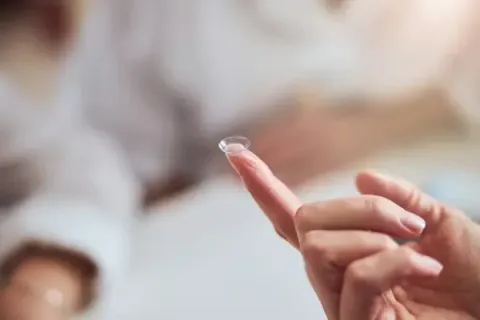
Contact lenses, or contacts as they are commonly known, are thin, clear plastic films that are supposed to be worn in your eye to improve vision. The contact lenses float on the tear film that covers the cornea of your eye. Contacts are especially useful in correcting refractive errors like myopia or nearsightedness, hyperopia or farsightedness, astigmatism or distorted vision, and presbyopia, which refers to near vision changes with age.
There are different contact lens types: hard contact lenses, soft contact lenses, presbyopia contact lenses, hybrid contact lenses, and bandage lenses. The type of contact lenses that your ophthalmologist will suggest to you depends on the condition you are facing. People with astigmatism, allergies or those who tend to get protein deposits on the contacts are advised to use hard contact lenses or RGP lenses.
Soft contact lenses are most preferred by people for daily use as they are more comfortable and are available in various options like daily wear lenses, extended wear lenses, toric contacts, coloured contacts, and many more.
Different Types of Contact Lenses and Their Uses
Several types of contact lenses, each suited for different vision needs and lifestyles, are:
- Soft contact lenses: made of soft, flexible materials that allow oxygen to pass through to the eyes and are worn directly against the eye.
- RGP/hard lenses: RGP lenses often provide sharper vision and correct astigmatism effectively, especially irregular astigmatism.
- Toric lenses: to correct astigmatism.
- Multifocal or bifocal: for those who need to focus close-up and at a distance.
- Extended-wear hybrid or daily disposable lenses: These lenses are generally planned for a short time period, although designed for longer term in some cases to be used with caution.
Depending on your eyes, lifestyle and vision issues, an eye specialist will suggest the best contact lenses for you.
Common Contact lenses Problems
Although contact lenses seem like a more convenient option to many, wearing the wrong contacts or not using them with proper care may lead to contact lens discomfort, leading to further contact lens risks if ignored for a long time. Knowing these problems will help you make the right choice that will be the most suitable for your visual health. Let's discuss the common issues faced with contact lenses:
- Discomfort after prolonged use- this problem is especially faced by new contact lens users, wherein there may be irritation and discomfort to the eyes after wearing the contacts for a prolonged period of time.
- Dry eyes- this is one of the most common problems faced by almost all contact lens users and is characterised by symptoms like redness in the eyes, soreness, increased sensitivity to light, and foreign body sensation in the eyes.
- Eye allergies- this is another common contact lens discomfort that many contact lens users face. This often leads to chronic irritation of the eyes.
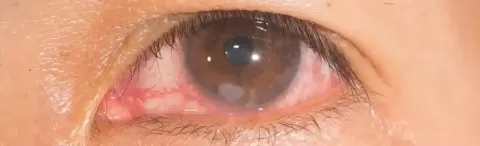
- Infections- infections are mostly caused by improper or unhygienic use of the contacts. Infections may lead to irritation, pain, and discomfort in the eyes.
- Eye makeup- using eye makeup can cause added irritation and discomfort to the eyes.
Are Contact Lenses Safe? Benefits and Risks
Are contact lenses safe is a common question. They provide many benefits of contact lenses, including improved peripheral vision, no fogging, and increased convenience for active lifestyles, and they are safe and effective when used properly.
However, if used incorrectly, this could cause some side effects like dryness, irritation, or infection. The variety, brand, and frequency of use affect the cost of contact lenses. The contact lenses price in India ranges from daily disposables, which are relatively inexpensive, to speciality lenses; thus, for most users, they are quite affordable.
What should you do about Contact Lens Discomfort?
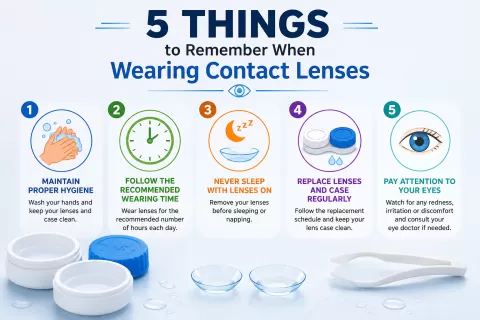
Contact lens discomfort can be a common problem among contact lens users. However, with proper care, you can avoid this discomfort. Ophthalmologists often advise new contact lens users to avoid using contact lenses throughout the day and only use them for a few hours to prevent irritation and discomfort. You should also practice proper hygiene while wearing and removing the contacts to avoid infections. If your contact lenses don't come with UV protection, it will be much better to use protective glasses while stepping out in the sun.
The discomfort that comes with contact lenses can be inconvenient, but if you take proper advice from your doctor and take good care while using them, you can avoid this discomfort.
Why CFS?
Centre For Sight or CFS is equipped with modern treatment technology and highly qualified professionals that promise to deliver you the best eye care. The carefully handpicked team of doctors and expert surgeons is dedicated to giving you proper advice about your eye health and vision care.
Frequently Asked Questions
Are contact lenses safe for daily use?
Who should not wear contact lenses?
How long can contact lenses be worn in a day?
Can contact lenses cause eye infections?
Are contact lenses better than glasses?
Could not find what you are looking for?


