Eye Checkup: What to Expect During an Eye Examination?
- By Centre For Sight
- 5 minutes
Blog Summary
A routine eye checkup helps detect early vision changes and underlying eye diseases that develop silently. Understanding what happens during a comprehensive eye test prepares you for the process and ensures timely care.
- A regular eye checkup ensures early detection of silent eye diseases.
- A comprehensive eye test includes vision, pressure, and retina evaluation.
- Timely tests prevent long-term damage and protect visual clarity.
Introduction
Regular eye examinations are essential for protecting vision at every age. Our eyes undergo constant strain due to prolonged screen time, environmental factors, ageing, and underlying health conditions such as diabetes or high blood pressure. Many eye disorders, including glaucoma, cataracts, and retinal diseases, do not show early symptoms, making scheduled tests important for prevention and early diagnosis.?
Whether you're experiencing blurry vision, frequent headaches, eye strain, or simply planning your routine screening, knowing what happens during an eye examination test helps you stay prepared and confident. Timely eye checkups not only safeguard eyesight but also help detect systemic health issues early.
What Is an Eye Checkup?
An eye checkup is a detailed assessment of your vision and eye health using different eye sight tests and diagnostic tools. These tests check clarity of sight, eye pressure, muscle function, and internal eye structures.
During an eye checkup, your eye specialists examines multiple aspects, including:
- Clarity of vision
- Eye pressure
- Eye muscle coordination
- Peripheral and central vision
- Health of internal structures such as the retina, optic nerve, and cornea
Unlike basic vision screenings, which may only check whether you can see clearly, a full eye examination test is medical in nature and can help diagnose conditions long before noticeable symptoms arise.
When Should I Get an Eye Exam?
If you're wondering 'when should I get an eye exam', the answer is that there are two factors to consider. The first is your age (this determines the frequency for eye exams based on the risk of developing age-related eye issues), and the second is whether you're experiencing any symptoms.?
Let's address the first factor.
The American Academy of Ophthalmology (AAO) and the American Association for Paediatric Ophthalmolog?and Strabismus recommend that infants be given an eye exam when they are born to rule out any developing conditions or vision problems. Additionally, their recommendation for children and teens is as follows:
- 6-12 months old: At least once within this period.
- 12 months - 3 years old: At least once within this period.
- 3-5 years old: At least once within this period.
- 5 years and above: At least once a year.
Similarly, the AAO also recommends the following frequencies for eye checkups for adults:
- 20 - 29 years old: At least once within this period.
- 30 - 39 years old: At least twice within this period.
- 40 years old: At least once when you turn 40.
- 40 - 65 years old: As recommended by your ophthalmologist.?
- 65 years and above: At least once a year.?
On the other hand, the frequency at which you may require an eye checkup can also depend on the symptoms that you experience. You should visit an eye care centre like CFS if you experience any of the following symptoms:
- Blurry vision
- Frequent headaches
- Eye pain
- A sense of straining or tiredness in the eyes
- Squints
Common Tests During an Eye Examination
After you arrive for your eye test check, you may undergo several evaluations based on your age and symptoms.
1. Vision Acuity Test
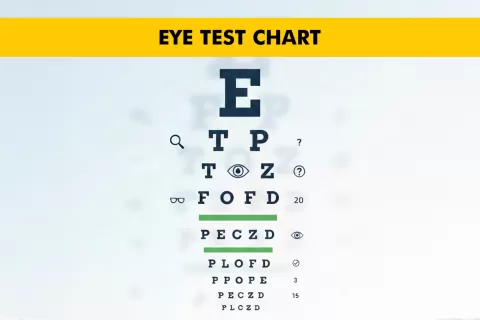
This standard eye sight test measures how clearly you can see letters or symbols on a chart from a distance. It helps detect reduced clarity of vision.
2. Refraction Test / Eye Power Test
An eye power test determines whether you need glasses or contact lenses. By switching different lenses, the doctor identifies the exact prescription needed for clear vision.
3. Eye Vision Test
This evaluates overall sight sharpness and identifies refractive errors such as:
- Nearsightedness (myopia)
- Farsightedness (hyperopia)
- Astigmatism
4. Pupil Examination
A focused beam of light checks how your pupils respond to light, providing insights into nerve function and overall eye health.
5. Dilation Test
Special eye drops widen the pupils, allowing the doctor to examine the retina, optic nerve, and blood vessels clearly. This test is essential for detecting retinal disorders and diabetic eye disease.
6. Tonometry
This medical eye test measures intraocular pressure, which helps screen for glaucoma, a condition that can cause irreversible vision loss if untreated.
Together, these steps comprise a comprehensive eye test that identifies early signs of cataracts, glaucoma, retinal issues, and refractive errors.
Why Delaying an Eye Checkup Is Risky?
Delaying or skipping routine eye examinations can allow silent conditions to worsen over time. Many eye diseases do not cause pain or early warning signs, making regular screenings critical. Early detection means:
- Less invasive treatment
- Better management of chronic eye conditions
- Reduced risk of permanent vision damage
Preventive care through scheduled eye exams is far more effective than treating advanced disease.
Eye Test Cost: What to Expect
The eye test cost can vary depending on several factors, including your age, symptoms, and the type of tests required. A basic screening is usually affordable, while a detailed eye checkup cost increases if advanced imaging, retinal scans, or specialized glaucoma tests are included.
Why CFS?
At Centre For Sight, we have a state-of-the-art diagnostics lab that can help with the early detection and treatment of various eye disorders. Our leading ophthalmologists are known for offering efficient and quick remedies. If you're experiencing pain in your eye or blurry vision, visit your nearest Centre For Sight for a checkup.
Frequently Asked Questions
What is the average cost of a full eye exam?
What is included in a full eye check?
How do I know when I need my eyes checked?
Could not find what you are looking for?


