Tired of searching for your glasses all the time or putting up with dry, itchy eyes because of wearing contact lenses? Then it’s time to learn about the ICL eye treatment. Some of the world’s top eye care professionals undertake this life-altering treatment in India, a major medical tourism destination. Everything you need to know, from the procedure and benefits to eligibility criteria and the ICL surgery cost, will be covered in this article. Let’s get started.
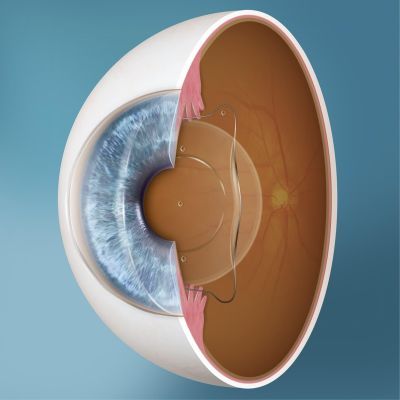
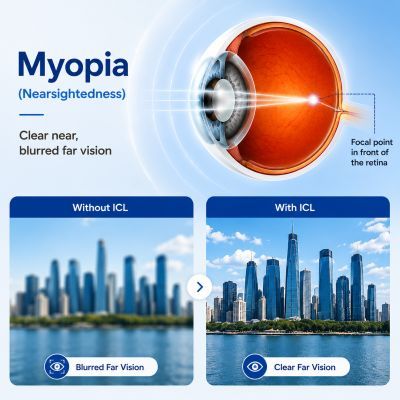
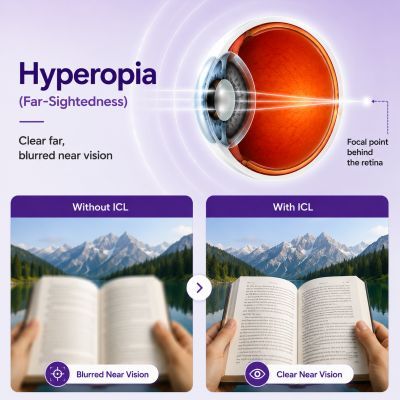
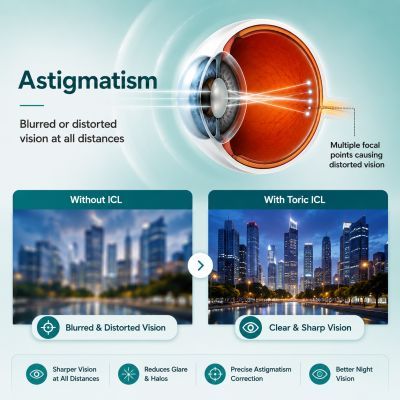
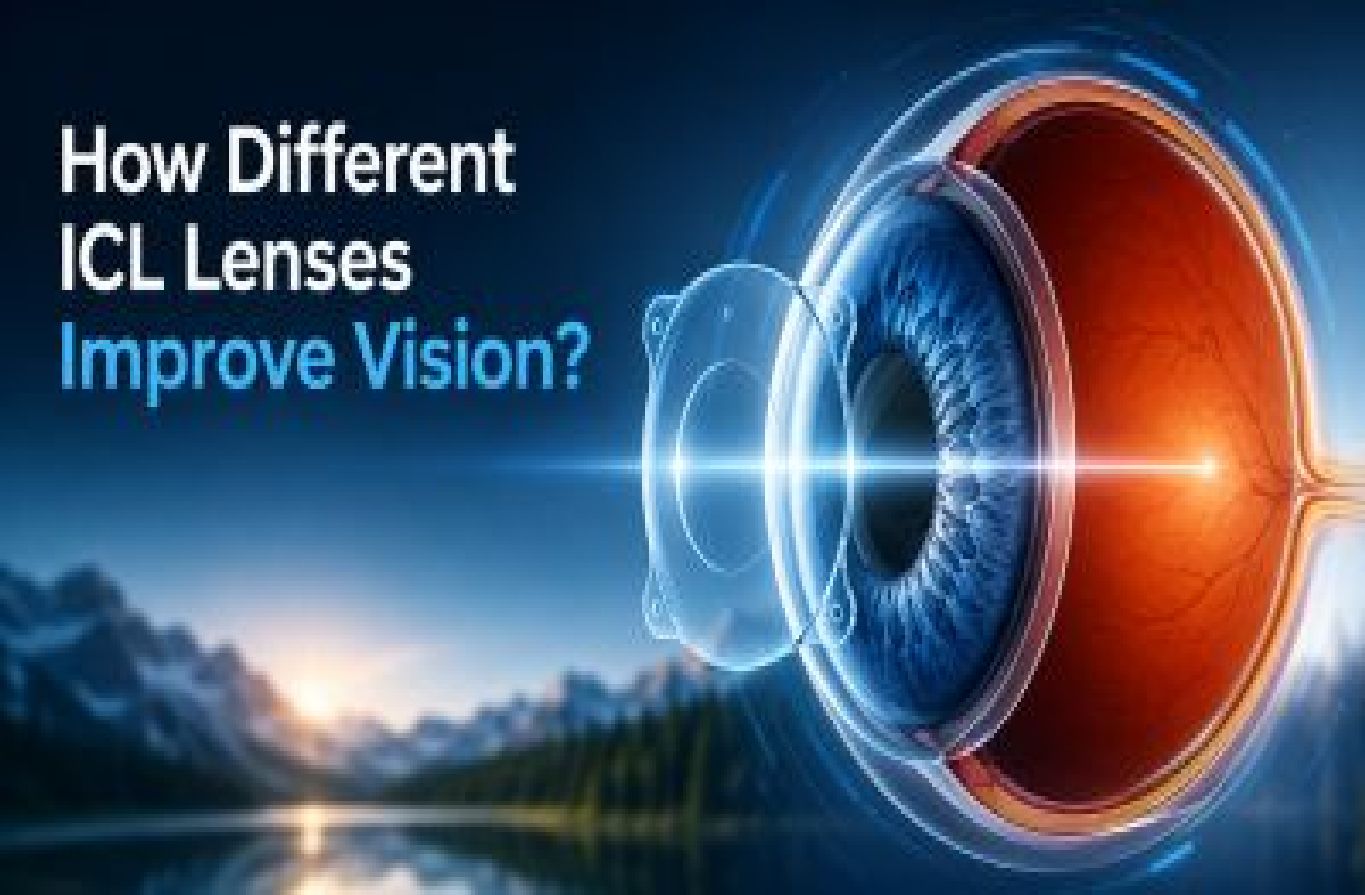
Implantable Collamer Lens (ICL) eye surgery is a procedure that corrects refractive errors, including astigmatism, myopia, hypermetropia, and others. Unlike LASIK or PRK, which reshape the cornea, ICL surgery involves inserting a thin, flexible lens between the eye’s natural lens and the iris. This placement helps improve visual acuity without altering the corneal structure.
The material used in ICL lenses, Collamer, is biocompatible. This means that the human body accepts it quickly. This reduces the risk of complications compared to other corrective eye surgeries. ICL operation for the eyes is especially beneficial for candidates who are unsuitable for LASIK.
The ICL eye treatment offers several distinct benefits that make it a better option for many. In addition to producing outstanding outcomes, its cutting-edge method of vision correction prioritises the integrity and health of your eyes. ICL surgery has genuinely life-altering advantages, regardless of your high prescription or ineligibility for conventional laser treatments.
The ICL eye surgery takes approximately 15 to 20 minutes for each eye and is a very simple and quick procedure. The ICL technique is a minimally invasive, outpatient operation in contrast to other vision correction surgeries. Here’s a detailed look at what happens in the preparation phase, during the surgery, and throughout the recuperation phase:
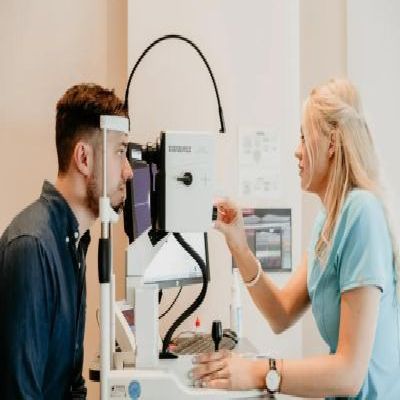
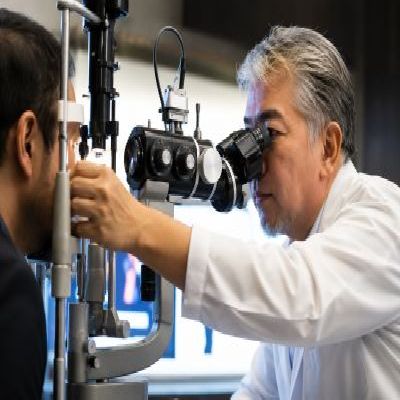
Before ICL surgery, a thorough eye examination is conducted to assess your eye health, power, and eligibility. Your surgeon may also recommend not using contact lenses for a few weeks before the surgery. This is because contact lenses alter the shape of your cornea temporarily. Measurements of your eye, including the length and thickness, are taken to ensure the correct lens size. You’ll also be informed about the ICL surgery cost at this stage.
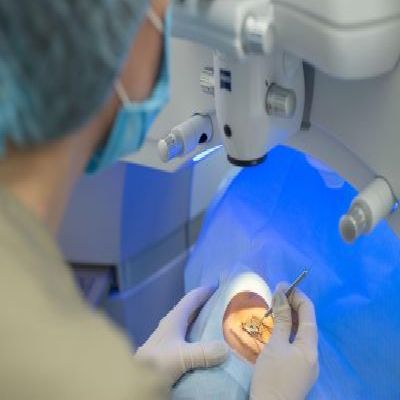
ICL surgery is quick and painless, usually within 20 to 30 minutes. A numbing eye drop is applied to prevent discomfort, and a small incision is made in the cornea. The Implantable Collamer Lens is then folded and inserted into the space between your iris and the natural lens through the incision. Once in place, the lens unfolds and is adjusted for optimal vision correction. The incision heals naturally without stitches, resulting in quicker recovery.
Post-surgery, you may experience slight blurriness or sensitivity to light, which is normal and temporary. Your eye surgeon will provide eye drops to help with healing and prevent infection. A follow-up appointment is typically scheduled the day after surgery to monitor any side effects of ICL surgery. Most patients experience improved vision within a day or two. ICL eye surgery recovery time will take a few weeks.
However, it may take several weeks to stabilise and achieve full clarity of vision after the ICL surgery. To ensure a speedy recovery and optimal results, it is essential to keep all follow-up appointments and adhere to your surgeon’s instructions.
The recovery time for ICL surgery is generally quick, with most patients returning to their normal activities within two to three days. While you may experience some light sensitivity or blurriness immediately after the surgery, these side effects typically subside within the first week.
It’s essential to avoid rubbing your eyes and follow your surgeon’s post-operative care instructions to minimise complications from ICL treatment.
Here’s a summary explaining the recovery timeline post-ICL surgery:
Protecting your newly improved vision after the ICL surgery requires a speedy recovery. By following these simple steps, you can prevent complications and promote normal eye healing. Do’s and don’ts after the surgery:
Although ICL eye surgery is praised for its excellent safety record and high success rate, it’s essential to be aware of the potential, albeit uncommon, risks and complications.
The risk of side effects is quite low, as with any surgical operation. Making an informed choice about your eye health requires being aware of these options and discussing them with your surgeon. Do keep these in mind:
The choice between ICL surgery and LASIK is an important one that is based on your unique eye condition. Here are some key differences to help you make a well-informed decision:
Feature | ICL (Implantable Collamer Lens) | LASIK (Laser-Assisted In Situ Keratomileusis) |
Procedure | Implants a lens inside the eye. | Reshapes the cornea with a laser. |
Corneal Tissue | Preserved (no tissue removed). | A portion of the cornea is removed. |
Reversibility | Fully reversible (lens can be removed). | Permanent and irreversible. |
Ideal Candidate | High prescriptions, thin corneas. | Mild to moderate prescriptions, healthy corneas. |
Dry Eye Risk | Lower. | Higher (can worsen existing dry eye). |
UV Protection | Provides built-in UV protection. | No UV protection. |
Cost | Generally more expensive. | More affordable. |
The cost of ICL surgery in India may vary depending on the complexity of the case, the location, and the surgeon’s expertise. While the ICL procedure cost may seem higher than other vision correction surgeries, the long-term benefits, including the reversible nature of the procedure, often outweigh the initial expense.
The average ICL surgery cost in India is generally between ₹1.7 lakhs and ₹2 lakhs for both eyes. However, the long-term benefits, including the reversible nature of the procedure, often outweigh the initial expense. Centre for Sight offer flexible EMI payment options to make the procedure more affordable.
ICL stands for Implantable Collamer Lens. It’s a tiny, biocompatible lens surgically placed inside the eye to correct vision, offering an alternative to glasses, contacts, and LASIK surgery.
ICL eye surgery involves implanting a tiny, biocompatible lens behind your iris and in front of your natural lens. It corrects vision permanently without reshaping the cornea, making it a popular alternative to LASIK.
ICL surgery is a permanent vision correction solution, but regular eye check-ups and occasional adjustments might be required.
Yes, ICL is a FDA approved surgery which offers crystal clear vision even for high refractive errors without any higher risk of complications.
Yes, ICL surgery is considered permanent, but individual factors can affect long-term outcomes; however visual enhancements can be done.
ICL surgery is generally considered one of the safest eye surgeries, however, like any other surgical procedure, it too carries some risks, like infection or glare, but serious complications are rare.
Individuals with certain eye conditions or health issues may not be suitable candidates.
Typically 15-30 minutes per eye.
At Centre For Sight, it starts from 1,70,000 per eye only. EMI options are available too.
ICL operation can provide long-term vision correction, but some may still require glasses for certain tasks.
It’s generally recommended to wait until after pregnancy and breastfeeding for elective surgeries.
ICL eye surgery and LASIK both have their advantages. ICL may be better for individuals with high prescriptions or thin corneas, as it doesn’t reshape the cornea like LASIK does. ICL is also reversible, offering flexibility if your vision changes. However, LASIK is more widely available and may be preferred for those with mild to moderate refractive errors.
It is considered a safe and effective procedure for correcting vision, especially for those not eligible for LASIK. It’s minimally invasive, reversible, and has a quick recovery time. Like any surgery, there are risks, but for most people, the benefits outweigh the potential downsides.
The cost of ICL surgery varies based on factors like prescription, location, surgeon’s experience, and complexity of the surgery. At Centre For Sight, it is available only at 1,70,000 for both eyes.
Implantable collamer lens implants can last a lifetime, but occasional adjustments may be required.
Both ICL and LASIK specs-removal surgeries have their own pros and cons but the choice between them should depend on factors like refractive error range, cornea strength, corneal thickness, and the person’s individual preferences.
Yes, ICL can be removed if necessary.
Between the iris and the natural lens.
No, it’s usually not felt as it’s inside the eye.
Eye is numbed, a small incision is made, and the lens is inserted. Minimal discomfort and quick recovery are typical.
In some cases, yes, for specific tasks.
So Curious to know the ways to Get rid of Glasses or Contact Lenses tap here
Implantable Collamer Lenses are designed to be permanent and can last a lifetime. However, they are removable and replaceable, offering flexibility in case your vision changes or other complications arise.
ICL surgery is generally not painful. Patients receive numbing eye drops, and the procedure itself is quick. Some discomfort or sensitivity may occur after surgery but usually subsides within a few days.
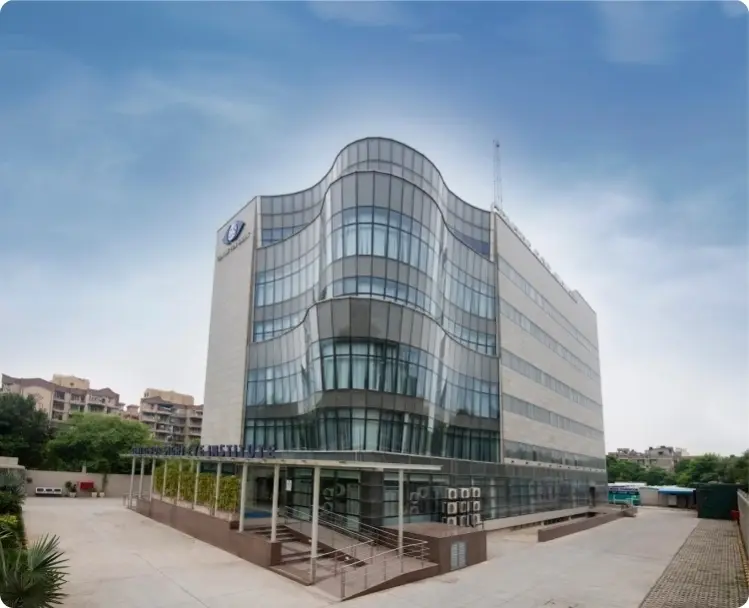
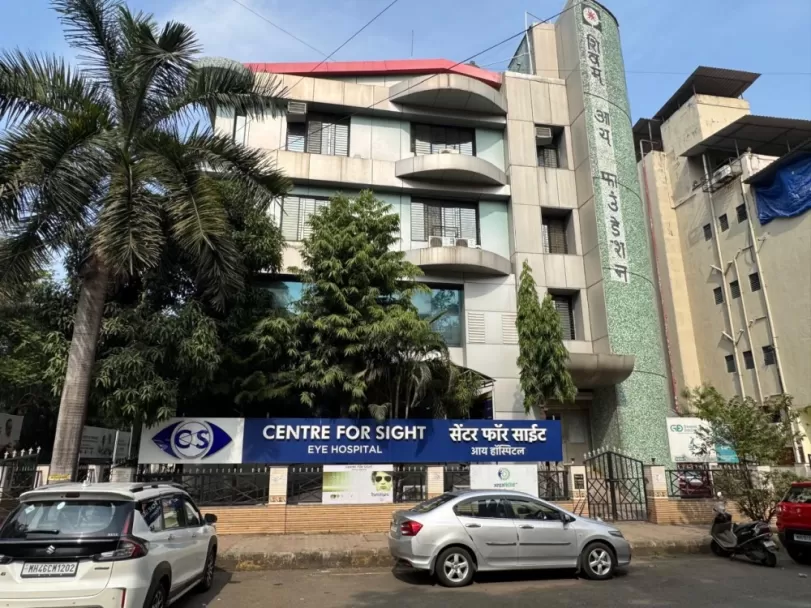
Centre for Sight is a one stop solution for all eye care needs, they have highly skilled ophthalmologists.