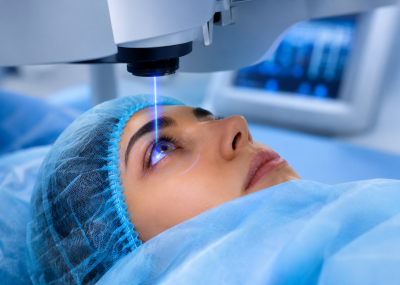
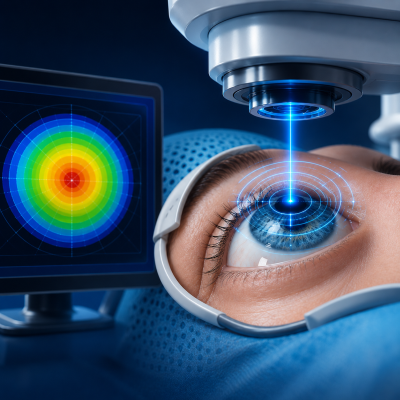
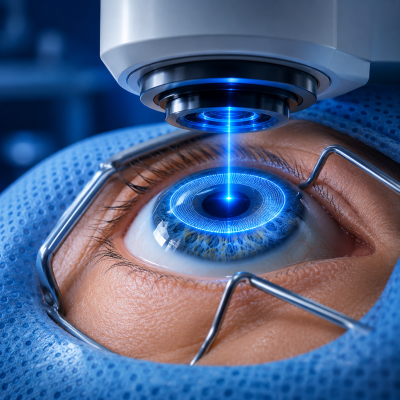
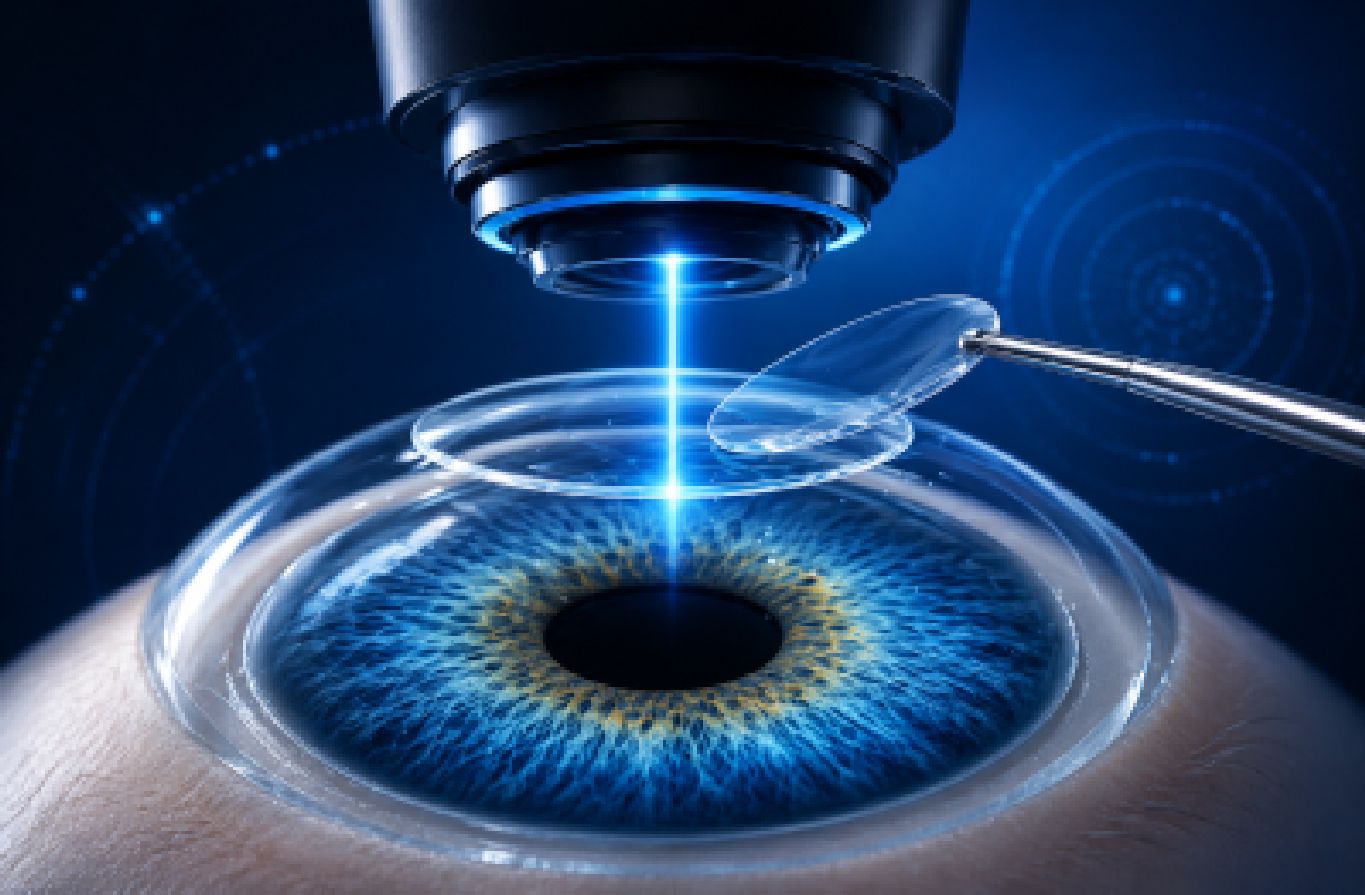
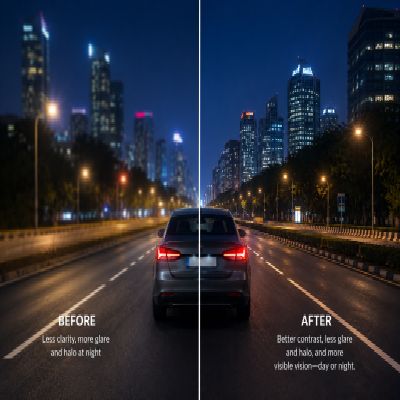
SILK eye surgery, also known as Smooth Incision Lenticule Keratomileusis, is one of the latest advancements in vision correction technology. This procedure uses an advanced femtosecond laser known as ELITA to reshape the cornea. It is designed to accurately correct common vision issues, such as myopia (nearsightedness) and astigmatism. SILK Laser is a minimally invasive, flapless surgery that offers patients a safe and efficient way to achieve clear vision without the need for glasses or contact lenses.
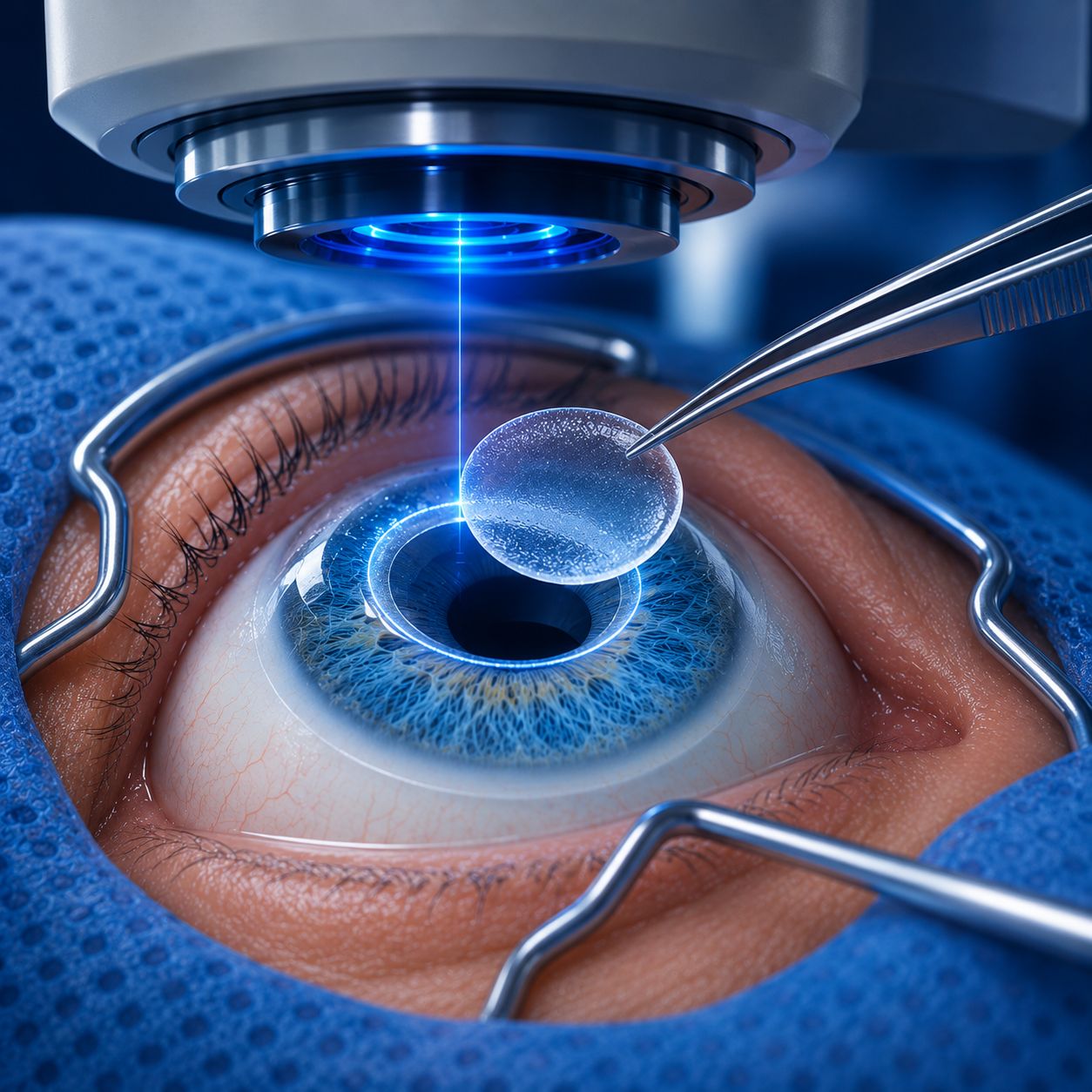
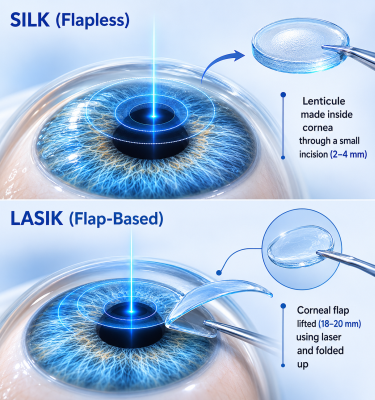
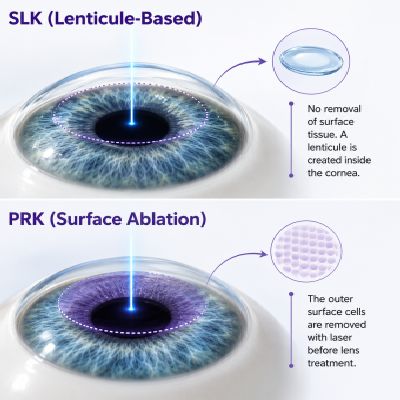
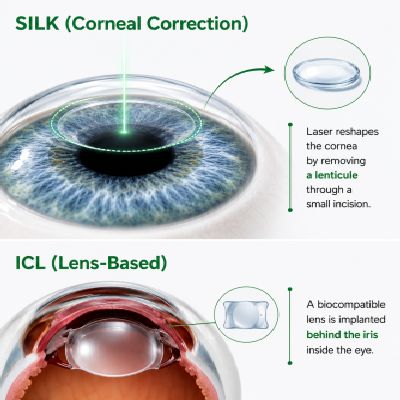
SILK (Smooth Incision Lenticule Keratomileusis) is a next-generation, minimally invasive vision correction procedure designed to treat refractive errors like myopia and astigmatism. Unlike traditional LASIK, SILK creates an ultra-thin lenticule within the cornea using advanced femtosecond laser technology, which is then removed through a tiny incision. This flapless technique preserves more corneal strength, reduces the risk of dry eye, and ensures faster healing. SILK offers patients sharper vision, enhanced comfort, and improved safety with long-lasting results.
SILK eye surgery offers several advantages that make it an increasingly popular alternative to conventional vision correction procedures. Designed with advanced ELITA femtosecond laser technology, it focuses on both safety and precision, ensuring patients enjoy clear vision with minimal discomfort. Unlike LASIK, it avoids flap-related risks, making recovery smoother and outcomes more dependable. The procedure is particularly beneficial for those with thinner corneas or concerns about post-surgical side effects. Some of the key benefits include:
Suitability for Thin Corneas: SILK is suitable for individuals who may not qualify for traditional LASIK due to thinner corneas.
SILK eye surgery is designed to be quick, minimally invasive, and highly effective, making it a preferred choice for vision correction. The entire process usually takes less than 15 minutes per eye and involves only a few precise steps. Using advanced laser technology, patients experience minimal discomfort and can expect noticeable improvements in vision soon after surgery. Below is a step-by-step guide to the process:
Most patients notice an improvement in their vision within hours of the surgery, and the recovery process is generally quick, with minimal discomfort.
While SILK eye surgery is a safe and effective vision correction procedure, it is not suitable for everyone. A detailed evaluation is essential to determine whether you meet the required medical and visual parameters. Factors such as age, prescription stability, corneal thickness, and overall eye health are carefully assessed. This ensures that only eligible patients undergo the silk eye treatment, maximising safety and achieving the best possible outcomes from the advanced SILK technique.
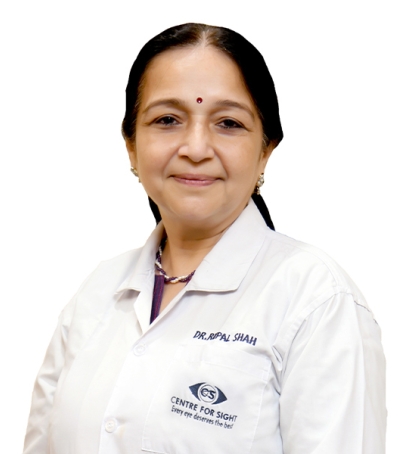
An eye specialist at Centre for Sight will conduct a thorough evaluation to confirm if SILK is the most suitable option for you.
Like any surgical procedure, SILK eye surgery carries certain risks and potential side effects. The good news is that these are usually minor, temporary, and can be effectively managed with proper care. Patients are advised to be aware of the following possibilities:
It is essential to discuss any concerns with your surgeon before surgery to understand the risks and manage expectations.
Recovery after SILK eye surgery is usually quick and smooth, with most patients noticing clearer vision within one to two days. However, following post-operative care is essential to ensure proper healing and long-term results. Most side effects, such as mild dryness or light sensitivity, subside within the first week. Here’s a general recovery timeline and recommended care tips:
Full visual stability may take up to a month, although most patients experience improvements almost immediately.
SILK eye surgery cost in India generally depends on multiple factors and ranges between ₹1,10,000 and ₹1,40,000 for both eyes. At Centre For Sight, the procedure typically starts at ₹1,30,000, with the final price influenced by the patient’s prescription, case complexity, and additional services required. Factors such as hospital location, reputation, surgeon’s expertise, and the technology used also impact the cost. Most packages include pre-operative evaluations, the surgery itself, and post-operative follow-ups. Patients can also explore flexible payment options, including EMIs, to make the treatment more accessible.

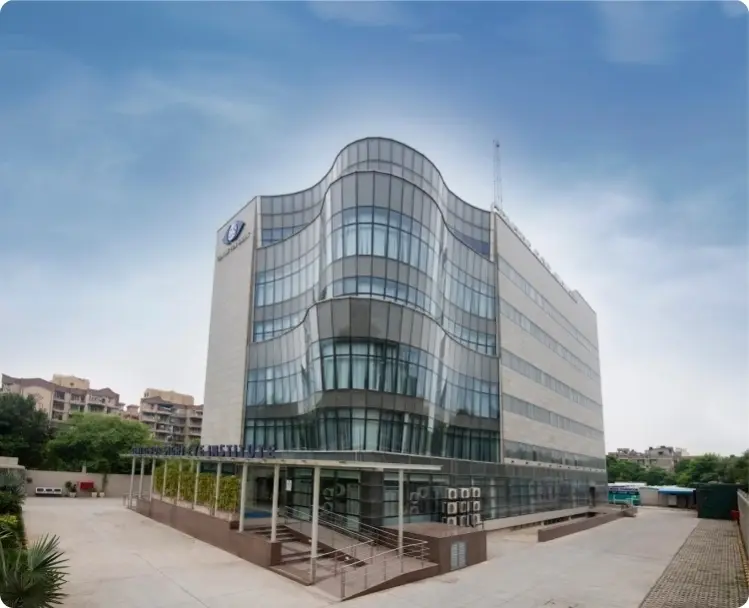
Centre for Sight is a trusted name in eye care and a preferred destination for SILK surgery in India. With over 30 years of expertise and more than one million patients successfully treated across our nationwide centres, we combine advanced technology with patient-centric care to deliver superior outcomes and a seamless treatment experience.
Here’s what sets us apart:
By choosing Centre for Sight for your SILK surgery, you benefit from an exceptional blend of experience, technology, and compassionate care, ensuring you achieve the best possible outcome.
SILK and Contoura Vision are both advanced refractive surgeries offering high precision and crystal clear vision, however, SILK holds an upper hand as it is a flapless procedure with better recovery, compared to Contoura Vision. It also provides long-term stable results with no chances of flap-related complications or side effects, such as dry eyes.
It is available at an affordable price of 1,30,000 for both eyes, though the price may vary based on the patient’s prescription, surgeon’s experience, and the complexity of the surgery.
Yes, the results of SILK procedure last a lifetime, however, after 40-45yrs of age, individuals may require reading glasses.
Yes, Patients’ age must lie between 18-40 yrs along with stable power from the last six months to undergo SILK Surgery.
At Centre For Sight, laser eye surgery starts from an affordable cost of 20,500 per eye, though it may vary based on the patient’s prescription, type and complexity of the surgery.
SILK can be combined with other procedures like ICL depending on the need of the patient. The suitability for the same is best discussed with your doctor.
The SILK procedure, is an advanced refractive (spectacle removal) laser procedure currently considered as the latest among all available refractive surgeries. It uses the advanced Elita machine introduced by J&J Vision, specifically designed to correct myopia (nearsightedness) and astigmatism.
The SILK Procedure is the safest among all spectacles removal procedures as it uses advanced second generation Femtosecond laser that emits ultra fast and precise laser shots, that minimizes risks as well as enhances the patient’s comfort. However, as with any surgical procedure, there may be potential risks and complications that should be discussed with your ophthalmologist.
Yes, an individual usually undergoes the SILK procedure on both eyes during a single session.
As suggested, one can resume using digital devices or reading within 1-2 days after the SILK eye surgery.
LASIK and SILK are both well-known refractive surgeries and have their own advantages; while LASIK is an old traditional method, on the other hand, SILK is the latest flapless and bladeless laser vision correction method.
SILK stands for smooth incision lenticule keratomileusis (a flapless procedure) and reshapes the cornea via lenticule extraction, a flapless procedure to correct common refractive errors like myopia (nearsightedness) and astigmatism.
People with specific eye conditions like history of glaucoma might not be eligible to undergo the SILK surgery, but a thorough evaluation by your ophthalmologist is essential to determine the eligibility after assessing your medical history. Patients with progressive cataract should opt for cataract surgery for spectacle removal.
Patients who went through SILK procedure can avoid direct exposure to sunlight and bright lights for the 1st day or two days. They can wear sunglasses to protect their eyes from harmful UV rays and dust for a few days.
Yes, SILK eye surgery corrects cylinder power (astigmatism) up to 6D.
After the SILK Procedure, it is advisable to avoid swimming or participating in any water-related activities for a minimum of 2-4 weeks to minimize complications. Our eye specialists will offer guidance on when it’s appropriate to resume such activities.
The SILK procedure addresses refractive issues like myopia (nearsightedness) up to -12D and astigmatism up to 6D. However it does not have the capability to correct hyperopia or “plus” powers.
The SILK procedure is well-known for its rapid recovery feature. Most patients can resume their work and normal activities within 24 hours after undergoing it; however prior consultation with your surgeon for a complete recovery is essential.
Though there are no strict restrictions on exposure to sunlight or room light after the SILK surgery, it is advisable that one must wear sunglasses during outdoor visits to protect your eyes from dust as well as harmful UV rays for a few days/weeks.
Yes, you can wear contact lenses but since the SILK surgery offers 6/6 vision acuity, you won’t require to wear contact lenses; however, if you want to wear coloured lenses for fashionable purposes, you can do so a few weeks after the procedure. It is suggested to consult with your eye surgeon to get the best guidance on when it’s safe to wear contact lenses and which type of contact lenses will be suitable.