


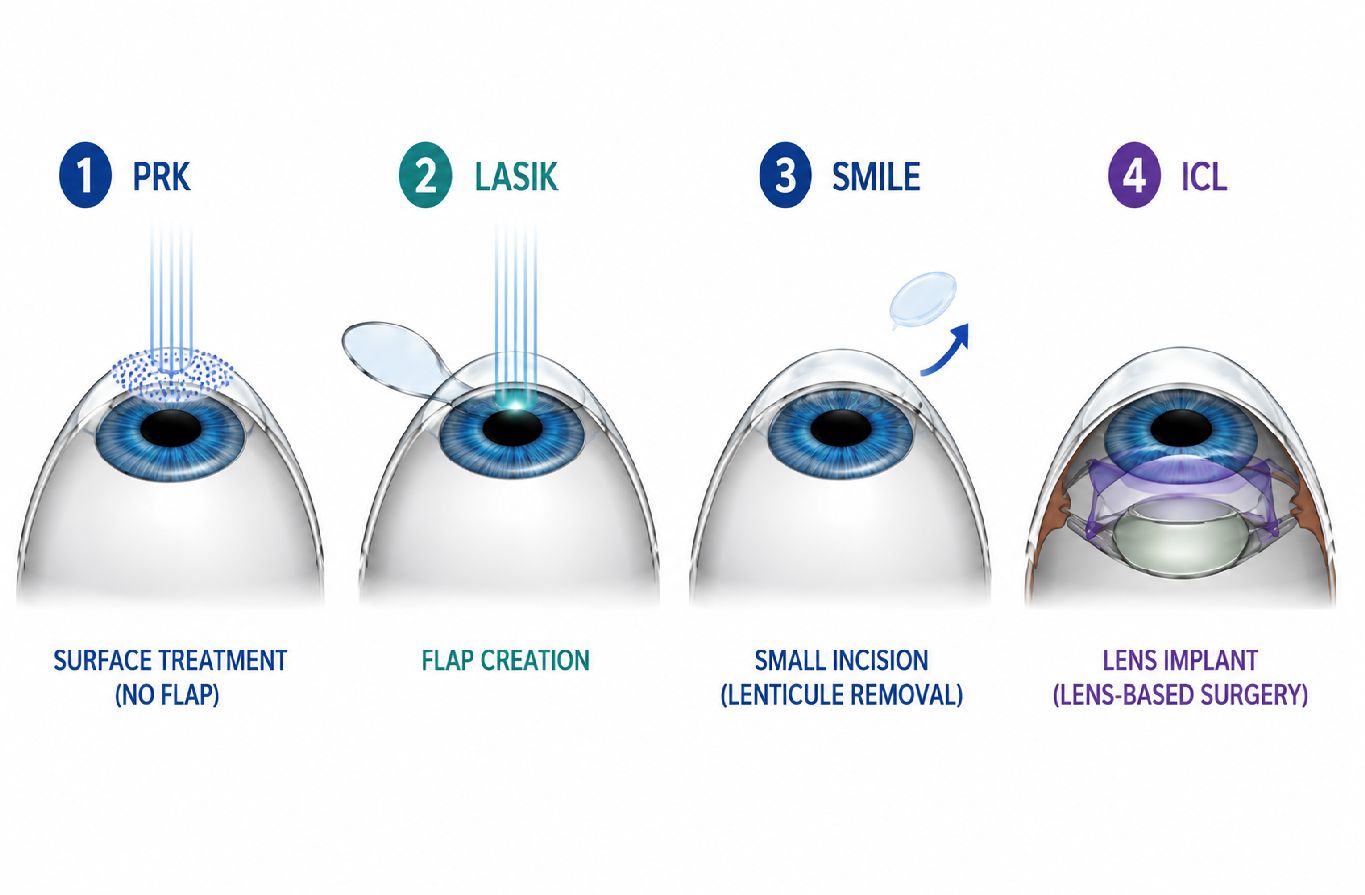

Photorefractive Keratectomy (PRK) is one of the earliest and most trusted laser eye surgeries that corrects refractive errors, including myopia, hyperopia, and astigmatism. Unlike LASIK, PRK reshapes the cornea without creating a flap, making it a safer choice for patients with thinner corneas. At Centre for Sight, our expert ophthalmologists utilise advanced technology and customised treatment plans to deliver safe, precise, and effective results, helping patients achieve clearer vision and a better quality of life.
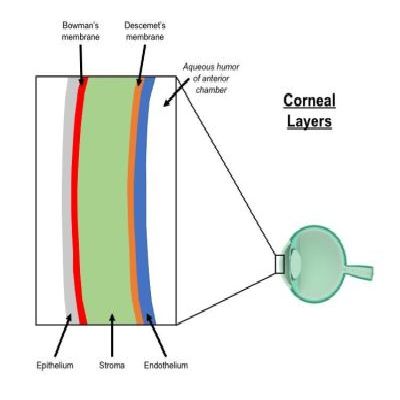
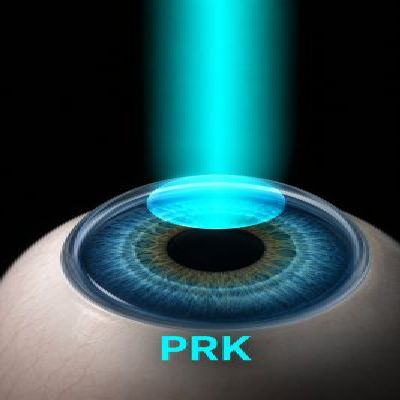
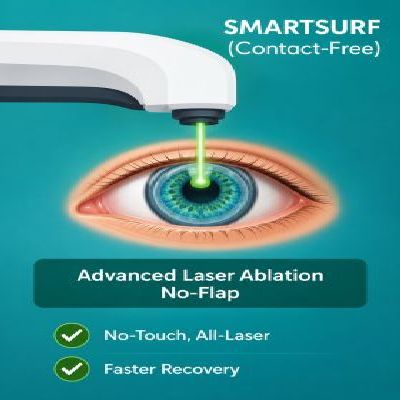
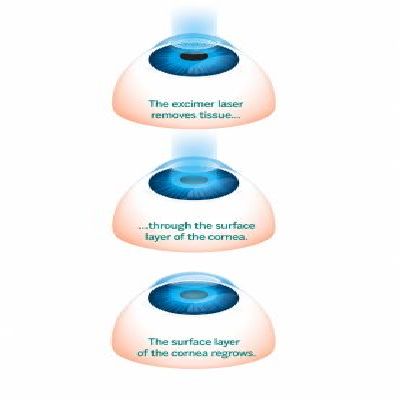
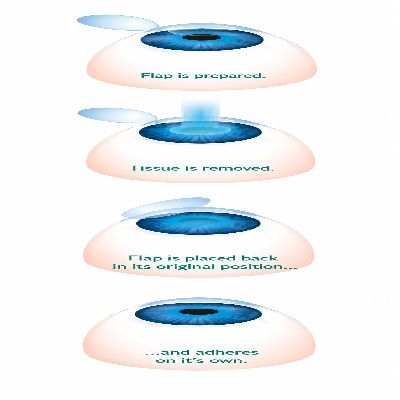
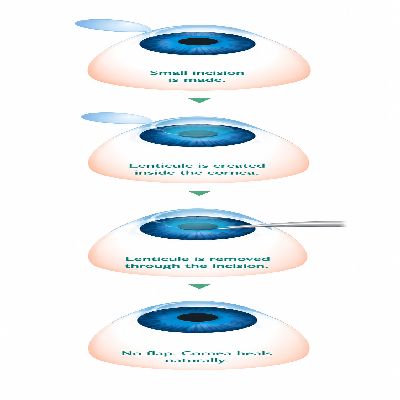
PRK eye surgery is a specialized form of refractive surgery that enhances vision by precisely reshaping the cornea using an excimer laser. Unlike LASIK surgery, which requires the creation of a corneal flap, PRK laser eye surgery involves the careful removal of the cornea’s outer layer, known as the epithelium, allowing the laser to reshape the underlying corneal tissue directly.
This direct approach not only offers effective vision correction but also presents distinct benefits for certain patients. It is beneficial for individuals with thin corneas, as it avoids the complications linked to flap creation. Additionally, photorefractive keratectomy PRK eye surgery is ideal for those who participate in contact sports or lead active lifestyles, as it removes the risk of flap dislodgement, ensuring a safer and more stable outcome. Furthermore, PRK LASIK eye surgery is frequently recommended for patients with corneal irregularities, providing a dependable solution for achieving clearer vision.
While PRK is a safe alternative to LASIK, it is not suitable for everyone. Certain health, age, and eye conditions determine whether the patient is an ideal candidate for PRK Surgery. A good candidate for PRK:
PRK offers several unique advantages, especially for patients who may not be ideal candidates for LASIK. It provides safe, effective, and durable vision correction while preserving corneal health.
Pre-Surgery
The PRK eye surgery procedure starts with a thorough eye examination to assess the patient’s suitability for the procedure. Once confirmed, anesthetic eye drops are applied to the eyes to ensure the patient’s comfort during the surgery.
During Surgery
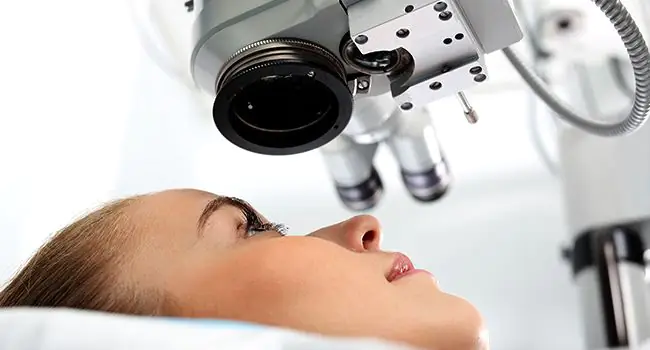
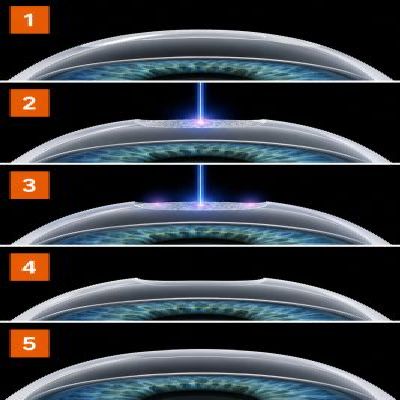
The outer layer of the cornea, known as the epithelium, is gently removed using a blade, alcohol solution, or laser. This step prepares the cornea for the reshaping process. An excimer laser is then used to precisely reshape the corneal tissue, correcting the refractive error. The entire photoreactive keratectomy procedure typically takes about 10 to 15 minutes per eye.
Post-Surgery
After laser treatment, a bandage contact lens is placed over the eye to protect it and support healing. Patients receive specific PRK post-operative care instructions, including the use of prescribed eye drops and guidance to avoid strenuous activities.
Recovery from advanced PRK eye surgery involves an initial period of discomfort lasting a few days as the epithelium begins to heal. During this time, patients are encouraged to rest and avoid any strenuous activities that could strain the eyes. It is crucial to follow the prescribed regimen of eye drops to aid healing and reduce inflammation. Additionally, wearing sunglasses is essential to shield the eyes from harmful UV exposure, which can impede recovery.
Aftercare is crucial for achieving optimal results and involves several key practices. Patients should attend all follow-up appointments to monitor healing progress and address any concerns. Maintaining a healthy lifestyle, including proper hydration and nutrition, can support the body’s natural healing processes. Full visual recovery may take several weeks to months, but most patients notice significant improvements in vision within the first week. It’s important to be patient and follow all aftercare instructions carefully to attain the best possible outcome.
Like any surgical procedure, PRK eye surgery carries some potential risks and side effects. Most are mild and temporary, resolving as the eye heals. Awareness of these helps patients prepare and manage expectations.
The cost of PRK laser eye surgery can vary based on factors such as the surgeon’s experience, the technology used, and the hospital location. At Centre For Sight, we offer competitive pricing and flexible payment plans to make vision correction accessible. The average PRK eye surgery cost in India starts from Rs 25,000 per eye. During your consultation at CFS, we provide a detailed breakdown of the PRK price and review financing options.
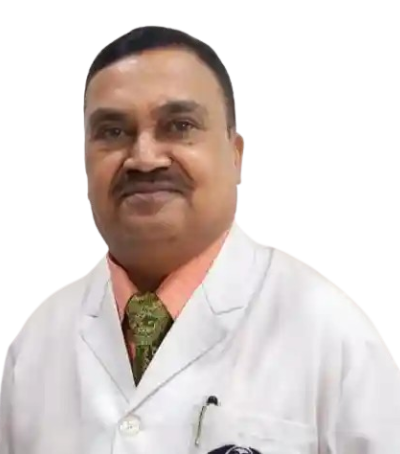
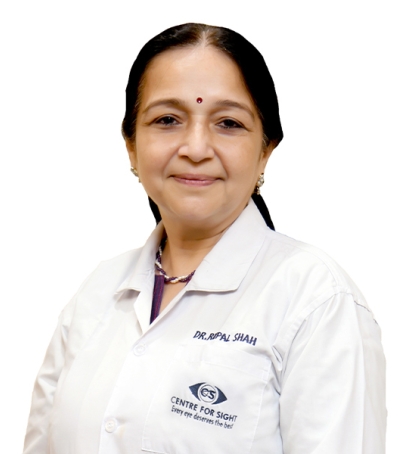
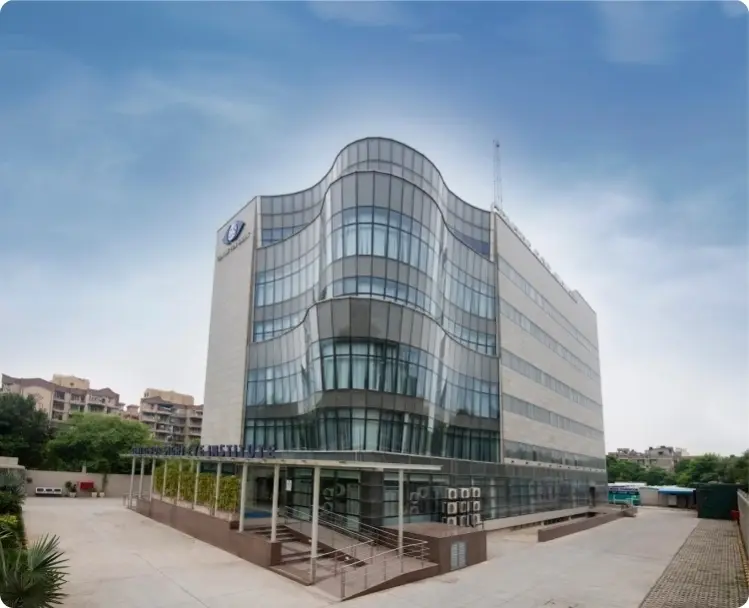
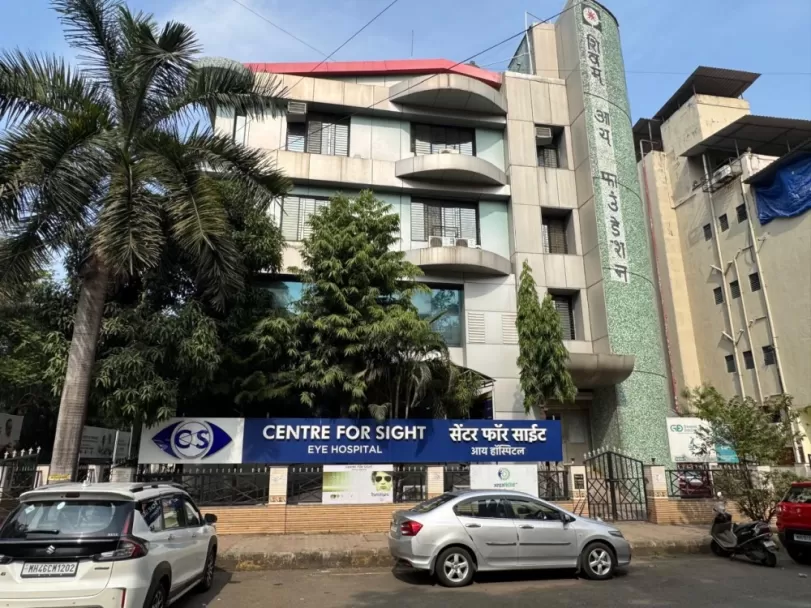
Centre For Sight is a leader in eye care, specialising in advanced PRK eye surgery with a focus on safety, precision, and patient satisfaction. Our skilled ophthalmologists and support staff provide personalized care tailored to each patient’s needs, ensuring the best possible outcomes.
During your consultation, PRK specialists will assess your vision, discuss your goals, and determine if PRK is the right solution for you. Using advanced technology, continuous innovation, and a commitment to excellence, Centre For Sight provides a smooth, effective, and safe vision correction experience for every patient.
Contact us at 011-4250-4250 (Delhi-NCR) or 1800-1200-477 (Rest of India) to book your consultation and take the first step towards a clear, sharp vision.
PRK (Photorefractive Keratectomy) is a laser vision correction procedure that reshapes the cornea to correct refractive errors like myopia, hyperopia, and astigmatism without creating a corneal flap.
Initial healing takes 3–5 days, while full visual recovery can take 2–4 weeks. Most patients resume normal activities within a week, although their vision gradually stabilizes over the course of a month.
PRK is ideal for patients with thin corneas or those at high risk. While LASIK offers faster recovery, PRK avoids flap-related complications, providing a safer long-term option for certain individuals.
PRK corrects refractive errors such as myopia, hyperopia, and astigmatism by reshaping the cornea, improving vision, and reducing dependency on glasses or contact lenses.
The full form of PRK is Photorefractive Keratectomy, a laser procedure designed to correct vision by reshaping the cornea.
PRK is flapless and ideal for thin corneas, while LASIK involves creating a corneal flap for quicker recovery.
Yes, PRK effectively corrects myopia, hyperopia, and astigmatism.
The procedure is painless, but mild discomfort or irritation may occur for a few days post-surgery.
The cost varies based on technology and location. Contact Centre For Sight for exact pricing.The procedure is painless, but mild discomfort or irritation may occur for a few days post-surgery.
Temporary side effects include dry eyes, glare, and halos, which usually improve over time.
No, you should wait at least a week or until your doctor confirms safe vision for driving.