








Cornea Transplant Surgery

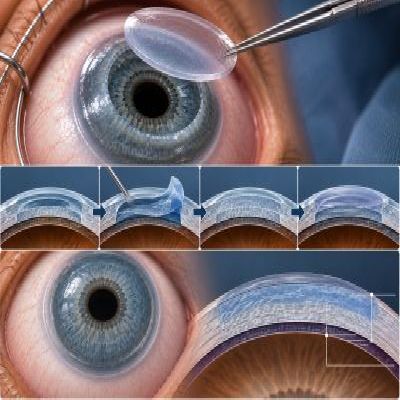
A corneal transplant (keratoplasty) is a surgical procedure in which a surgeon removes diseased or damaged corneal tissue and replaces it with healthy donor cornea.

Because the cornea helps focus light for clear vision, scarring, swelling, thinning, or distortion from disease, injury, or infection can significantly reduce eyesight. 

By replacing the affected part of the cornea, either partially or completely, a corneal transplant can restore clearer vision and improve visual function.

When is a Corneal Transplant Necessary?

A corneal transplant is required when the cornea is damaged or diseased, leading to significant vision loss, pain, or other issues. This surgery is recommended when other non-invasive treatments, such as medications or glasses, have been unsuccessful.

The following conditions are susceptible to needing a corneal transplant:

  1. Keratoconus causing corneal thinning and bulging
  2. Fuchs’ endothelial dystrophy causing corneal swelling and clouding
  3. Infection-born corneal scarring or ulcers
  4. Corneal Edema
  5. Failed prior corneal transplant
  6. Chemical burns or injuries

What Are the Types of Corneal Transplant Surgery?

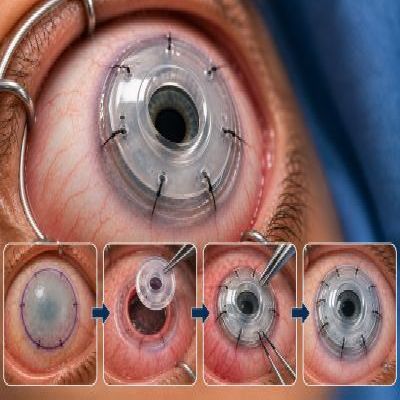
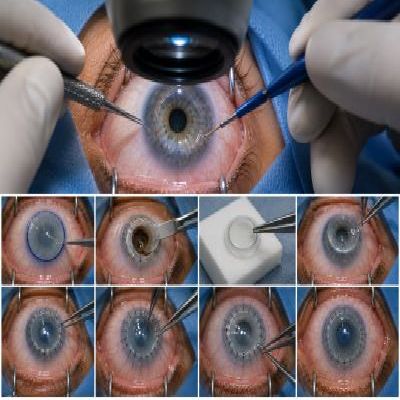
  • Penetrating Keratoplasty (PK): This traditional method involves replacing the entire thickness of the damaged cornea with a donor cornea.
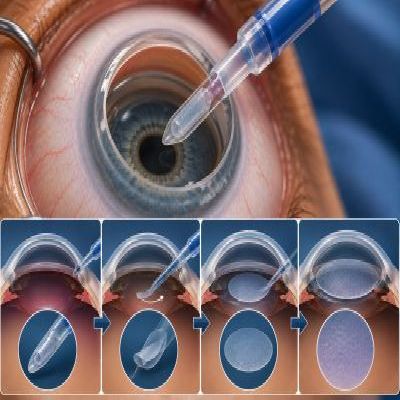
  • Descemet’s Stripping Automated Endothelial Keratoplasty (DSAEK): In this procedure, only the innermost layer of the cornea (endothelium) is replaced, and it is suitable for conditions like Fuchs’ dystrophy.
  • Descemet’s Membrane Endothelial Keratoplasty (DMEK): A more advanced form of endothelial keratoplasty, replacing even thinner layers of the damaged tissue, allowing for faster recovery and fewer complications.
  • Deep Anterior Lamellar Keratoplasty (DALK): This technique involves replacing the outer and middle layers of the cornea while keeping the inner layer intact, often used in cases of keratoconus or superficial scarring.
Each type of corneal transplant has its specific indications, benefits, and recovery expectations, and the choice of procedure will depend on the patient’s condition and the ophthalmologist’s recommendation.

How to Prepare for Cornea Transplant Surgery?

If you have a corneal transplant surgery planned, some preparation can help smoothen the process. Your doctor will guide you regarding the cornea operation, medication, and post-surgery care. Ask questions and prepare accordingly.

Before surgery:

  1. Attend your eye exam
  2. Share medications and health conditions
  3. Follow instructions regarding food/ medication
  4. Arrange transport
  5. Take time off work

What Is the Recovery and Aftercare After Cornea Transplant?

  • Use prescribed eye drops: This helps reduce inflammation and prevents infection.
  • Avoid rubbing or pressing the eye: This helps to prevent damage to the new corneal grafting.
  • Wear protective eyewear: Especially in bright sunlight or during outdoor activities.
  • Follow-up visits: Regular check-ups with the ophthalmologist to monitor the progress.
  • Limit physical activities: Avoid strenuous exercises or activities that could strain the eyes.

Following these aftercare guidelines helps ensure a smooth recovery and reduces the risk of complications, promoting better long-term outcomes for the corneal transplant.

What Are the Risks and Complications of Corneal Transplant?

While cornea transplants have a high success rate, it’s essential for patients to be aware of these risks and to report any unusual symptoms to their eye specialist immediately.

  • Graft rejection: The immune system attacks the transplanted tissue.
  • Infection: Although rare, infections can occur post-surgery.
  • Astigmatism: Irregular curvature of the cornea affecting vision clarity.
  • Increased intraocular pressure: This leads to glaucoma if not appropriately managed.
  • Corneal swelling: Temporary swelling may occur during the healing process.

Remember: Following your doctor’s guidelines and instructions can help you deal with these complications effectively.

What are the Benefits of Cornea Transplant?

  • Restored vision clarity: Improvement in vision for patients with previously blurred or distorted eyesight.
  • Enhanced quality of life: Returning to everyday activities like reading and driving.
  • High success rate: Cornea transplant surgeries are among the most successful organ transplants.
  • Long-lasting results: Most corneal transplants last several years.
  • Reduction in eye discomfort: Relief from pain or discomfort caused by corneal damage.

These benefits make corneal transplants life-changing for individuals suffering from severe vision impairments.

Why Choose Centre For Sight for Cornea Transplant Surgery?

At Centre For Sight, patients undergoing a cornea transplant receive personalised care tailored to their eye health needs. With a team of highly skilled ophthalmologists and access to state-of-the-art technology, the hospital is committed to delivering the necessary outcomes for every patient. The facility focuses on a comprehensive approach to treatment, from diagnosis through recovery, ensuring that patients feel supported at every step.

The cornea transplant cost at Centre For Sight is competitive and affordable, with various financing options available to help patients manage their expenses. With a track record of successful procedures and a focus on compassionate care, the hospital aims to make every patient’s journey to better vision as smooth and effective as possible.

FAQs

How serious is a cornea transplant?

Cornea transplant is a major surgery with risks, but it’s generally safe and can significantly improve vision.

The cost of a cornea transplant varies widely depending on location, healthcare provider, and insurance coverage.

While cornea transplant can significantly improve vision, it doesn’t guarantee a cure for blindness as it depends on the underlying cause of blindness.

Cornea transplant can treat various conditions affecting the cornea, such as keratoconus, corneal scarring, Fuchs’ dystrophy, and others that impair vision.

Yes, a cornea transplant can be rejected by the recipient’s immune system, but the risk can be reduced with anti-rejection medications, such as steroid eye drops.

Full recovery from a cornea transplant can take several months, during which vision gradually improves.

Yes, rejection can occur after a cornea transplant, but it’s less common compared to other organ transplants, and it can often be managed with medications.

Initially, follow-up appointments are frequent to monitor healing and medication effectiveness, gradually becoming less frequent as healing progresses.

Regular eye exams, prompt treatment of eye conditions, and protecting the eyes from injuries can help prevent corneal blindness.

Common symptoms of corneal disease include blurred vision, eye pain, redness, sensitivity to light, and excessive tearing.

A corneal abrasion is a scratch or scrape on the surface of the cornea, often caused by trauma or foreign objects contacting the eye.

Children are prone to corneal abrasions due to activities like rough play, sports, or accidentally rubbing foreign objects against their eyes.

There’s no strict age limit; suitability for corneal transplant is assessed on a case-by-case basis.

There are two main types: full-thickness (penetrating) and partial-thickness (lamellar) cornea transplant surgeries.

Cornea transplant surgery typically takes 1 to 2 hours to complete.

Typically, anti-rejection medications (steroid eye drops) and antibiotics are prescribed to prevent infection and minimize the risk of rejection.

Initially, activities like rubbing the eyes and certain contact sports should be avoided to prevent complications during the healing process.

The cornea is unique due to its transparency and lack of blood vessels, which contribute to its function in refracting light into the eye.

Complications of corneal disease can include vision loss, corneal scarring, corneal ulcers, and in severe cases, blindness.

Wearing protective eyewear during activities, avoiding rubbing the eyes, and promptly treating any eye injuries can help prevent corneal abrasions and scarring.

Cornea Transplant

Cornea Transplant