Oculoplasty, or ophthalmic plastic surgery, is considered safe and highly effective when performed by a trained oculoplastic ophthalmologist. Modern oculoplastic surgery procedures use advanced microsurgical techniques designed to improve safety, precision, recovery, and long-term functional outcomes.
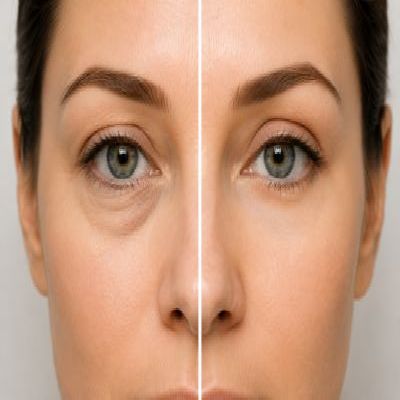
After blepharoplasty surgery, eyelid surgery, or other oculoplastic treatment procedures, patients may temporarily experience swelling, bruising, mild discomfort, watery eyes, dryness, tightness around the eyelids, light sensitivity, or temporary blurred vision during the healing period. These side effects usually improve gradually within days to weeks.
Although uncommon, potential risks associated with oculoplastic surgery eye procedures may include infection, delayed healing, asymmetry, visible scarring, eyelid malposition, persistent dryness, or irritation. Complex orbital and reconstructive oculoplastics surgery may carry additional risks depending on the severity of the condition being treated.
Careful diagnosis, personalised surgical planning, and regular follow-up care help reduce complications and support smoother healing with long-term cosmetic and functional improvement.






























 5 minutes read