Glaucoma Treatment

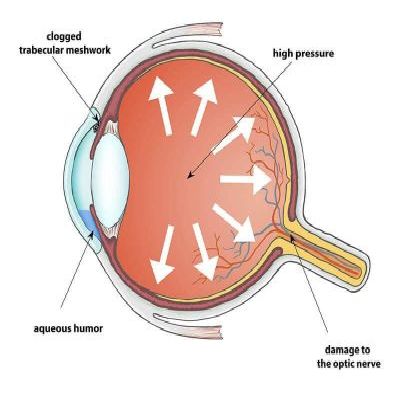
Glaucoma treatment is essential to prevent permanent vision loss caused by damage to the optic nerve, which is often linked to high intraocular pressure (IOP). Common glaucoma symptoms include blurred vision, eye pain, headaches, halos around lights, and gradual loss of peripheral vision.

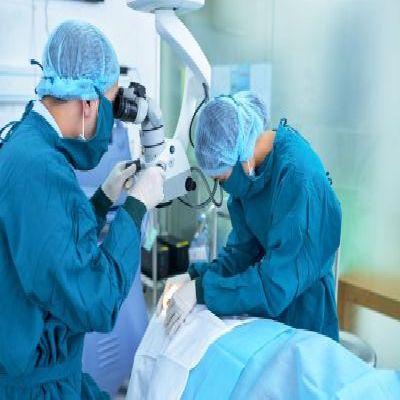
Early diagnosis and timely glaucoma treatment can help preserve eyesight and prevent further optic nerve damage. Depending on the stage of the disease, treatment may include medications, laser therapy, or glaucoma surgery. In advanced cases, glaucoma surgery in India, including trabeculectomy, glaucoma laser surgery, and minimally invasive glaucoma surgery (MIGS), is recommended when eye pressure cannot be controlled with medicines alone.

Signs You May Need Glaucoma Surgery

Your eye doctor may recommend eye surgery for glaucoma when medications or laser treatments fail to control eye pressure.

  • Uncontrolled IOP: If medications and laser therapy fail to control IOP, glaucoma surgery may be necessary.
  • Optic Nerve Damage Progression: Continued optic nerve damage despite glaucoma treatment can indicate a need for surgical intervention.
  • Severe Vision Loss: Rapid or significant vision loss indicates that a glaucoma operation might be needed.
  • Intolerable Side Effects: If glaucoma medications cause adverse side effects that impact quality of life, surgery may offer a better solution.
  • Inability to Follow Medication Regimen: Some patients struggle with adhering to a strict medication schedule and may opt for surgery for long-term relief.

If you witness any of the above-mentioned signs, the next step is to get a proper diagnosis.

Types of Glaucoma

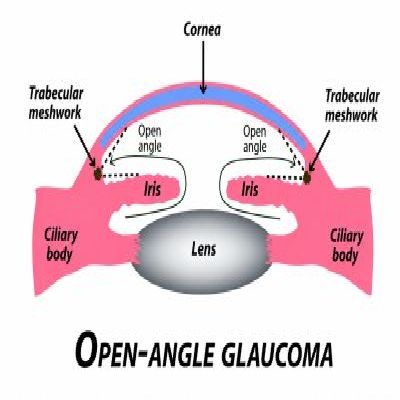
  • Primary Open-Angle Glaucoma (POAG): The most common type and one of the leading causes of glaucoma-related vision loss worldwide.
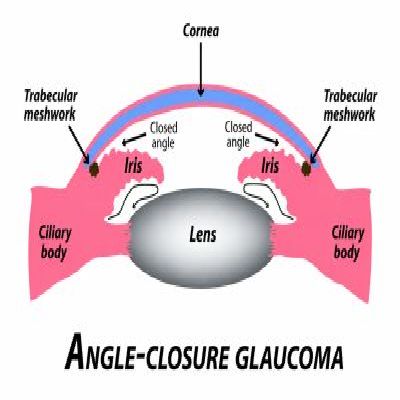
  • Angle-Closure Glaucoma: This condition requires immediate glaucoma treatment to prevent permanent blindness.
  • Normal-Tension Glaucoma (NTG): Optic nerve damage occurs even when IOP levels are normal.
  • Congenital Glaucoma: A rare condition present at birth due to improperly developed drainage channels.Understanding these types helps in determining the right treatment approach.

Glaucoma Diagnosis

A proper diagnosis by a glaucoma specialist involves several tests to detect optic nerve damage and determine the right glaucoma treatment.

  • Comprehensive Eye Exam: The initial step is a thorough eye exam to assess potential nerve damage and measure eye pressure. This may include dilating the pupils for a more detailed examination of any damage.
  • Tonometry: This test measures the intraocular pressure or IOP, which is a significant risk factor for glaucoma. Elevated IOP levels are a primary cause of the condition.
  • Optic Nerve Imaging (OCT): Optical coherence tomography gives detailed images of the optic nerve, showing signs of glaucoma.
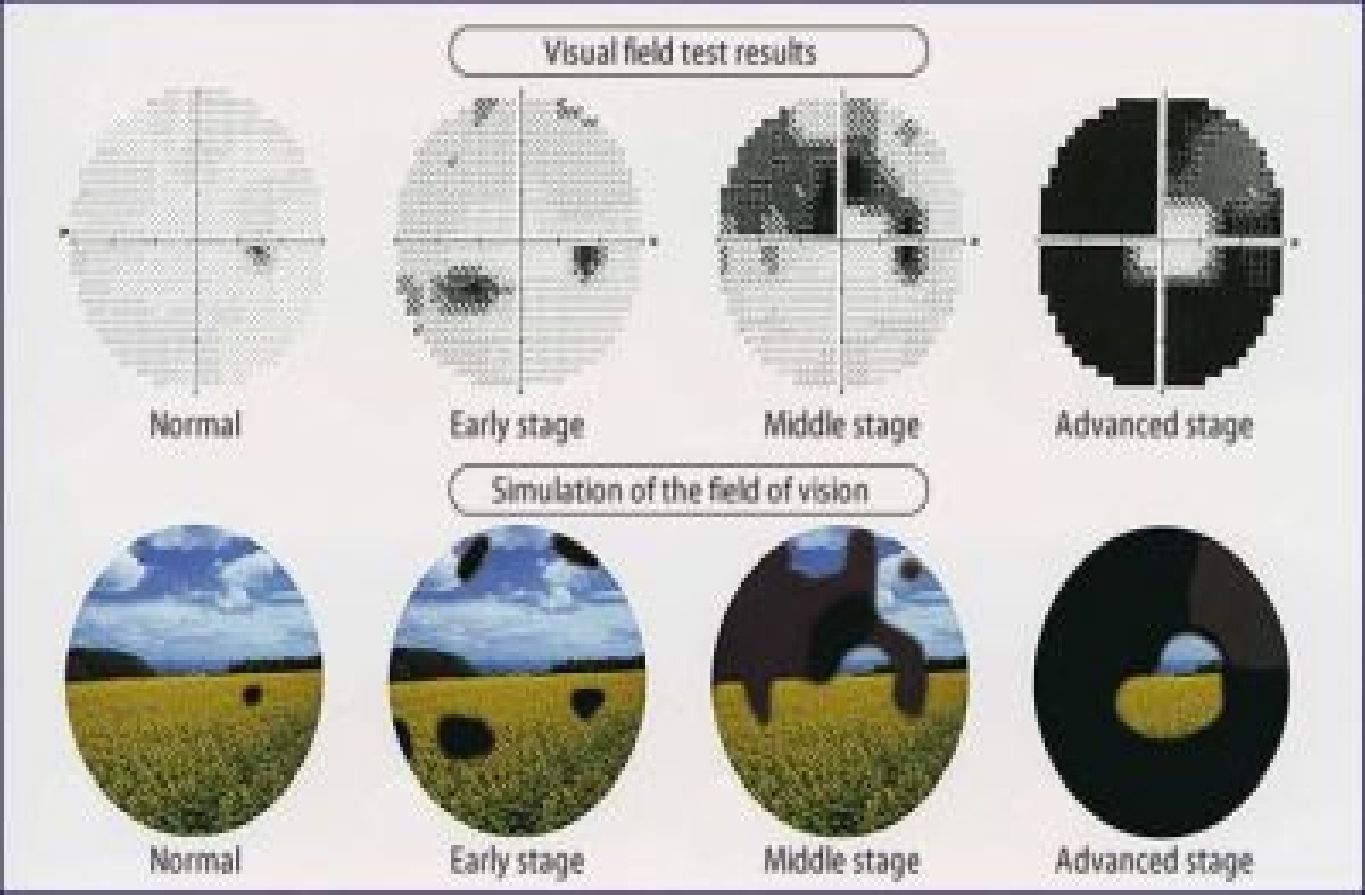
  • Perimetry (Visual Field Test): This test measures peripheral vision loss, often indicating early glaucoma. It is a routine eye exam to diagnose and monitor glaucoma.
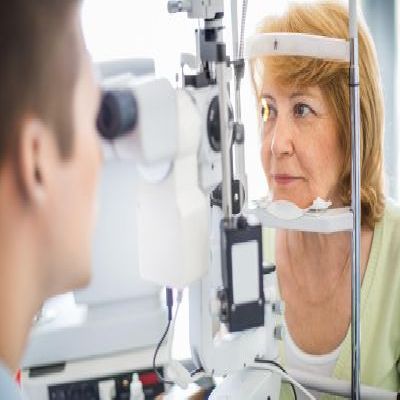
  • Gonioscopy: This is a painless eye test to measure the angle between the iris and cornea. A special lens is used to inspect the eye’s drainage angle, where fluid drains out of the eye.
  • Pachymetry: This test measures corneal thickness, which can affect IOP readings and influence treatment.

Once a diagnosis is made, the next obvious step is to choose the proper glaucoma treatment, given that you are eligible for it.

Who Needs Glaucoma Surgery or a Glaucoma Operation?

  • Uncontrolled IOP: Glaucoma surgery is often recommended for patients whose IOP cannot be managed through medicines or laser treatment.
  • Optic Nerve Damage: Progressive damage to the optic nerve despite treatment, is a critical factor in determining surgical eligibility.
  • Significant Vision Loss: Patients with severe vision impairment may benefit from glaucoma surgery to prevent further loss.
  • Good Health Condition: A patient’s overall health should be stable enough to undergo surgery and manage post-operative care.
  • Commitment to Aftercare: Surgery candidates must be willing to adhere to follow-up appointments and post-surgical care instructions to manage any side effects of glaucoma surgery.

Glaucoma - Can it be Cured?

The answer to “Can glaucoma be cured with surgery?” is that while surgery can help control glaucoma, it is not a permanent cure. It helps lower IOP and prevent further vision loss, but lifelong monitoring is required. Choosing the appropriate treatment depends on the patient’s condition and response to prior therapies. Standard treatment options consist of:

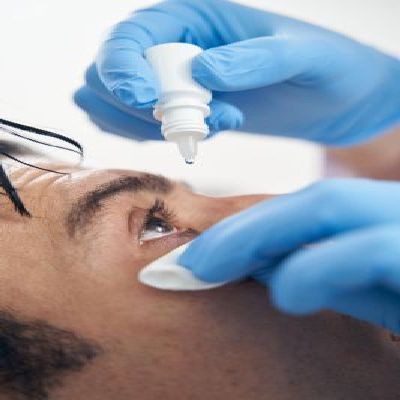
  • Medications: Eye drops or oral medications are usually the first line of treatment. These help lower the aqueous humour production or improve fluid drainage and must be used consistently to control IOP. Eyedrops are the first option for primary open angle glaucoma treatment, but laser treatment or surgery may be offered if drops don’t help.
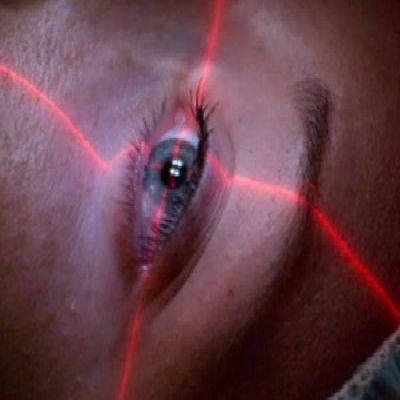
  • Laser Treatment: Laser treatment for glaucoma is a non-invasive procedure that uses laser energy to improve fluid drainage from the eye. Procedures like glaucoma laser surgery or laser trabeculoplasty can effectively lower eye pressure.
  • Minimally Invasive Glaucoma Surgery (MIGS): MIGS involves using tiny stents or implants to enhance the eye’s natural drainage system. These procedures are less invasive than traditional glaucoma operations, with fewer risks and faster recovery times.
  • Trabeculectomy: This is a surgical treatment for glaucoma where a small flap is created in the sclera (the white part of the eye) to allow excess fluid to drain, lowering IOP. This is often considered when other treatments fail.
  • Glaucoma Drainage Implants: These tiny tubes are surgically implanted into the eye to drain fluid and reduce IOP. This option is often used for patients with severe or complex glaucoma.

Choosing the appropriate treatment depends on the patient’s condition and response to prior therapies.

Benefits of Glaucoma Surgery

  • Significant IOP Reduction: Glaucoma surgery can drastically reduce IOP, which helps prevent further optic nerve damage.
  • Reduced Reliance on Medications: Many patients can reduce or eliminate their need for long-term glaucoma medications after surgery.
  • Improved Quality of Life: Controlling IOP can help maintain vision and allow a more active lifestyle.
  • Long-term Control: Procedures like trabeculectomy or MIGS offer long-term IOP management, which can slow or halt glaucoma progression.
  • Minimally Invasive Options: MIGS procedures offer fewer complications and quicker recovery times than traditional surgeries.

Recovery and Aftercare After Glaucoma Surgery

  • Use of Eye Drops: You will be prescribed eye drops to prevent infection and reduce inflammation after surgery.
  • Avoid Strenuous Activities: For several weeks post-surgery, avoid heavy lifting and intense physical activities.
  • Protect the Eye: A shield or protective covering may be used to prevent injury to the eye while it heals.
  • Follow-Up Visits: Attending scheduled follow-up appointments ensures your recovery progresses well and your IOP remains under control.

Risks and Side Effects of Glaucoma Surgery

  • Infection: Any surgery carries a risk of infection, which can lead to complications if not treated promptly.
  • Bleeding: Minor bleeding may occur during or after surgery, leading to temporary visual disturbances.
  • Inflammation: Post-surgery inflammation is common but usually managed with medications.
  • Vision Changes: Some patients may experience temporary or permanent changes in their vision, including blurred or double vision.
  • Cataract Formation: In some cases, surgery may accelerate the formation of cataracts.
  • Low Eye Pressure (Hypotony): Surgery can occasionally lower IOP too much, leading to complications such as hypotony, which can affect vision.

Lifestyle Tips After Glaucoma Treatment

In addition to professional treatment, certain glaucoma home treatments can also help manage it effectively:

  • Regular Exercise: Moderate exercise can help lower eye pressure. Walking, swimming, and cycling are good options but avoid exercises like weightlifting that increase pressure on the eyes.
  • Healthy Diet: A diet rich in antioxidants and omega-3 fatty acids, such as leafy greens, fish, and nuts, supports overall eye health.
  • Caffeine Reduction: Reducing caffeine intake can help avoid short-term spikes in IOP.
  • Consistent Medication: Regularly using prescribed eye drops and medications helps control eye pressure and prevent progression.
  • Eye Protection: Wearing protective eyewear during activities that could lead to eye injury is essential for patients with glaucoma.
  • Stress Management: High stress levels can cause fluctuations in IOP. Incorporating relaxation techniques like yoga or meditation may help maintain stable pressure.

Glaucoma Surgery Cost in India

The glaucoma surgery cost in India depends on the type of procedure recommended, hospital infrastructure, surgeon expertise, and your eye condition. The overall glaucoma surgery cost may vary for laser procedures, MIGS, or traditional glaucoma surgeries. Consult a glaucoma specialist for a personalised treatment estimate.

Why Choose Centre for Sight for Glaucoma Treatment in India?

Centre for Sight, India offers comprehensive eye care focusing on early detection and specialised treatment for glaucoma. Our team of experienced glaucoma specialists is equipped with the latest technology and aptly knows how to diagnose glaucoma in its early stages. We provide a wide range of treatment options, including laser treatments for glaucoma, MIGS, and traditional glaucoma surgeries.

Frequently Asked Questions

What are the first signs that glaucoma Is developing?

The first signs that glaucoma is developing may include gradual loss of peripheral vision, increased intraocular pressure, blurred vision, and seeing halos around lights.

Glaucoma surgery is serious but can be effective in managing the condition and preventing vision loss.

Even after surgery, some patients may still need to use glaucoma medications to control eye pressure.

Alternative treatments to glaucoma surgery may include medications, laser therapy, or other non-invasive procedures.

Glaucoma cannot be completely cured, but it can be managed effectively with proper treatment and monitoring.

To alleviate eye pressure, patients can try techniques like blinking frequently, practicing relaxation exercises, and using prescribed medications as directed.

Glaucoma medications may produce side effects such as eye irritation/redness, blurred vision, and systemic effects like fatigue or headache.

Glaucoma medication use during pregnancy should be carefully monitored by a healthcare provider to minimize potential risks to the baby.

Prolonged use of computers or mobile devices may strain the eyes but is not directly linked to worsening glaucoma or increasing eye pressure. However, taking regular breaks and practicing good eye hygiene is recommended for overall eye health.

Yes, glaucoma can cause blindness if left untreated. It damages the optic nerve, often due to increased intraocular pressure, which can gradually lead to vision loss. Early detection and appropriate treatment, such as medications, laser therapies, or surgery, are essential to prevent vision loss.

The cost of a glaucoma test can vary depending on the location and the specific tests performed. Additional specialised tests like Optical Coherence Tomography (OCT) or pachymetry may incur additional costs.

Glaucoma is usually caused by increased intraocular pressure due to improper drainage of eye fluid, leading to optic nerve damage. Other factors include genetics, age, and certain medical conditions.

Surgery for glaucoma is generally successful in lowering intraocular pressure and preventing further vision loss, mainly when performed early. However, success rates vary depending on the type of surgery and the individual patient’s condition.

Yes, surgery for glaucoma is considered safe, but like any surgery, it carries some risks, such as infection, inflammation, or vision changes. However, most patients experience positive outcomes with proper aftercare.

Glaucoma treatment can be successful in slowing down the progression of the disease and preserving vision when detected early and managed effectively.

With proper treatment and management, many people with glaucoma can lead normal lives.

Different types of glaucoma surgery include trabeculectomy, minimally invasive glaucoma surgery (MIGS), glaucoma drainage implants, and laser trabeculoplasty.

Glaucoma surgery can be effective in lowering eye pressure, but the degree of effectiveness varies among individuals.

Glaucoma patients should avoid activities that increase intraocular pressure, such as heavy lifting or straining, as well as smoking and excessive caffeine intake.

Heavy exercises like weightlifting or postures with head down can potentially increase intraocular/eye pressure.

While rare, glaucoma can occur in babies, often as a result of congenital abnormalities or genetic factors.

No, glaucoma cannot be cured by laser treatment. However, laser treatments can help lower intraocular pressure (IOP) and manage the condition effectively.

Glaucoma Surgery in India

Glaucoma Treatment