How to Cure Dry Eyes Permanently?
- By Centre For Sight
- 9 minutes
|
Key Takeaways:
|
?How to cure dry eyes permanently?? is a question many people ask as screens, AC rooms, and long working hours make eyes feel gritty, tired, and sore. Short-term dry eye treatment with drops can help for a while, but lasting comfort needs a mix of lifestyle changes, home remedies, and medical care.?
In this blog, you'll understand what causes dry eyes, how to cure eye dryness naturally and with clinic-based treatments, and what you can do every day to protect your eyes for the long term.
What is Dry Eye?
Dry eye happens when your eyes don't have enough tears, or the tears you make are not of good enough quality to keep the surface smooth and comfortable. The tear film normally has three layers (oil, water, and mucus) that work together to keep your eyes moist, clear, and protected from dust and germs. When any of these layers are out of balance, the eye surface dries out and becomes irritated.
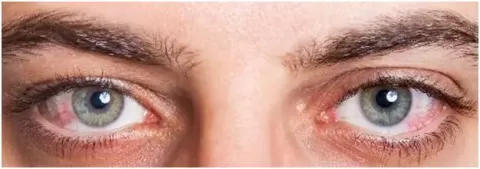
People with dry eyes describe burning, scratching, stinging, or a ?sand in the eye? feeling, along with redness, blurred or fluctuating vision, and tired eyes, especially after screen use. Understanding what is dry eye is the first step; long-term comfort comes not from a single dry eye cure, but from an ongoing plan that suits your lifestyle, health, and eye surface.
Diagnosis of Dry Eye
Doctors diagnose dry eye syndrome through a detailed discussion and a careful eye examination. All this helps your doctor understand how severe your dry eye is, what type you have (mostly low tears, mostly poor-quality tears, or a mix), and which dry eye treatment options are most likely to help you in the long run.
They ask about your symptoms, screen time, work environment, sleep, medicines, and other health issues like arthritis, thyroid disease, or hormonal changes that can affect tear production. In the clinic, they:
- Look at the front of your eyes with a slit-lamp microscope to see how smooth and moist the surface is.
- Use special dyes to see dry patches and measure how quickly your tears break up.
- Place tiny paper strips at the edge of your eye to check how many tears you produce.
- Examine your eyelids and oil glands to see if they are blocked or inflamed.
Dry Eye Treatment
When people ask how to cure dry eyes permanently, the honest answer is that dry eye is a long-term condition, but with the right plan, most people can feel much more comfortable most of the time.?
Effective dry eye treatment combines three things:
- Changing habits that strain the eyes (like long, uninterrupted screen time)
- Supporting the tear film with dry eyes remedy options at home
- Using medical dry eye syndrome treatment to treat inflammation, blocked glands, or underlying diseases
Instead of thinking about a one-time dry eyes cure, it helps to think about a routine, similar to skincare, where daily care, regular check-ups, and timely medical treatment work together to keep your eyes comfortable.
Home Remedies for Dry Eyes
If you are wondering how to cure dry eyes naturally, simple, consistent habits can make a big difference, especially in mild to moderate disease. Some helpful home remedies for dry eyes include:
- Blinking more and taking screen breaks: Follow the 20-20-20 rule: every 20 minutes, look 20 feet away for 20 seconds to reset your blink and spread fresh tears.
- Hydration: Drink enough water through the day; dehydration can worsen eye dryness for some people.
- Warm compresses: Place a clean, warm (not hot) cloth over closed eyelids for a few minutes to loosen oils in the glands and improve tear quality.
- Lid hygiene: Gently cleaning the eyelid margins with recommended wipes or diluted cleanser helps keep oil glands open and reduces inflammation.
- Omega-3 rich diet: Including foods like flaxseeds, walnuts, and fatty fish support healthier tears for some people; ask your doctor before starting supplements.
- Protective eyewear: Wraparound glasses or sunglasses block wind and air conditioning, which slow down tear evaporation.
- Humidifier: Using a humidifier in very dry rooms can reduce evaporation and ease eye conjunctivitis-like irritation from dryness.
|
Note: If you are exploring how to cure dry eyes at home, keep in mind that unproven DIY remedies, especially putting oils, herbal liquids, or unsterile solutions directly into the eye, can be very risky. Always run your ideas past your eye doctor first. |
Medical Dry Eye Treatment
When home measures are not enough, medical dry eye treatment helps control inflammation, improve tear quality, and protect the eye surface. Seeing a specialist is key if you want to know how to cure eye dryness in your particular case; they can fine-tune the mix of drops, procedures, and follow-up you need.
Depending on your test results, your doctor will suggest:
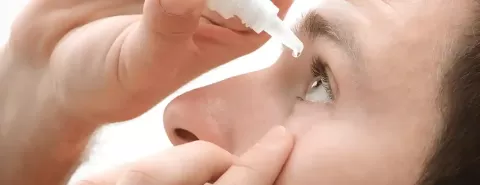
- Lubricating eye drops and gels (artificial tears): The base for most dry eye treatment, used regularly to keep the surface moist; thicker gels or ointments are advised at bedtime.
- Anti-inflammatory drops: Prescription drops (like cyclosporine, lifitegrast, or short courses of mild steroids) can calm surface inflammation and help the eyes make better-quality tears over time.
- Allergy or anti-histamine drops: If allergy and dry eye overlap, treating allergy can reduce itching and rubbing, which worsen dryness.
- Punctal plugs: Tiny, removable plugs placed in the tear drainage openings to keep tears on the surface for longer, useful in some dry eyes cure plans.
- Treating lid and gland problems: Medicines, lid wipes, and in some cases antibiotics can help when inflamed eyelid margins or blocked oil glands are driving dryness.
- Managing systemic disease: In autoimmune or hormonal conditions, working with your physician or rheumatologist is vital, as deeper health control supports better eye comfort.
Alternative Dry Eye Treatment
Beyond standard drops and medicines, there are advanced and ?adjunct? options that can be part of dry eye syndrome treatment in selected patients:
- Special contact lenses: Scleral or moisture-chamber lenses create a smooth, fluid-filled layer over the eye surface, protecting it and giving relief in severe dry eyes.
- In-office gland treatments: Procedures that use controlled heat and massage to melt and express thickened oils from blocked glands, improving the oily layer of tears.
- Light-based therapies (like IPL): Certain clinics use gentle pulses of light to reduce eyelid inflammation and improve oil gland function in carefully chosen patients.
- Some people also ask about Ayurvedic or other traditional approaches for how to cure dry eyes permanently.?
Herbal supplements, ghee-based practices, or medicated eye washes are sometimes promoted, but scientific evidence is limited, and putting non-sterile products directly in the eye can be unsafe.?
If you are interested in Ayurveda, it's safest to:
- Discuss it with both your eye doctor and a qualified Ayurvedic practitioner
- Avoid applying any homemade or non-sterile liquid directly into the eyes
- Use Ayurvedic remedies mainly as supportive lifestyle measures (diet, general wellness), not as a replacement for proven medical care.
Conclusion
In real life, how to cure dry eyes permanently usually means building a long-term plan that keeps your eyes as comfortable as possible, rather than a one-time fix. A mix of lifestyle changes, smart home remedies for dry eyes, and tailored medical care can calm symptoms, protect the eye surface, and reduce how often flare-ups happen.?
The best dry eye treatment is the one that matches your cause, severity, and daily routine, and is reviewed regularly with your eye specialist. If your eyes feel dry, gritty, or tired, don't ignore it, getting a proper diagnosis is the first and most important step towards long-lasting relief.
FAQs
What is the permanent solution for dry eyes?
There is no permanent solution for dry eyes, but a long-term plan that combines lifestyle changes, regular lubricating drops, treatment of lid or gland problems, and medical dry eye treatment tailored to your cause and severity.
What is the best way to deal with dry eyes?
The best way to deal with dry eyes is to address both daily habits and medical needs. You should take screen breaks, use lubricating drops, protect your eyes from wind and AC, treat underlying diseases, and follow your doctor's advice on dry eye syndrome treatment.
How is dry eye diagnosed?
Dry eyes are diagnosed with a detailed history, an eye exam at the slit-lamp, and simple tests that measure how many tears you make, how quickly they evaporate, and how healthy your eye surface and oil glands are.
What are the ayurvedic remedies for dry eyes?
The ayurvedic remedies for dry eyes include general advice on diet, stress reduction, and whole-body balance, but you should be cautious about putting any herbal or oil-based products directly into the eye and always discuss such approaches with your eye doctor first.
What is the most natural and fastest remedy for dry eyes?
The most natural and fastest remedy for dry eyes involves steps like frequent blinking, warm compresses, lid hygiene, using a humidifier, and taking regular screen breaks, but even ?natural? measures should be combined with proper medical care if symptoms are moderate or severe.
How common is dry eye disease?
Dry eye disease is very common worldwide, especially in people who spend long hours on digital devices, in air-conditioned rooms, wear contact lenses, are over 40, or have health conditions that affect tear production.
How to cure dry eyes forever?
Curing dry eyes forever is rarely possible in the strict sense. However, many people can keep symptoms very mild and manageable for years with proper care. If you're wondering how to fix dry eyes, the key is consistent dry eye treatment, healthy lifestyle changes, and regular eye check-ups. These steps help improve tear quality, reduce irritation, and prevent symptoms from getting worse over time.
What home remedies work for dry eyes?
Home remedies for dry eyes include warm compresses, lid cleaning, better blinking habits, hydration, omega-3 rich foods, using a humidifier, and protecting your eyes from wind and dust, all of which can support tear quality and comfort.
What is a dry eye, anyway?
Dry eye is a condition where your eyes don't have enough good-quality tears to stay lubricated and protected, causing burning, redness, grittiness, and sometimes blurred or fluctuating vision.
How do I attempt home remedies safely for dry eyes?
You can practice home remedies safely for dry eyes by sticking to proven, gentle steps like warm compresses, lid hygiene, and humidification, avoiding any unsterile liquids or oils directly in the eye, and checking with an eye doctor if your symptoms are strong, persistent, or getting worse.


Could not find what you are looking for?


