Cataract Surgery - How to Choose the Best Eye Care Center?
- By Centre For Sight
- 6 minutes
Blog Summary
- Cataract is the leading cause of preventable blindness in India, yet timely surgery can restore clear vision safely and effectively.
- Cataracts cannot be treated with medication, eye drops, or lifestyle change, surgery is the only proven treatment.
- Modern cataract surgery in India includes advanced options such as phacoemulsification, laser-assisted, and robotic-assisted procedures, offering faster recovery and improved outcomes.
- Choosing the best hospital for cataract surgery requires evaluating surgeon expertise, technology, safety standards, and post-operative care.
- A well-equipped cataract surgery hospital with experienced specialists and NABH-accredited protocols significantly reduces surgical risk.
- Multi-location networks provide consistency, accessibility, and continuity, making follow-up care easier for patients searching for a cataract surgery clinic near me.
- Selecting an experienced cataract surgeon in India plays a critical role in achieving long-term visual clarity and patient satisfaction.
Did you know that cataract is the leading cause of preventable blindness in more than 66% of cases in India? Cataract ? a condition in which the natural lens of one or both eyes becomes cloudy ? develops gradually, often without pain, but steadily interferes with vision. Left untreated, it can significantly affect daily activities such as reading, driving, recognising faces, and maintaining independence.
Despite being fully treatable, cataract continues to account for the largest share of blindness in India. Medical experts attribute this largely to delayed diagnosis, misconceptions about treatment, and hesitation around surgery. Recent reports highlight that many patients postpone cataract surgery due to myths such as cataracts only affect the very elderly or the belief that eye drops, diet, or exercises can cure the condition. In reality, surgery remains the only scientifically proven treatment for cataract.
This makes one decision critically important: choosing the right eye care centre or cataract surgery hospital with proven expertise, advanced technology, and reliable post-operative care.
What is a Cataract?
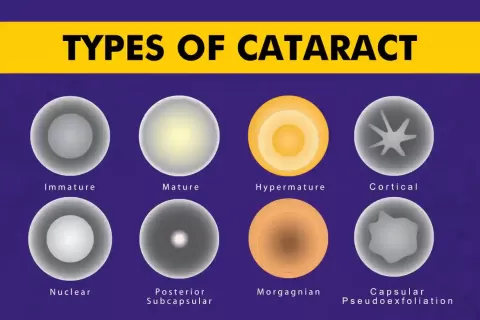
In a healthy eye, the natural lens is clear and helps focus light sharply onto the retina. A cataract develops when proteins within the lens begin to break down and clump together, causing cloudiness. As this opacity increases, light cannot pass through clearly, resulting in blurred or dim vision. Cataracts may affect one or both eyes, though they do not spread from one eye to the other. The progression is usually slow, which is why many people underestimate its impact until vision loss becomes pronounced.
What Causes Cataract?
While ageing remains the most common cause of cataract, it is far from the only one. There are a number of issues that can lead to the formation of cataracts in eyes. Key risk factors include:
- Ageing: Natural lens changes over time
- Diabetes: Elevated blood sugar accelerates lens clouding
- Prolonged steroid use: Oral or topical steroids can sometimes lead to cataract
- Excessive UV exposure: Long-term sunlight exposure without eye protection can cause cataract
- Eye injury or trauma: Even injuries from years earlier can lead to cataract formation
- Congenital or childhood cataracts: Though it is a rare cause but can affect children
Contrary to popular belief, cataracts are not limited to the elderly. Younger adults and even children can develop cataracts under certain conditions, a misconception that often delays timely treatment.?
When Does Cataract Require Surgery?
It is a common misconception that cataracts can be treated or reversed through medication, eye drops, or lifestyle changes. In reality, once a cataract develops, surgery is the only effective treatment. Cataract surgery is recommended when vision loss begins to interfere with daily activities, such as reading, driving, working, or moving around safely.
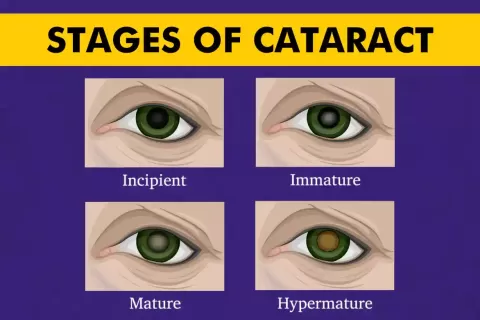
Another widely held myth is that cataracts must ?mature? before they can be operated on. Modern ophthalmology no longer follows this approach. Early intervention is both safe and effective, and in many cases results in better visual clarity, fewer complications, and quicker recovery, especially when advanced surgical techniques are used.
Types of Cataract Surgery: Modern Options Available in India
Cataract surgery is among the most commonly performed and successful surgical procedures worldwide. In India, patients today have access to highly advanced techniques, from phacoemulsification to laser options.?
Conventional Phacoemulsification Surgery
This surgical method uses ultrasonic energy to break the cloudy lens into tiny fragments, which are then removed and replaced with an artificial intraocular lens (IOL). It is safe, effective, and offers quick recovery.
Laser-Assisted (Femtosecond) Cataract Surgery
Also known as bladeless cataract surgery, this technique uses laser precision for key surgical steps. Benefits of femtosecond surgery include:
- Greater accuracy
- Reduced dependence on manual instruments
- Enhanced outcomes in selected cases
- Option for astigmatism correction during surgery
- Robotic-Assisted Cataract Surgery
Robotic guidance further enhances consistency and precision, particularly beneficial in complex or premium lens cases. While all these methods are effective, the best approach depends on individual eye health, lifestyle needs, and surgeon expertise.
How to Choose the Best Eye Care Centre for Cataract Surgery in India?
Choosing the right eye care centre is one of the most important decisions a cataract patient will make. Identifying the best hospital for cataract surgery involves looking beyond cost to assess clinical expertise, technology, safety standards, and long-term care. The following factors are critical when evaluating an eye hospital for cataract surgery:
- Experience and specialisation of cataract surgeons: Opt for centres where ophthalmologists specialise in cataract and refractive surgery and are recognised as experienced cataract surgeon in India, particularly for complex or high-risk cases.
- Advanced technology and clinical infrastructure: A well-equipped eye care centre invests in modern diagnostic systems, femtosecond laser platforms, and advanced operating theatres. These technologies enhance accuracy, reduce dependence on manual techniques, and improve safety, especially in complex or premium cataract procedures.
- Comprehensive range of intraocular lens (IOL) options: Quality cataract care goes beyond removing the cloudy lens. Reputed centres offer a full spectrum of IOL choices, including monofocal, multifocal and premium lifestyle lenses.?
- Safety standards, protocols, and accreditations: Accreditations such as NABH (National Accreditation Board for Hospitals & Healthcare Providers) reflect strict adherence to clinical governance, infection control, and patient safety protocols. These standards significantly reduce surgical risks and are particularly important for elderly patients and those with systemic health conditions.
- Post-operative care and long-term follow-up: Cataract surgery does not end in the operating theatre. Structured follow-up, recovery monitoring, and patient education are essential for optimal healing and visual stability.
Together, these factors help distinguish a truly high-quality eye care centre, one that prioritises patient safety, visual clarity, and lasting results over short-term considerations.
Why Centre for Sight Is the Right Choice for Cataract Surgery?
When choosing an eye hospital, convenience and accessibility matter, but consistency of care matters even more. This is where established, multi-location eye care networks offer a clear advantage. Patients benefit from standardised clinical protocols, uniform quality benchmarks, and the ability to access follow-up care closer to home without compromising on treatment standards. For many patients searching for a reliable cataract surgery clinic near me, accessibility combined with consistent care standards becomes a decisive factor in choosing the right hospital.
Established in 1996, Centre for Sight is recognised for its focused approach to specialised ophthalmology and its emphasis on technology-led, doctor-driven care. The network follows consistent clinical practices across locations, supported by advanced diagnostic and surgical infrastructure. From comprehensive cataract evaluation and access to modern surgical techniques to structured post-operative monitoring, Centre for Sight prioritises safety, precision, and long-term visual outcomes.
This combination of accessibility, standardisation, and clinical depth makes Centre for Sight a dependable choice for patients seeking cataract care that is not only convenient, but also consistently high in quality across cities.
Frequently Asked Questions
Is cataract surgery safe in India?
Can cataracts be cured without surgery?
How long does cataract surgery take?
Is cataract surgery painful?
How long does an artificial lens last?

Could not find what you are looking for?


