Glaucoma is often called the “silent thief of sight” because it can slowly damage vision without showing obvious warning signs in the early stages. Many people in India still believe in common glaucoma facts and myths without understanding how serious this eye disease can become if left untreated. In this blog, you will learn 5 essential and accurate facts about glaucoma, along with expert-backed tips to protect your eyesight.
What Is Glaucoma and Why Is It So Dangerous?
Before understanding the major glaucoma facts, it is important to know what glaucoma actually is. Glaucoma is a group of eye diseases that damage the optic nerve, the part of the eye responsible for carrying visual signals to the brain. This damage is commonly linked to increased pressure inside the eye, also called intraocular pressure.
As per studies, one of the most alarming interesting facts about glaucoma is that nearly 90% of glaucoma cases in India remain undiagnosed until significant vision loss has already occurred.
Unlike cataracts, glaucoma-related vision loss cannot be reversed. This is why awareness about glaucoma facts and myths becomes extremely important. Here are 5 important facts you should know.
1. Glaucoma Steals Your Sight and Destroys the Messenger First
Most people think of glaucoma as an "eye pressure problem," but the real damage happens deeper. At the heart of every glaucoma case is the optic nerve, a bundle of over 1 million nerve fibres that acts as a live cable between your eye and your brain. When intraocular pressure (IOP) builds up due to poor fluid drainage in the eye, it compresses this nerve. Once those fibres die, no surgery or medicine can bring them back.
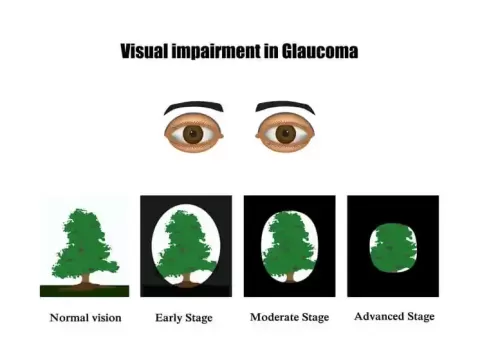
Think of it this way: your eye may be capturing a perfect image, but if the optic nerve is damaged, that image never reaches your brain. This is why partial or tunnel vision is often the first noticeable symptom, and by then, significant, permanent damage has already occurred.
Significant optic nerve damage can occur before a person notices changes in their vision, particularly in the early stages of glaucoma. That is not a slow decline; that is a silent collapse.
2. Anyone Can Develop Glaucoma, Not Just Older Adults
One of the myths doing the rounds in households is that glaucoma is an "old person's disease." This is dangerously false.
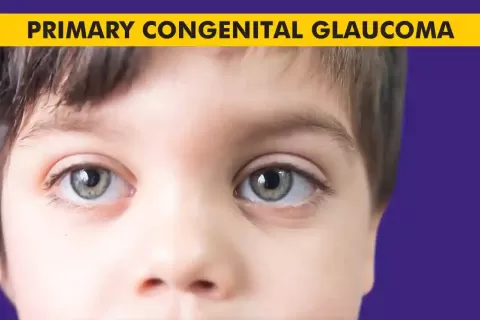
Yes, the risk does increase significantly after age 40, and people over 60 are at even higher risk. But glaucoma does not check your age before striking. Congenital glaucoma affects newborns and infants. Juvenile open-angle glaucoma can affect teenagers and young adults in their 20s and 30s.
A family history of glaucoma, particularly in a first-degree relative such as a parent or sibling, significantly increases the risk of developing glaucoma. Other high-risk groups include:
- African Americans above 40 years (a globally recognised high-risk group)
- People of Indian origin
- People with high myopia (nearsightedness)
- People on long-term steroid medications
If you or anyone in your family falls into these groups, waiting for symptoms is not an option.
3. Glaucoma Often Shows No Symptoms Until Vision Loss Begins
This is arguably the most important of all facts about glaucoma that everyone needs to understand.
In the most common form, Primary Open Angle Glaucoma (POAG), there is no pain, no redness, no blurred vision in the early stages. The fluid builds up gradually, pressure rises silently, and the optic nerve erodes quietly. Most patients are diagnosed at a moderate-to-advanced stage simply because they had no reason to visit an eye doctor earlier.
The best way to detect glaucoma early is through a comprehensive eye examination that may include eye-pressure measurement, optic nerve evaluation, visual-field testing, OCT, and other tests based on individual risk factors. During this test, the doctor uses eye drops to dilate the pupil, examines the optic nerve directly, measures intraocular pressure, and maps your visual field. The entire process takes under 30 minutes and can quite literally save your vision.
4. Regular Eye Checkups are the Best Defence Against Glaucoma
This one holds the most hope: glaucoma-related blindness is largely preventable if caught early.
Unlike many other eye conditions, glaucoma cannot be reversed, but it can absolutely be slowed down or halted with timely intervention. The damage already done cannot be undone, but future damage can be prevented. This is a critical distinction.
In India, however, the average gap between the onset of glaucoma and diagnosis is still alarmingly wide. Cities like Mumbai, Delhi, and Bengaluru have better screening infrastructure, but rural areas remain severely underserved. Initiatives like the National Programme for Control of Blindness and Visual Impairment (NPCBVI) by the Government of India have included glaucoma in their screening mandate, but awareness at the ground level remains low.
Who should get screened and how often?
- People aged 40 and above: Should have a baseline comprehensive eye examination, with the frequency of follow-up determined by their age, family history, and other glaucoma risk factors.
- People at higher risk: May require more frequent examinations as advised by their ophthalmologist.
- Anyone on long-term steroid medications: Immediate evaluation followed by regular monitoring.
If you have been putting off your eye check-up, consider this your reminder.
5. Glaucoma Treatment Is Lifelong, But It Works When You Stay Consistent
The final entry on our list of essential glaucoma facts is one that patients often find difficult to accept: there is no cure for glaucoma, but it is very manageable with consistent treatment.
Depending on the type and severity of glaucoma, treatment options include:
- Prescription eye drops: The most common first-line treatment. Some reduce fluid production in the eye; others improve drainage. They must be used daily, without fail, for life.
- Oral medications: Used when eye drops alone are insufficient to control eye pressure.
- Laser therapy (SLT or ALT): A non-invasive option that improves fluid outflow and can reduce dependence on drops.
- Surgical procedures: Procedures such as trabeculectomy or minimally invasive glaucoma surgery (MIGS), recommended in advanced cases or when other treatments are insufficient.
The biggest challenge is treatment adherence. Many patients discontinue eye drops once their pressure normalises, not realising that the drops are what is keeping the pressure under control. Stopping treatment without a doctor's advice is one of the most common reasons glaucoma progresses to blindness.
Conclusion
Knowing some glaucoma facts will help you preserve your vision before it is permanently damaged by the condition. Glaucoma can be asymptomatic, but a correct diagnosis and proper treatment can prevent blindness.
The most critical fact is that eye check-ups are essential to preserving your vision. Not taking symptoms seriously, neglecting check-ups, or even being misled by certain facts about glaucoma can cause permanent blindness.
Familiarizing yourself with the true facts and myths surrounding glaucoma can enable you to make wise decisions regarding your vision. If you are over 40 years old, if you have diabetes, or if glaucoma runs in your family, getting an eye check-up is one of the wisest things you can do.
Frequently Asked Questions (FAQs)
Glaucoma is a group of eye diseases that cause progressive damage to the optic nerve and can lead to irreversible vision loss. Elevated intraocular pressure is an important risk factor, but glaucoma can also occur when eye pressure is within the normal range.
No, glaucoma cannot be cured completely. But it can be managed such that further damage can be prevented.
One can detect glaucoma with a few symptoms, such as blurring of vision, eye pain, and loss of peripheral vision that are observed later. However, most types of glaucoma have no early symptoms.
People who are more vulnerable to glaucoma are above 40 years, diabetes patients, steroid takers, and those with a history of glaucoma in their family.
Yes, glaucoma is hereditary. If a parent, sibling, or close blood relative has been diagnosed with glaucoma, your risk is significantly elevated, especially for siblings, whose risk can be up to 9 times higher. You should start regular eye screenings from the age of 35, or earlier if recommended by your eye doctor.
Glaucoma is diagnosed using eye pressure tests, optic nerve tests, visual field tests, and OCT.
Yes, regular eye checks can help prevent blindness due to glaucoma.