Can Cataracts Cause Blindness? Signs and Treatment
- By Centre For Sight
- 6 minutes
Key Takeaways:
|
Cataracts are a common eye condition that primarily affects older adults, leading to a gradual decline in vision quality. Despite being prevalent, many people are unaware of the potential severity of cataracts and how they can impact daily life.
In this blog, we explore the intricacies of cataracts, including cataract development, symptoms, available cataract treatments, and practical advice for living with it.?
Understanding Cataracts: What Are They?
Cataracts occur when the lens of the eye becomes cloudy, leading to a decrease in vision. This cloudiness is caused by the clumping of proteins within the lens, which can scatter light and reduce the clarity of what you see.
While cataracts are often associated with aging, they can also result from other factors such as diabetes, smoking, prolonged exposure to ultraviolet light, and certain medications. Knowing what cataracts are and their causes is the first step in addressing this common eye condition.
How Untreated Cataracts Can Cause Vision Loss and Increase Blindness Risk
Cataracts are one of the most common vision problems worldwide, especially among older adults. They gradually cloud the eye's natural lens, leading to blurred vision that gets worse over time. While cataracts often begin subtly, if left untreated, they can seriously impair vision and even lead to blindness. In this blog, we'll explore what cataracts are, how untreated changes in the eye can lead to significant vision loss, the key symptoms to watch for, and the treatment options that can protect your eyesight.
Can Cataracts Cause Blindness? Understanding the Progression of Vision Loss
A common question many people ask is: ?can cataract cause blindness?? The short answer is yes, untreated cataracts can lead to severe visual impairment and even blindness.
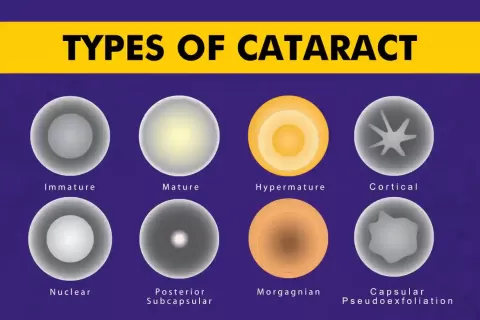
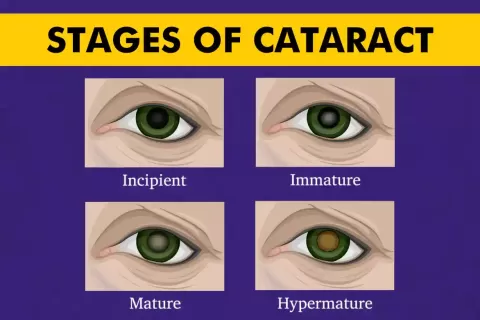
When a cataract is initially forming, it might only cause minor changes in vision, such as slight blurriness or trouble seeing in low light. But as the cataract ?matures,? more and more of the lens becomes cloudy. Eventually, light cannot enter the eye properly, leading to significant difficulty seeing shapes, details, or even light and dark. In advanced stages, untreated cataracts can block vision so thoroughly that a person is effectively blind.
It's important to distinguish between legal blindness and functional blindness. Legal blindness is defined by specific visual acuity measurements used for disability certification. Functional blindness, on the other hand, is when a person's vision is so poor that they cannot perform everyday tasks such as reading, recognising faces, or navigating their environment safely. In both cases, when cataracts are ignored long enough, they can drastically reduce functional vision.
This possibility is a major component of the cataract blindness risk and highlights why regular eye exams and timely treatment are crucial.
Common Early Symptoms of Cataracts
Some of the typical early signs include:
- Blurred or cloudy vision, making objects look faded or less distinct.
- Difficulty seeing at night or in low-light conditions.
- Increased glare and halos around lights, especially at night.
- Sensitivity to bright light or sunlight.
- Fading or dulling of colors, where reds and blues appear muted.
- Frequent changes in glasses or contact lens prescription.
These symptoms occur because, as the lens becomes cloudier, it alters how light enters and focuses on the retina. In early stages, prescription glasses can sometimes help you see better, but this relief is temporary, as the cataract itself continues to progress.
What Happens When Cataracts Are Left Untreated?
When cataracts are untreated, the clouding continues, and vision worsens. Some of the key risks of untreated cataracts include:
1. Progressive Vision Loss
As the cataract grows denser, less light reaches the retina, and your vision continues to blur. Over months or years, this can progress from mild visual problems to severe impairment where you struggle to perform everyday tasks safely.?
2. Increased Risk of Accidents and Injury
Poor vision increases the risk of falls, trips, and other accidents. Older adults are particularly at risk; even slight impairment can make navigating stairs, streets, or unfamiliar environments dangerous.
3. Reduction in Quality of Life and Independence
Vision loss from untreated cataracts doesn't just affect your eyes; it impacts your lifestyle and mental health. Difficulty reading, watching TV, driving, and socialising can lead to isolation, anxiety, and depression.?
4. Secondary Eye Complications
In some cases, untreated cataracts can contribute to other eye problems, such as increased eye pressure (glaucoma) or lens dislocation, which can further damage vision if not addressed.?
5. Untreated Cataract Blindness
At the most severe end of the spectrum is the risk of untreated cataract blindness. While cataract-related blindness can often be reversed with surgery, when nothing is done, and the cataract fully matures, the vision loss becomes so profound that daily life is severely impacted.?
Common Risk Factors for Cataracts
Understanding who is more likely to develop cataracts helps guide prevention and monitoring. Major risk factors include:
- Age: The likelihood of developing cataracts increases significantly after age 50.
- Diabetes: Higher blood sugar accelerates lens protein changes.
- Long-term steroid use and certain medications.
- Exposure to ultraviolet (UV) sunlight.
- Smoking and excessive alcohol use.
- Eye injuries or past eye surgery.
- Obesity and high blood pressure.
Diagnosis: How Eye Care Professionals Detect Cataracts
Detecting cataracts early requires a comprehensive eye exam. Eye care professionals use several tests, such as:
- Visual acuity test: Measures clarity of vision.
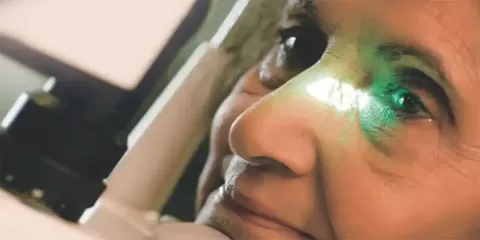
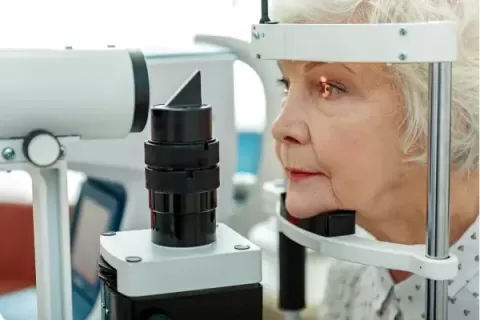
- Slit-lamp exam: Uses a microscope to examine the structures inside the eye.
- Retinal exam: Checks for other conditions and assesses how light focuses on the retina.
These tests help distinguish cataracts from other causes of vision loss and determine how much the cataract affects your vision.
Treatment Options: How Cataracts Are Corrected and Vision Restored
The only effective treatment for cataracts is surgery; no medication or eye drop can reverse the clouding of the lens.?
Cataract surgery is one of the most commonly performed procedures worldwide. During surgery, the cloudy lens is removed, usually via a small incision. It is replaced with a clear artificial lens (called an intraocular lens or IOL). The intervention is generally accomplished within sixty minutes and performed under local anaesthesia. Recovering from the operation is as fast as the modern means are, and most of the patients experience a very significant improvement in their sight already after a few days.
Protecting Your Eyesight: When to Seek Treatment
You should consider cataract surgery when your vision affects daily activities like reading, driving, recognising faces, watching TV, or when your eye care professional advises it. Waiting until a cataract is ?fully mature? isn't necessary; earlier treatment often leads to better outcomes and reduces cataract blindness risk.
Conclusion
Cataracts are a significant concern, especially for the aging population, but understanding the condition and recognizing its symptoms can help mitigate its impact. Early detection and timely cataract treatment can prevent cataracts from leading to blindness.
By adopting preventative measures and staying proactive about eye health, you can protect your vision and maintain a good quality of life. Remember, regular eye examinations are key to preserving your eyesight.
FAQs
Can cataracts cause blindness?
Yes, untreated cataracts can lead to severe vision loss or blindness, but this condition is typically reversible with surgery.
How quickly do cataracts progress to blindness?
The progression varies by individual, but advanced cataracts can take years to develop. Regular checkups can help manage this.
Is cataract surgery safe?
Yes, cataract surgery is one of the safest and most effective procedures, with a high success rate.
What happens if cataracts are left untreated?
They can cause significant vision impairment, increase the risk of falls, and lower quality of life.
Can cataracts return after surgery?
No, but some people may develop a secondary cataract, which is treatable with a quick laser procedure.
Can cataracts cause permanent vision loss if untreated?
Yes, advanced cataracts can severely impair vision and cause functional blindness.
What is the cataract blindness risk without timely treatment?
Delaying treatment increases vision deterioration, accident risk, and reduced daily independence.
How quickly do untreated cataracts worsen vision?
Progression varies, but vision typically worsens gradually over months or years.
Are early cataract symptoms easy to ignore?
Yes, early symptoms are subtle and often mistaken for normal ageing.
Is cataract surgery the only effective treatment option?
Yes, surgery permanently restores vision by replacing the clouded natural lens.
Could not find what you are looking for?


