For years, we have been listening to and ignoring the infamous warning line that “Smoking is injurious to health.” Smoking is widely associated with several serious health problems, ranging from respiratory diseases to cancer. However, what often goes unnoticed is its significant impact on eye health. Beneath every puff, smoking silently damages your eyesight, something many people rarely consider.
The truth is that smoking can cause multiple eye problems. If you are a regular smoker, you may already experience redness, irritation, or dryness in your eyes. Over time, toxic chemicals in tobacco smoke affect vision and significantly increase the risk of serious eye diseases, some of which may lead to permanent vision loss. These effects are not just anecdotal but medically established.
The damage caused by smoking often develops gradually, which is why early warning signs are frequently overlooked. However, research shows that smoking damages critical structures of the eye such as the retina, macula, and lens, impairing clear vision and, in severe cases, leading to blindness.
How Smoking Affects the Eyes
Cigarette smoke contains thousands of harmful chemicals that enter the bloodstream and reduce oxygen supply to tissues, including the eyes. This leads to vascular damage, inflammation, and increased oxidative stress. These processes accelerate cellular ageing and weaken the eye’s natural defence mechanisms.
Smoking also contributes to the formation of free radicals, which damage proteins and lipids in the eye, particularly in the lens and retina. Over time, this cumulative damage increases susceptibility to chronic eye diseases and vision impairment.
Some of the most common eye conditions linked to smoking are explained below:
1. Macular Degeneration
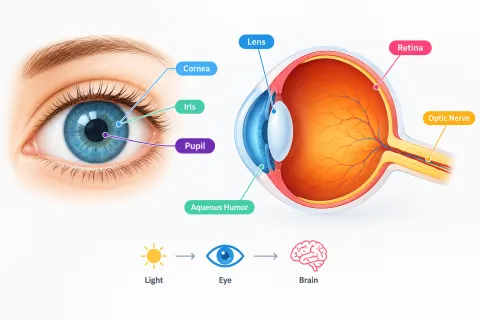
Scientifically, the retina contains a sensitive central region called the macula, responsible for sharp, central vision needed for reading, recognising faces, and distinguishing colours. Smoking significantly increases the risk of age-related macular degeneration (AMD), a condition that gradually destroys this part of the eye.
Studies indicate that smokers are up to four times more likely to develop AMD, and in some cases, the condition may develop several years earlier compared to non-smokers.
2. Cataracts
Smoking is strongly linked to cataract formation, a condition where the eye’s natural lens becomes cloudy, leading to blurred or dim vision. This happens due to oxidative damage and protein coagulation in the lens.
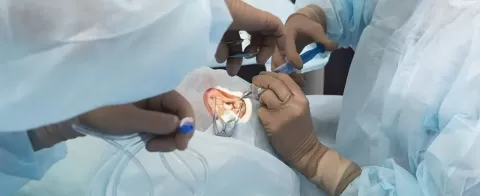
Evidence suggests that smokers are two to three times more likely to develop cataracts than non-smokers. In many cases, cataract surgery becomes the only effective treatment once the condition progresses.
3. Uveitis
The uvea is the middle layer of the eye, and inflammation of this layer is known as uveitis. Smoking has been found to more than double the risk of developing this condition. It can damage the retina and iris, and may lead to complications such as glaucoma, cataract, or even retinal detachment if left untreated.
4. Dry Eye Syndrome
A healthy tear film is essential to keep the eyes lubricated and comfortable. Smoking disrupts this balance by reducing tear production and increasing irritation. As a result, smokers are more likely to experience dryness, redness, and a burning sensation in the eyes.
Research shows that both active and passive smoking can nearly double the risk of developing dry eye syndrome.
5. Diabetic Retinopathy
Smoking also increases the risk of developing diabetes, which in turn raises the likelihood of diabetic retinopathy, a condition that damages the blood vessels in the retina. While research is still evolving, smoking is known to worsen the progression of this condition in people with diabetes, increasing the risk of vision loss.
Not enough yet for you to quit? Well, there is more to the list. Smoking not only harms the smoker but also affects those exposed to second-hand smoke.
Understanding the Risks of Passive Smoking
Second-hand smoke can irritate the eyes and lead to dryness, redness, and discomfort even in non-smokers. Long-term exposure increases the risk of serious eye conditions. In fact, individuals exposed to tobacco smoke are more likely to develop macular degeneration compared to those who are not exposed.
Pregnant women exposed to smoke – directly or indirectly – may also increase the risk of vision-related complications in the unborn child.
Quit Smoking to Protect Your Eyes
The good news is that quitting smoking at any stage can help reduce further damage. While some effects may not be fully reversible, stopping smoking improves blood circulation, reduces inflammation, and lowers the risk of developing major eye diseases such as cataracts and macular degeneration.
You can take simple but effective steps to safeguard your eyesight:
- Quit smoking and avoid exposure to second-hand smoke
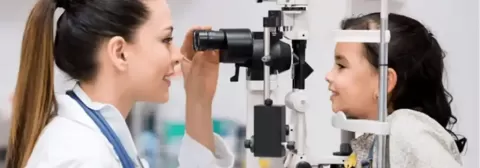
- Schedule regular comprehensive eye check-ups
- Manage conditions such as diabetes and high blood pressure
- Eat a balanced diet rich in antioxidants
- Limit excessive screen time and maintain proper eye hygiene
The earlier you quit, the greater the benefits for both your vision and overall health.