5 Things to Remember When Wearing Contact Lenses
- By Centre For Sight
- 6 minutes
Blog Summary
- Practicing proper hygiene is essential when wearing contact lenses, as dirty hands or contaminated lenses can lead to eye infections and irritation.
- Understanding how long you should wear contact lenses is crucial, as overwearing lenses can reduce oxygen supply to the eyes and cause dryness or discomfort.
- Following the right precautions for contact lenses, such as avoiding sleeping with lenses and replacing them regularly, helps maintain long-term eye health.
- Regular eye check-ups and proper lens care routines ensure that wearing contact lenses remains safe, comfortable, and effective for vision correction.
- Paying attention to warning signs like redness, dryness, or blurred vision can help detect potential problems early and prevent serious eye complications.
The use of contact lenses has gained popularity among eyeglass wearers because they do not want to wear glasses. They are convenient, comfortable, and have improved peripheral vision. Nonetheless, contact lenses also need to be taken care of and used in a responsible way in order to maintain healthy and infection-free eyes.
Although contact lenses are safe to use, when hygiene is not followed properly, harmful outcomes may arise, such as eye irritation, dryness, and infections. This is why it is very important to know the precautions for contact lenses that should be taken.
5 Things to Remember When You Wear Contact Lenses
If you are new to contact lenses or have been using them for years, here are five essential things you should always remember when wearing them.
1. Always Maintain Proper Hygiene
One of the most important rules when wearing contact lenses is maintaining proper hygiene. Your hands come into direct contact with the lenses, and any bacteria or dirt on your fingers can transfer to your eyes.
Before inserting or removing your contact lenses, always wash your hands thoroughly with soap and water. Dry your hands with a lint-free towel before touching the lenses.
Some hygiene tips include:
- Never touch lenses with dirty or wet hands
- Always use a clean contact lens solution
- Avoid using tap water to clean lenses
- Store lenses in a clean and dry case
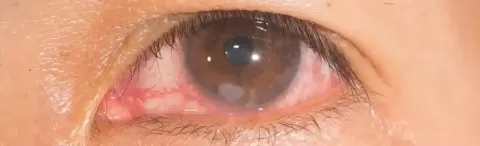
Eye infections such as keratitis can occur when lenses are exposed to bacteria, which is why hygiene is one of the most important precautions for contact lenses.
It is also recommended to clean your contact lens case regularly and replace it every three months to prevent contamination.
2. Follow the Recommended Wearing Time
A very common question people ask is how long should you wear contact lenses during the day. Many users tend to wear lenses longer than recommended, which can cause discomfort and dryness.
Most eye specialists suggest wearing contact lenses for 8-12 hours per day, depending on the type of lenses and the condition of your eyes.
Overwearing lenses reduces oxygen supply to the cornea, which may lead to redness, irritation, and long-term eye problems.
Here are some helpful guidelines regarding how long should you wear contact lenses:
- Daily disposable lenses should be removed before sleeping
- Monthly lenses should follow the recommended schedule
- Do not put on lenses unless advised to.
- Have a rest, periodically, with a change to glasses.
Breaks between lenses are beneficial to your eyes to restore and also minimize chances of drying or irritation.
3. Never Sleep With Contact Lenses On
Sleeping while wearing contact lenses is one of the most common mistakes people make. Even if your lenses feel comfortable during the day, sleeping in them can increase the risk of eye infections.
When you are sleeping, and your eyes are closed, there is a reduction in oxygen supply to the cornea. Oxygen flow may be further cut down by contact lenses, which make the environment favorable to the growth of bacteria.
Research indicates that wearing contact lenses when sleeping greatly increases a person's exposure to eye infections and corneal complications.
To protect your eyes:
- Never leave your lenses on when you are sleeping.
- Do not take naps when wearing lenses.
- Also have a lens case and glasses handy.
Following this simple habit is one of the most effective precautions for contact lenses.
4. Replace Your Lenses and Lens Case Regularly
Many people forget that contact lenses have a specific replacement schedule. Using lenses beyond their recommended duration can cause discomfort and increase the risk of eye infections.
Contact lenses can either be replaced daily, biweekly, or monthly, based on the kind used. Never delay using the schedule recommended to you by your eye care professional.
Old or worn-out lenses may cause irritation, blurred vision and even corneal scratches.
Your lens case must also be cleaned and replaced frequently, in addition to replacing lenses.
Some important tips include:
- Replace lens cases every 2-3 months
- Never reuse old contact lens solution
- Keep the case dry when not in use
- Avoid topping off old solution with fresh liquid
These simple practices help ensure safe wearing contact lenses and reduce the risk of eye infections.
5. Pay Attention to Eye Comfort and Warning Signs
Even if you follow all the recommended guidelines, it is important to pay attention to how your eyes feel while wearing contact lenses.
Discomfort can be an early sign that something is wrong. Ignoring symptoms may worsen the condition and lead to complications.
Common warning signs include:
- Redness or irritation
- Blurred vision
- Dryness or burning sensation
- Excessive tearing
- Sensitivity to light
If you notice any of these symptoms, remove your lenses immediately and allow your eyes to rest.
Persistent discomfort should always be checked by an eye specialist to rule out infections or lens-related complications.
Regular eye check-ups are also important to ensure your contact lenses fit properly and your eyes remain healthy.
Additional Precautions for Contact Lens Users
Apart from the main guidelines, there are several additional precautions for contact lenses that can help protect your eyes.
Avoid Wearing Lenses While Swimming - Water in pools, lakes, or showers may contain harmful microorganisms that can stick to your lenses. This increases the risk of eye infections.
Remove Lenses Before Applying Makeup - Applying makeup before inserting lenses may transfer particles onto the lens surface. Always insert lenses first and remove them before removing makeup.
Avoid Using Expired Lens Solutions - Contact lens solutions contain disinfecting agents that prevent bacterial growth. Using expired or contaminated solutions can increase infection risk.
Keep Backup Glasses - It is always wise to keep a pair of prescription glasses with you. This allows your eyes to rest if you feel discomfort while wearing contact lenses.
Why Proper Contact Lens Care Is Important
Contact lenses sit directly on the surface of your eyes, which makes proper care extremely important. Poor lens hygiene or improper usage can lead to infections, dryness, and long-term eye complications.
By following recommended guidelines and understanding how long you should wear contact lenses, you can enjoy clear vision without compromising eye health.
Safe and responsible wearing contact lenses not only improves comfort but also ensures long-term eye safety.
Conclusion
Contact lenses are a convenient and effective way to correct vision, but they require proper care and attention. Maintaining good hygiene, following the recommended wearing time, and understanding the right precautions for contact lenses can help prevent discomfort and eye infections.
Remember to always listen to your eyes. If you experience irritation, redness, or blurred vision, remove your lenses and consult an eye specialist.
With the right habits and proper care, wearing contact lenses can remain a safe and comfortable part of your daily routine.
Frequently Asked Questions
How long should you wear contact lenses in a day?
Is it safe to wear contact lenses every day?
What precautions should be taken while wearing contact lenses?
Can I sleep while wearing contact lenses?
What happens if contact lenses are worn too long?
Could not find what you are looking for?


