What Is Eye Cancer? Signs, Risk Factors & Treatment
- By Centre For Sight
- 7 minutes
Blog Summary
- Early eye examinations can reveal silent tumours before vision loss begins.
- Protective sunglasses reduce ultraviolet exposure, potentially lowering long-term eye cancer risks.
- Multidisciplinary care improves treatment precision and emotional support throughout recovery.
- Children benefit most when retinoblastoma is detected during routine pediatric eye screenings.
- Lifestyle awareness and genetic history help guide proactive, personalised eye health planning.
Eye cancer is a serious yet relatively rare condition that can affect not only your vision but also your overall health and quality of life. Because the eyes are delicate and essential organs, any abnormal growth or change can have long-term consequences if left untreated. While many eye problems are minor and easily managed, cancer of the eye requires prompt medical attention and a clear understanding of symptoms, risks, and treatment options.
With early diagnosis and appropriate care, the outlook for many people with eye cancer can be positive. This article explains what eye cancer is, the different types, common signs and symptoms, possible causes and risk factors, available treatments, and why seeking expert care plays a critical role in achieving the best outcomes.
What is Eye Cancer?
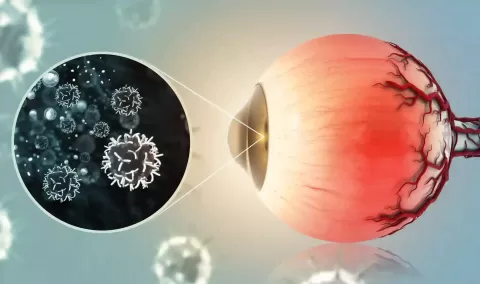
Eye cancer refers to the abnormal and uncontrolled growth of cells in or around the eye. These cells can form a tumour that may interfere with normal eye function and, in some cases, spread to other parts of the body. Depending on where the cancer begins, eye cancer is classified into three main categories: intraocular, orbital, and adnexal.
Intraocular Cancer
Intraocular cancer starts inside the eyeball and is the most commonly diagnosed form of eye cancer. It can develop in different parts of the eye, such as the uvea, retina, or vitreous body. The most frequent types include:
- Uveal melanoma: The most common eye cancer in adults. It begins in the pigment-producing cells of the uvea, which include the iris, ciliary body, and choroid.
- Primary intraocular lymphoma: A rare cancer that often starts in the retina and can be associated with the central nervous system.
- Retinoblastoma: A cancer of the retina that typically affects children, often under the age of five. Early detection is crucial for preserving vision and life.
Orbital Cancer
Orbital cancer begins in the tissues surrounding the eyeball, such as the muscles, nerves, or fat within the eye socket (orbit). This type of cancer may cause noticeable changes in the position of the eye, including bulging or restricted movement.
Adnexal Cancer
Adnexal cancer affects the accessory structures of the eye, including the eyelids, tear glands, and conjunctiva. Common examples include basal cell carcinoma and squamous cell carcinoma of the eyelids.
Understanding the type and location of eye cancer is essential, as it directly influences the treatment approach and prognosis.
What happens if you have eye cancer?
Being diagnosed with eye cancer can be overwhelming, but outcomes vary depending on several factors, including the type of cancer, its stage at diagnosis, and how well the body responds to treatment. When detected early, many eye cancers are treatable, and survival rates can be encouraging.
However, if the cancer affects critical structures of the eye, it may lead to partial or complete vision loss. In advanced cases, some types of eye cancer can spread to other parts of the body, such as the liver, lungs, or brain, making treatment more complex.
Beyond physical effects, an eye cancer diagnosis can also have emotional and psychological impacts. Patients may experience anxiety, stress, or concerns about changes in appearance or vision. This is why a comprehensive care approach that includes medical treatment and emotional support is equally important.
Common Signs and Symptoms of Eye Cancer
The signs and symptoms of eye cancer are not always obvious in the early stages, which is why regular eye check-ups are essential. Some people may not notice any changes until the condition has progressed. However, the following symptoms should not be ignored:
- Shadows, flashes of light, or floaters in the field of vision
- A growing lump or swelling on the eyelid or around the eye
- Sudden partial or complete loss of vision
- A dark spot or patch on the iris that increases in size
- Bulging of one eye or noticeable change in eye position
- Blurry or cloudy vision
- Pain, redness, or irritation in or around the eye
It is important to note that many of these symptoms can also be associated with non-cancerous eye conditions. However, if any of these signs persist or worsen, it is essential to consult an eye specialist for a thorough evaluation.
Causes and Risk Factors of Eye Cancer
The exact cause of eye cancer is not always known. Like many cancers, it develops due to genetic mutations that cause cells to grow uncontrollably. However, certain risk factors have been associated with a higher likelihood of developing eye cancer:
Genetic and Hereditary Factors
- Family history: Individuals with a family history of melanoma or other cancers may have a higher risk.
- Inherited conditions: Disorders such as dysplastic nevus syndrome or certain genetic mutations can increase susceptibility.
Physical and Environmental Factors
- Light-colored eyes: People with blue or green eyes are at a higher risk of developing uveal melanoma.
- Age: The risk of eye cancer increases with age, particularly for uveal melanoma and lymphoma.
- Ultraviolet (UV) exposure: Prolonged exposure to sunlight without proper eye protection may contribute to the risk.
Immune System Health
- Weakened immune system: Individuals with compromised immunity, such as those with HIV/AIDS or those taking immunosuppressive medications, may be at a higher risk of developing certain types of eye cancer.
Understanding these risk factors can help individuals take preventive measures, such as wearing UV-protective sunglasses and scheduling regular eye exams.
How Is Eye Cancer Diagnosed?
Early diagnosis plays a crucial role in successful treatment. If an eye specialist suspects eye cancer, they may recommend a series of tests, including:
- Comprehensive eye examination: Using specialised instruments to examine the inside and outside of the eye.
- Imaging tests: Ultrasound, MRI, or CT scans to assess the size and location of the tumour.
- Biopsy: In some cases, a small tissue sample may be taken to confirm the diagnosis.
These tests help determine the type, stage, and extent of the cancer, which guides the treatment plan.
Treatment Options for Eye Cancer
A common question among patients is, “Is eye cancer curable?” The answer depends on several factors, including the type of cancer, its location, and how early it is detected. Treatment is often tailored to preserve as much vision as possible while effectively eliminating the cancer.
Surgery
Surgery may be used to remove the tumour or, in some cases, the entire eye (a procedure known as enucleation). This option is usually considered when the cancer is large or causing severe pain.
Radiation Therapy
Radiation therapy uses high-energy rays to destroy cancer cells. Techniques such as plaque brachytherapy allow targeted treatment while minimising damage to surrounding tissues.
Chemotherapy
Chemotherapy involves the use of drugs to kill cancer cells and is often used for cancers like retinoblastoma or lymphoma.
Targeted Therapy and Immunotherapy
In some cases, newer therapies that target specific cancer cells or boost the body’s immune response may be recommended.
The treatment approach is determined by a multidisciplinary team to ensure the best possible outcome for the patient.
Why Choose Centre For Sight?
At Centre for Sight, patient care is guided by expertise, advanced technology, and a compassionate approach. The centre brings together a carefully selected team of experienced ophthalmologists and oncologists who specialise in diagnosing and treating complex eye conditions, including eye cancer.
With access to state-of-the-art diagnostic tools and modern treatment techniques, patients receive personalised care plans tailored to their specific needs. Beyond medical treatment, Centre for Sight focuses on patient education, emotional support, and long-term follow-up to ensure comprehensive care throughout the recovery journey.
Conclusion
Eye cancer may be rare, but its impact can be significant if not detected and treated early. Understanding the types, symptoms, risk factors, and treatment options empowers individuals to take proactive steps toward protecting their vision and overall health. Regular eye check-ups, awareness of warning signs, and timely consultation with specialists can make a meaningful difference in outcomes.
With expert care and the right support system, many patients can manage eye cancer effectively and continue to lead fulfilling lives.
Frequently Asked Questions
Can eye cancer spread to other parts of the body?
How often should I get my eyes checked for early detection?
Are there lifestyle changes that help reduce eye cancer risk?
Is vision always lost after eye cancer treatment?
Can children inherit eye cancer from their parents?
Could not find what you are looking for?


