Dry Eyes Symptoms Causes and Home Remedies for Relief
- By Centre For Sight
- 6 minutes
Blog Summary
- Persistent eye dryness may signal tear imbalance, not just temporary irritation.
- Screen exposure and reduced blinking significantly increase risk of dry eyes.
- Identifying dry eyes causes early helps prevent infections and surface damage.
- Lifestyle changes and lubrication therapy can effectively control most dry eye cases.
- Long-term relief depends on treating underlying causes, not symptoms alone.
Dry eyes are a common condition in which the eyes do not produce enough tears, or the tears evaporate too quickly to keep the eyes properly lubricated and nourished. Tears play a vital role in maintaining eye health, protecting the surface of the eye, and ensuring clear vision. Although dry eyes are more frequently seen in older adults, they can affect people of any age, especially those who spend long hours on digital screens or live in dry environments.
In simple terms, the answer to the question what is eye dryness refers to a state in which the tear film becomes unstable or insufficient, leading to irritation, redness, and visual discomfort. While the condition usually does not cause permanent vision loss, untreated eye dryness can increase the risk of infection, inflammation, and damage to the surface of the eye.
Every time we blink, tears spread across the cornea, the clear front surface of the eye. Tears normally drain through tiny openings (puncta) at the inner corners of the eyelids and flow into the nose through the nasolacrimal duct. Dry eyes may occur when the formation of tears and the ability to drain are not in harmony, or when the quality of the tears is low.
Symptoms of Dry Eye
Common symptoms of dry eyes include:
- Scratching or soreness of the eyes.
- Pain when burning or stinging.
- Eye fatigue or heaviness
- Soreness or discomfort
- Constant eye dryness or grittiness.
- Redness of the eyes
- Diffuse or intermittent blurred vision.
- Scanty mucus around the eyes.
- The inability to read or spend much time with a computer and mobile devices.
Some people may also experience light sensitivity or a feeling that something is stuck in the eye. These symptoms are often referred to collectively as computer vision syndrome when they are linked to prolonged screen use. Recognising the early causes of dry eyes behind these symptoms helps prevent worsening of the condition.
Dry Eyes Causes
There are several causes of dry eyes, ranging from natural ageing to medical and environmental factors. Understanding these causes is essential for choosing the right treatment.
Age
Ageing is one of the most common dry eyes causes. Tear production tends to decrease naturally with age, and many individuals over 60 experience symptoms of dry eyes or chronic eye dryness.
Medical Conditions
People suffering from eye-related conditions such as blepharitis (inflammation of the eyelids) or eyelid abnormalities are more likely to develop dry eyes. Systemic illnesses such as diabetes, thyroid disorders, and rheumatoid arthritis can also contribute to reduced tear production.
Gender and Hormonal Changes
Both pregnancy, menopause, and oral contraceptives are hormonal causes that increase women's chances of developing dry eyes.
Medications and Surgeries
Some drugs, such as blood pressure medications, antihistamines, antidepressants and decongestants, can decrease the amount of tears. Contact lens overuse and eye procedures such as LASIK can contribute to dry eye symptoms, sometimes temporarily and occasionally long-term.
Environmental Conditions
Activities in the environment, like dry weather, wind, smoke, air pollution, and extended use of air conditioners, can increase the process of tear evaporation, resulting in dry eyes.
Extended screen exposure is another modern contributor. Reduced blinking while using computers or smartphones can destabilise the tear film and worsen eye dryness, making digital eye strain a significant lifestyle-related cause.
How to Reduce Dry Eye Symptoms
Several practical steps can help relieve symptoms and serve as an effective dry eyes remedy.
Blink More Often
Blinking aids in distributing tears all over the eyes and also keeps the eyes wet. Consciously learn to blink very often, particularly when using the screen.
Increase Humidity
The evaporation of tears is minimized by a humidifier at home or in the place of work to keep the air moist.
Wear Protective Eyewear
Wraparound sunglasses protect the eyes from wind, dust, and sunlight, reducing the risk of eye dryness.
Stay Hydrated
Drinking adequate water supports tear production and helps maintain moisture in the eyes.
Maintain a Balanced Diet
Omega-3 fatty acids and other nutrients may help improve tear quality. Consult an eye specialist before starting supplements.
Following the 20-20-20 rule - looking at something 20 feet away for 20 seconds every 20 minutes - can act as a simple but effective dry eye remedy, particularly for people who spend long hours working on screens.
Dry Eyes Treatment
Fortunately, several effective dry eyes treatment options are available. The choice of treatment depends on the severity of symptoms and the underlying causes of dry eyes.
Artificial Tears and Ointments
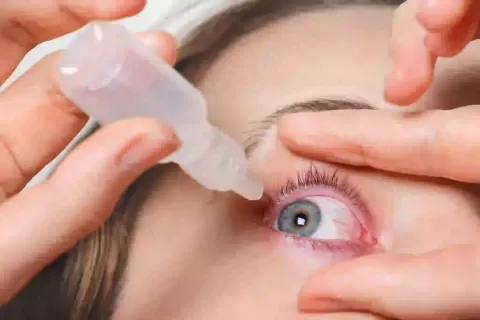
Over-the-counter artificial tear drops are often the first line of treatment. These drops supplement natural tears and reduce irritation. Night-time ointments may be recommended if symptoms worsen during sleep.
Eye Inserts
If artificial tears are insufficient, medicated eye inserts placed between the eyelid and eyeball can provide continuous lubrication throughout the day.
Medical Procedures
In chronic cases, doctors may recommend specialised contact lenses, oil gland treatments, or punctal plugs to reduce tear drainage and preserve moisture.
Many patients ask how to cure dry eyes permanently. In reality, the possibility of how to cure dry eyes permanently depends on the underlying cause. When dryness results from reversible factors such as environmental exposure or medication, symptoms may resolve completely. However, chronic conditions may require long-term management rather than a permanent cure.
Home Remedies for Dry Eyes
- Warm compresses
- Gentle eyelid cleaning
- Screen breaks and blinking
- Avoiding direct airflow
- Hydration and balanced diet
- Protective eyewear
- Safety precautions and when to consult a specialist
When to Consult an Eye Specialist
You should seek medical advice if:
- Symptoms persist despite using artificial tears
- Vision becomes blurry or fluctuates frequently
- Eye pain or sensitivity to light develops
- Redness or irritation worsens over time
Early evaluation helps identify underlying dry eyes causes and prevents complications such as corneal damage or infection. Timely diagnosis also improves the chances of effective treatment and long-term comfort.
Importance of Early Diagnosis
Many people ignore mild eye dryness, assuming it is temporary. However, untreated dry eyes can gradually damage the tear film and eye surface. Early diagnosis allows doctors to recommend personalised therapies, lifestyle changes, and preventive strategies that protect long-term eye health.
Regular eye examinations are especially important for individuals with diabetes, thyroid disorders, or heavy screen exposure, as these groups are at higher risk of developing chronic dry eyes.
Expert Care and Advanced Treatment
Institutions such as Centre for Sight provide comprehensive diagnosis and treatment for a wide range of eye conditions, including chronic dry eyes, eye injuries, and vision disorders. With advanced diagnostic technologies and experienced specialists, treatment plans are tailored to each patient's needs to ensure effective and precise care.
Whether symptoms are mild or severe, consulting an experienced eye specialist is the most reliable way to understand what is eye dryness, identify specific dry eyes causes, and determine the most appropriate treatment approach.
Conclusion
Dry eyes are a widespread but manageable condition that can significantly affect comfort, productivity, and quality of life. Understanding eye dryness, recognising early symptoms, and addressing underlying causes are key steps towards effective management.
With proper care, lifestyle adjustments, and timely medical guidance, most people can control symptoms successfully. While some cases may not have a permanent cure, consistent treatment and preventive habits provide long-term relief and protect overall eye health.
Frequently Asked Questions
What is eye dryness?
What causes dry eyes?
Can dry eyes go away permanently?
Is screen time responsible for dry eyes?
Can dehydration cause eye dryness?
Could not find what you are looking for?


