



Understanding CLEAR Laser Eye Surgery

What Is CLEAR Surgery?
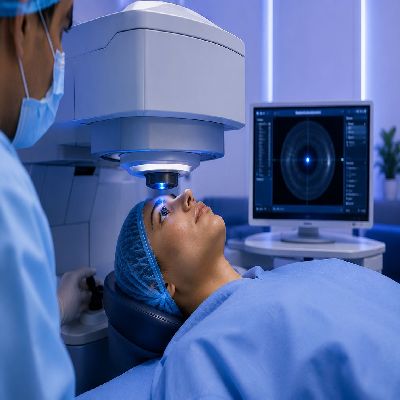
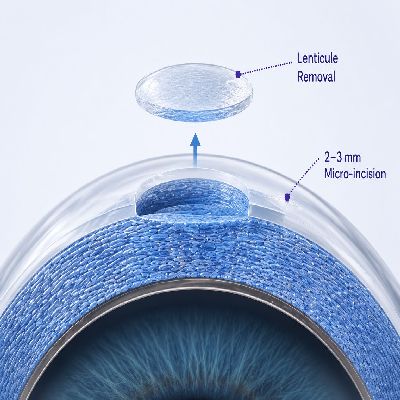
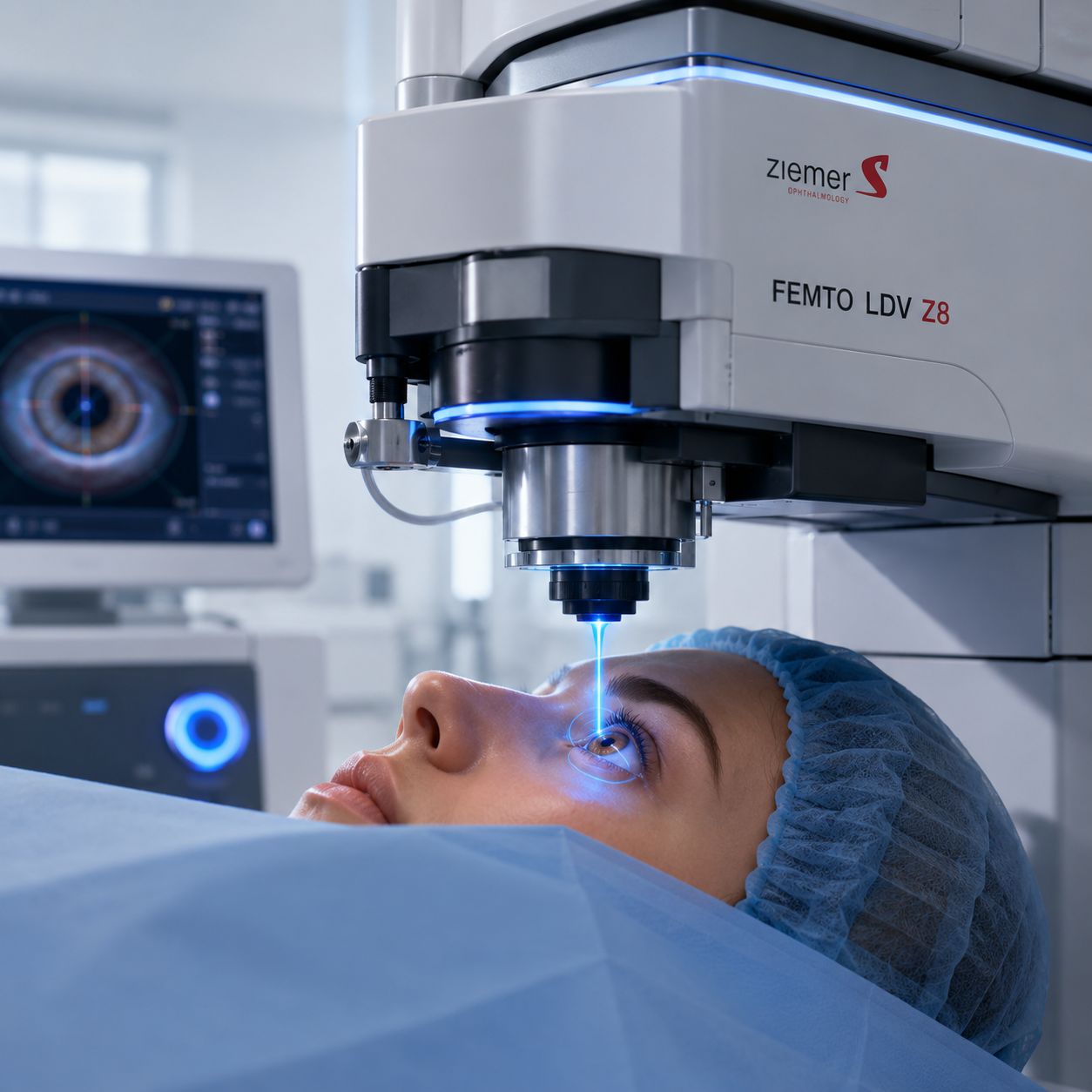
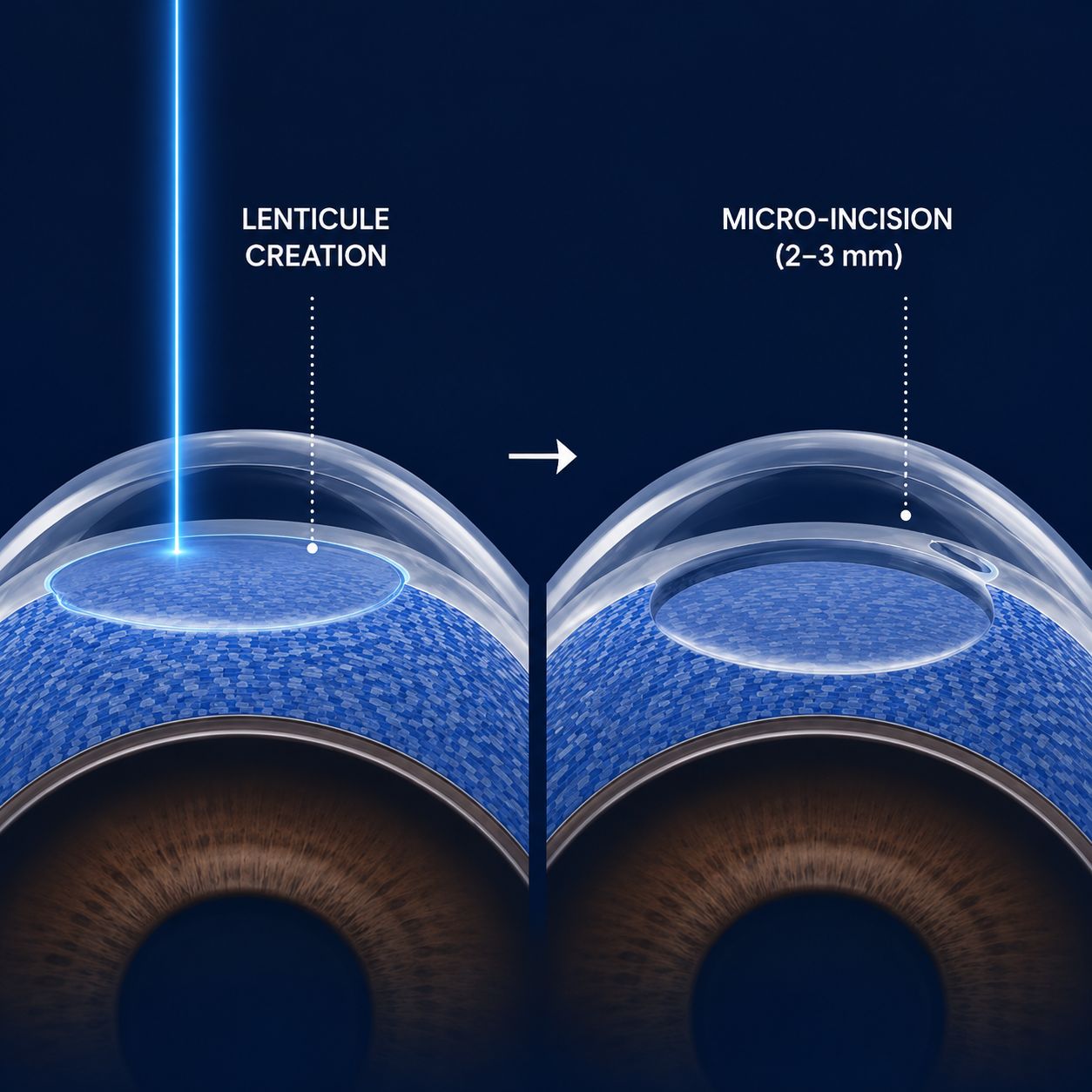
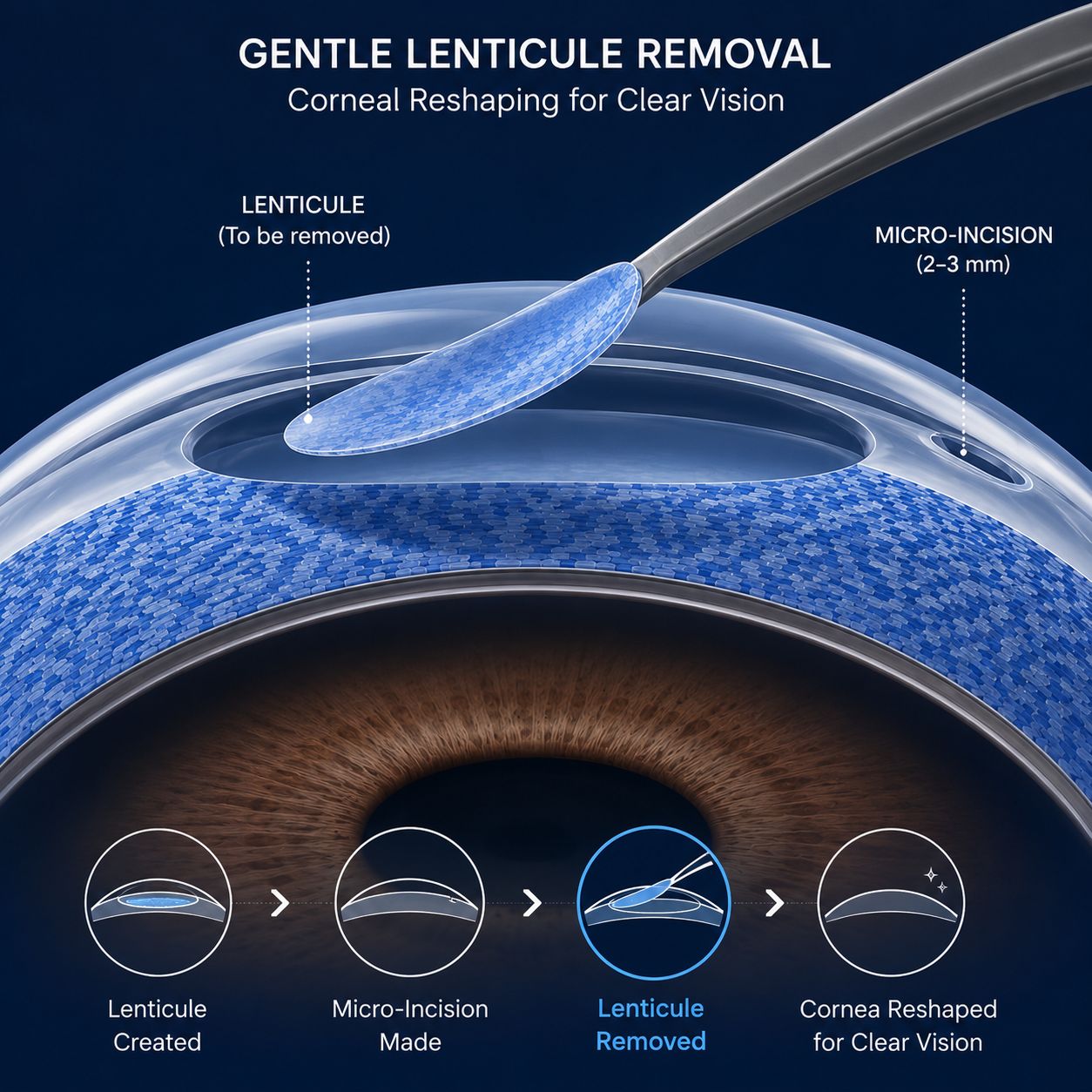
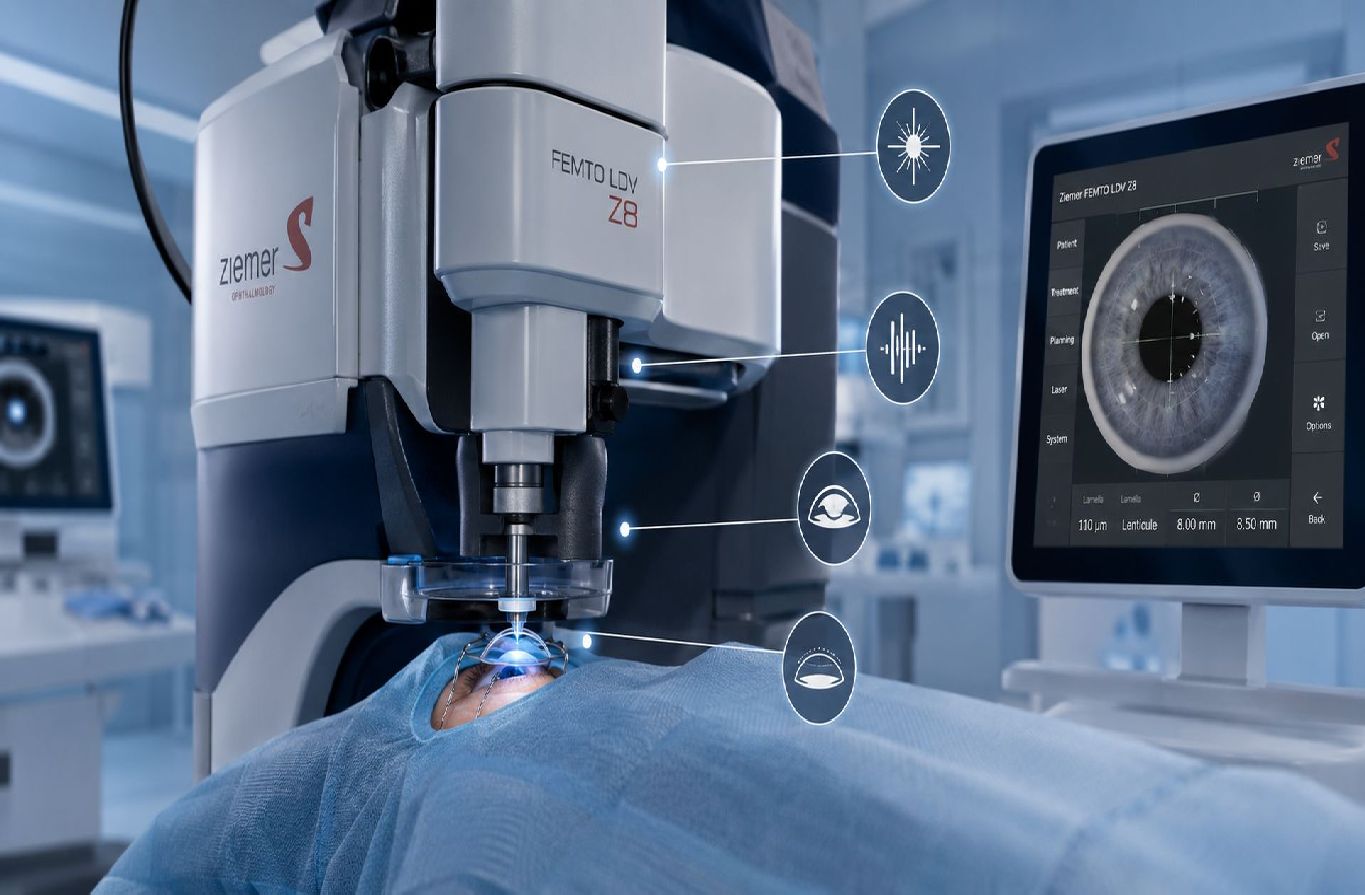
CLEAR (Corneal Lenticule Extraction for Advanced Refractive Correction) is a next-generation flapless laser eye surgery that corrects refractive errors by reshaping the cornea. Unlike traditional LASIK, CLEAR refractive surgery does not require creating a corneal flap or using an excimer laser. Instead, it uses the advanced Ziemer FEMTO LDV Z8 femtosecond laser to create a tiny lens-shaped piece of tissue (called a lenticule) within the cornea, which is gently removed through a small 2–3 mm micro-incision.
This minimally invasive Corneal Lenticule Extraction procedure preserves more of the cornea’s natural structure, helping maintain corneal strength while providing precise and long-lasting CLEAR vision correction. Patients can typically expect quick visual recovery, minimal discomfort, and reduced risk of flap-related complications.
What Does CLEAR Treat?
CLEAR laser eye surgery is designed to correct common refractive errors that prevent light from focusing accurately on the retina. It is primarily recommended for individuals with myopia (nearsightedness) and can also effectively treat astigmatism, reducing or eliminating dependence on glasses and contact lenses.
Using advanced Corneal Lenticule Extraction technology, CLEAR vision correction precisely reshapes the cornea to restore sharper, clearer distance vision while preserving its natural strength. The result is high-quality visual outcomes with minimal disruption to the eye’s surface and a faster recovery for most patients.
Who Is Suitable For CLEAR Surgery?
CLEAR eye treatment is ideal for individuals who want to reduce or eliminate their dependence on glasses or contact lenses. While the procedure is highly advanced, suitability depends on a comprehensive eye examination performed by an experienced eye specialist. You may be a suitable candidate for CLEAR refractive surgery if you:
- Are 18 years or older with a stable spectacle or contact lens prescription.
- Have myopia (nearsightedness) up to -10.00 D, with or without astigmatism up to 5.00 D (subject to clinical evaluation and regional approvals).
- Have healthy corneas with adequate corneal thickness, more than 500 microns.
- Wish to enjoy greater freedom from glasses or contact lenses.
- Do not have active eye infections, progressive corneal disorders (such as keratoconus), severe dry eye disease, or uncontrolled eye conditions.
Why Choose CLEAR Laser Eye Surgery?
No Corneal Flap

Unlike traditional LASIK, CLEAR laser eye surgery does not require creating a corneal flap. Instead, a tiny lenticule is removed through a small 2–3 mm micro-incision, preserving more of the cornea’s strongest anterior layers and maintaining its natural biomechanics.
With no flap to create or reposition, the procedure eliminates flap-related complications while offering a minimally invasive approach to CLEAR vision correction. This makes it an excellent choice for patients seeking advanced flapless laser eye surgery with long-term corneal stability.
Exceptional Precision

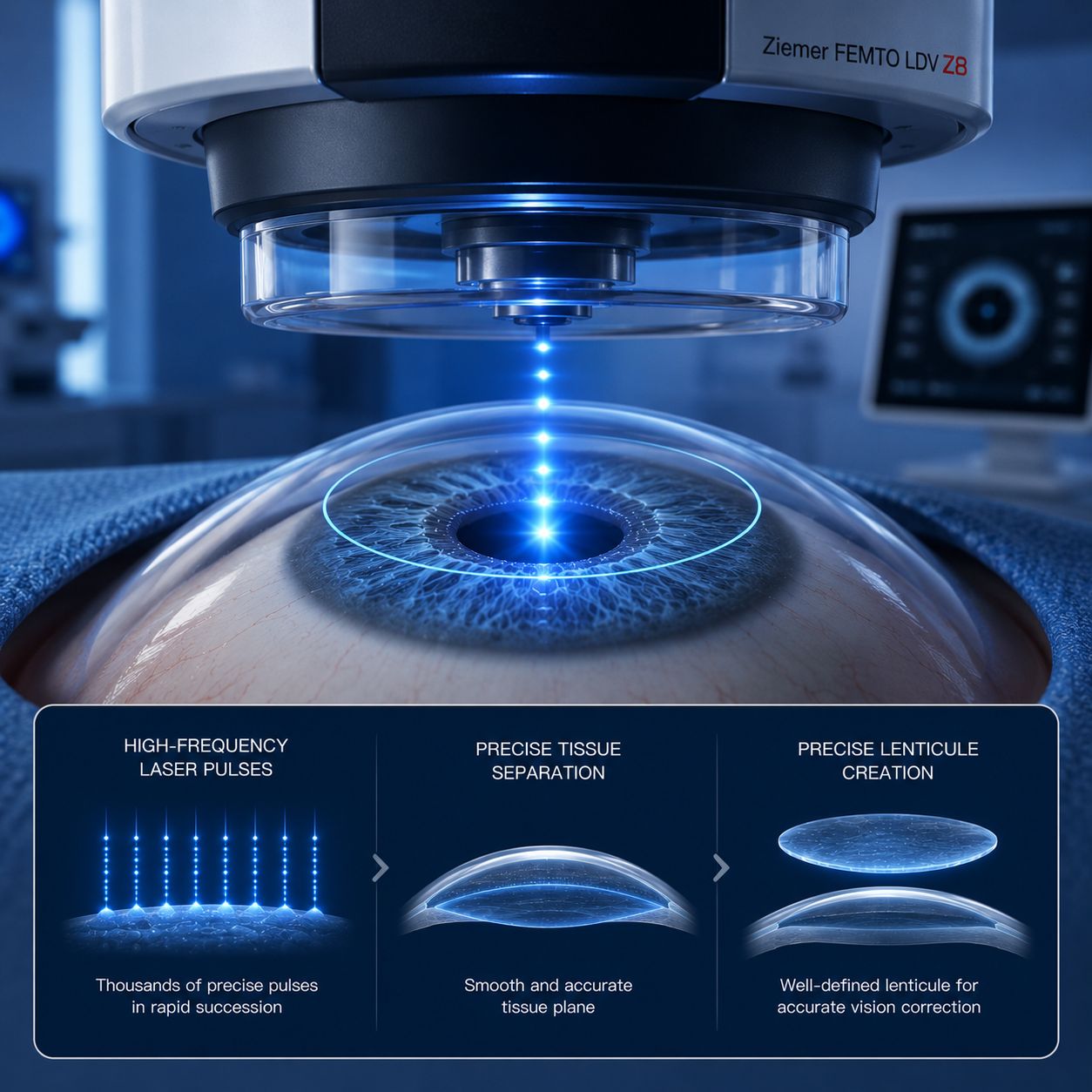
CLEAR refractive surgery is performed using the advanced Ziemer FEMTO LDV Z8, a low-energy femtosecond laser that completes the entire procedure using a single laser platform. It creates a highly precise lenticule within the cornea, allowing accurate tissue separation while preserving surrounding healthy tissue.
This advanced technology delivers predictable corneal vision correction, helping patients achieve excellent visual outcomes with enhanced precision and consistency.
Less Dry Eyes

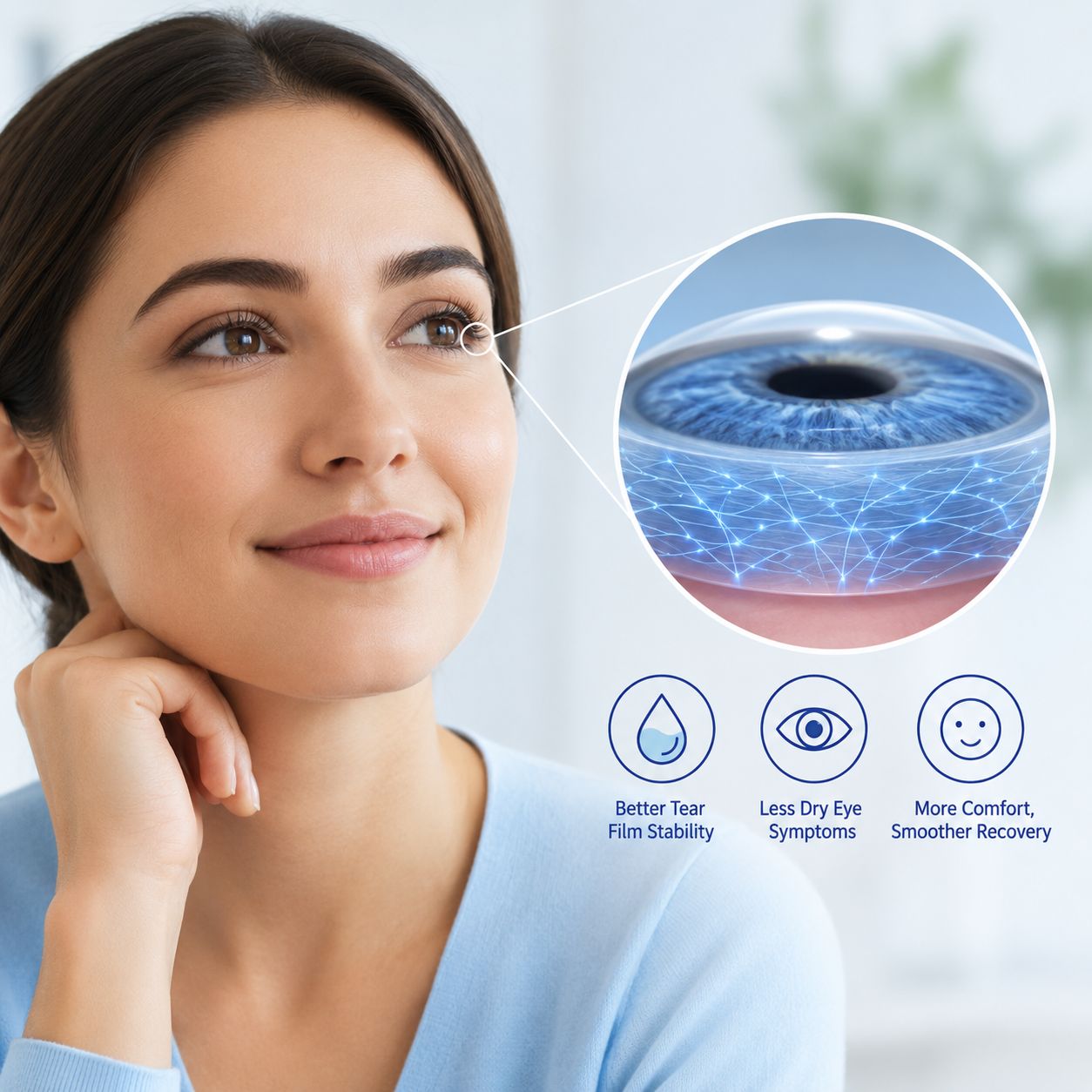
Since CLEAR eye treatment involves only a small incision and preserves more corneal nerves than flap-based procedures, many patients experience less disruption to the eye’s natural tear film. This helps reduce the likelihood of post-operative dry eye while supporting a more comfortable healing experience.
Most patients notice improved vision within the first few days and can return to their normal daily routine soon after surgery, following their eye specialist’s advice.
Suitable for Active Lifestyles

Whether you’re an athlete, fitness enthusiast, frequent traveller, or simply enjoy an active lifestyle, CLEAR laser eye surgery offers the confidence of a flap-free procedure. Because there is no corneal flap, there is no risk of flap displacement from accidental eye trauma after healing.
Combined with long-lasting CLEAR vision correction, the procedure allows you to enjoy greater freedom from glasses and contact lenses while embracing an active, unrestricted lifestyle.
How CLEAR Laser Eye Surgery Works
Treatment Planning

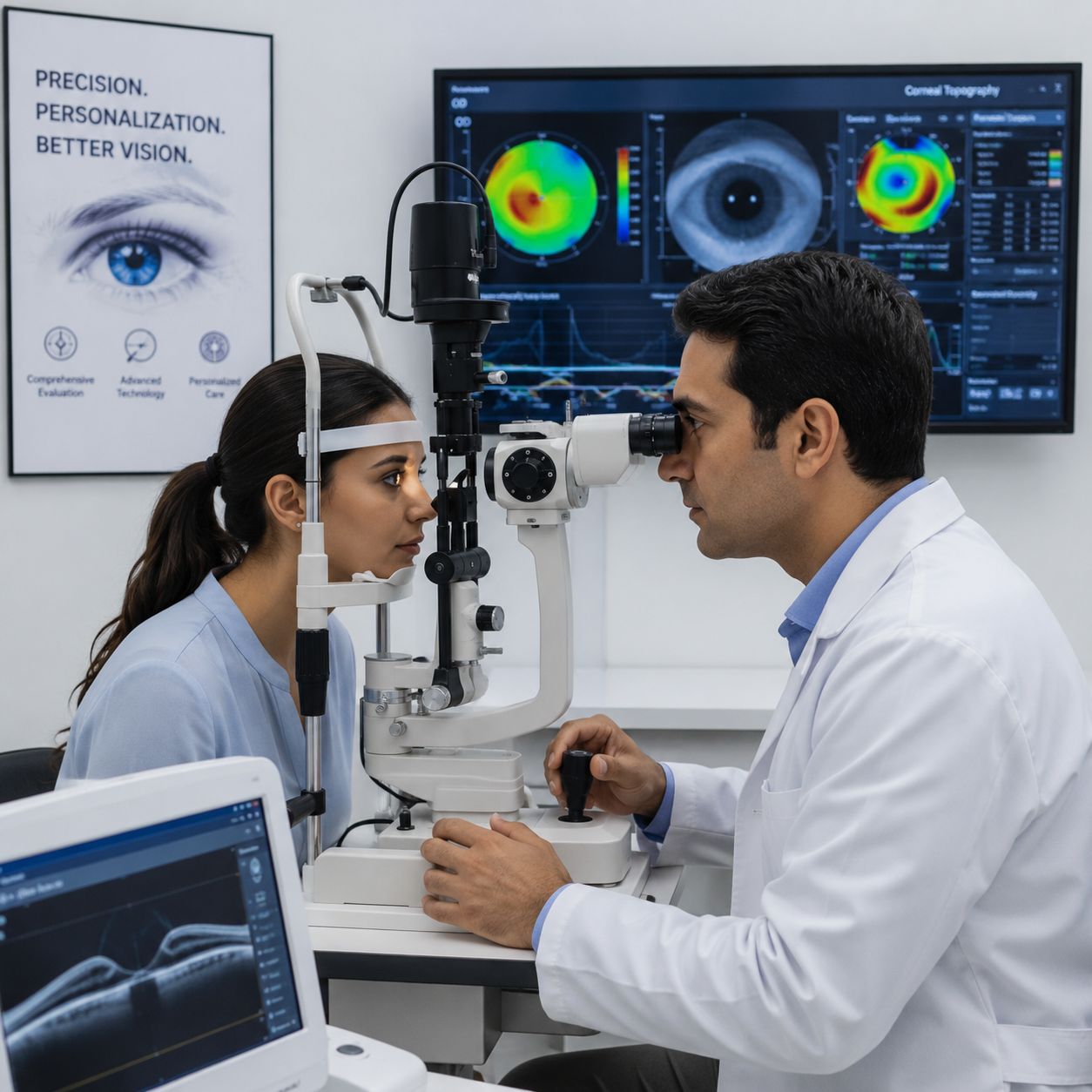
Every successful CLEAR refractive surgery begins with a detailed eye examination. Your eye specialist evaluates your spectacle power, corneal thickness, corneal topography, tear film quality, pupil size, and overall eye health to determine whether you’re a suitable candidate for CLEAR vision correction. These advanced diagnostic tests help create a personalized treatment plan, ensuring the procedure is safe, precise, and tailored to your unique eyes for optimal visual outcomes.
Lenticule Creation

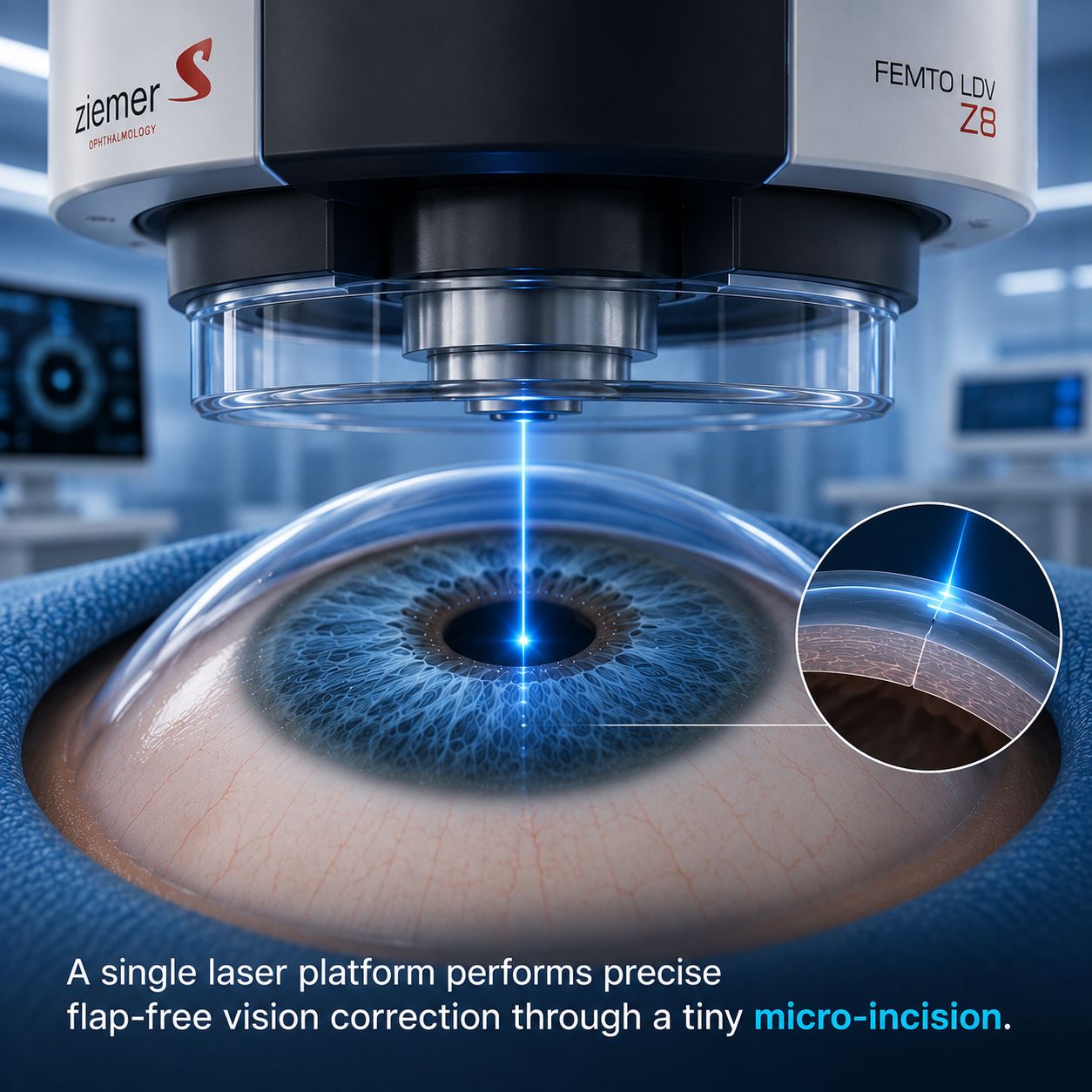
Once your treatment plan is finalized, the advanced Ziemer FEMTO LDV Z8 femtosecond laser creates a thin, lens-shaped piece of tissue called a lenticule within the cornea. This highly accurate process is completed without creating a corneal flap or using an excimer laser. The laser also creates a tiny 2–3 mm micro-incision, making CLEAR laser eye surgery a truly flapless laser eye surgery that preserves more of the cornea’s natural structure.
Lenticule Removal

Through the small micro-incision, the surgeon carefully separates and removes the lenticule created inside the cornea. This precisely controlled Corneal Lenticule Extraction naturally reshapes the cornea, allowing light to focus accurately on the retina. By correcting the eye’s refractive power, CLEAR eye treatment effectively addresses myopia and astigmatism, delivering sharp, natural vision while preserving more corneal tissue and nerves than conventional flap-based procedures.
Vision Recovery

Following the procedure, the tiny incision heals naturally without stitches, allowing the cornea to recover while maintaining its structural integrity. Most patients notice a significant improvement in vision within the first few days, with visual clarity continuing to stabilize over the following weeks. With proper post-operative care and follow-up, CLEAR vision correction offers long-lasting freedom from glasses or contact lenses for suitable candidates, helping them return to their everyday activities with greater confidence.
CLEAR vs Other Vision Correction Procedures
CLEAR vs LASIK
Both CLEAR laser eye surgery and LASIK are highly effective procedures for correcting refractive errors such as myopia and astigmatism, but they use different surgical techniques. LASIK creates a thin corneal flap before reshaping the cornea with an excimer laser, whereas CLEAR refractive surgery uses Corneal Lenticule Extraction to reshape the cornea through a tiny 2–3 mm micro-incision—without creating a flap.
Why Patients Choose CLEAR
- Flap-free, minimally invasive procedure
- Better preservation of corneal biomechanics
- Lower likelihood of flap-related complications
- May reduce the incidence of post-operative dry eye
- Faster return to everyday activities for many patients
CLEAR vs PRK
Both PRK and CLEAR vision correction eliminate the need for glasses or contact lenses by reshaping the cornea. However, PRK removes the outer corneal epithelium before laser treatment, requiring a longer healing period. In contrast, CLEAR eye treatment preserves the corneal surface by creating and removing a lenticule through a small micro-incision, resulting in a more comfortable recovery for many patients.
Why Patients Choose CLEAR
- No removal of the corneal surface layer
- Reduced post-operative discomfort
- Faster visual recovery
- Lower risk of corneal haze
- Suitable for many patients seeking a minimally invasive procedure
CLEAR vs ICL
Unlike ICL, which corrects vision by implanting a Collamer lens inside the eye, CLEAR laser eye surgery permanently reshapes the cornea without placing any artificial lens in the eye. Both procedures deliver excellent visual outcomes, but they are recommended for different patient profiles depending on factors such as refractive error, corneal thickness, and overall eye health.
Why Patients Choose CLEAR
- No implanted lens inside the eye
- No long-term implant maintenance
- Permanent reshaping of the cornea
- Excellent option for eligible patients with myopia and astigmatism
CLEAR vs SMILE & SILK
CLEAR, SMILE, and SILK represent the latest generation of flapless laser eye surgery, all based on the principle of Corneal Lenticule Extraction. The primary difference lies in the laser platform and technology used. CLEAR laser eye surgery is performed using the Ziemer FEMTO LDV Z8, while SMILE uses the ZEISS VisuMax platform and SILK is performed using the Johnson & Johnson ELITA system. Each technology offers precise corneal vision correction, and the most suitable procedure depends on your eye health, prescription, and your eye specialist’s clinical recommendation.
Why Patients Choose CLEAR
- Advanced low-energy femtosecond laser technology
- Preserves more corneal nerves and biomechanics
The Science Behind CLEAR Eye Surgery

Innovation Behind Every Clearer View
Low-Energy Laser

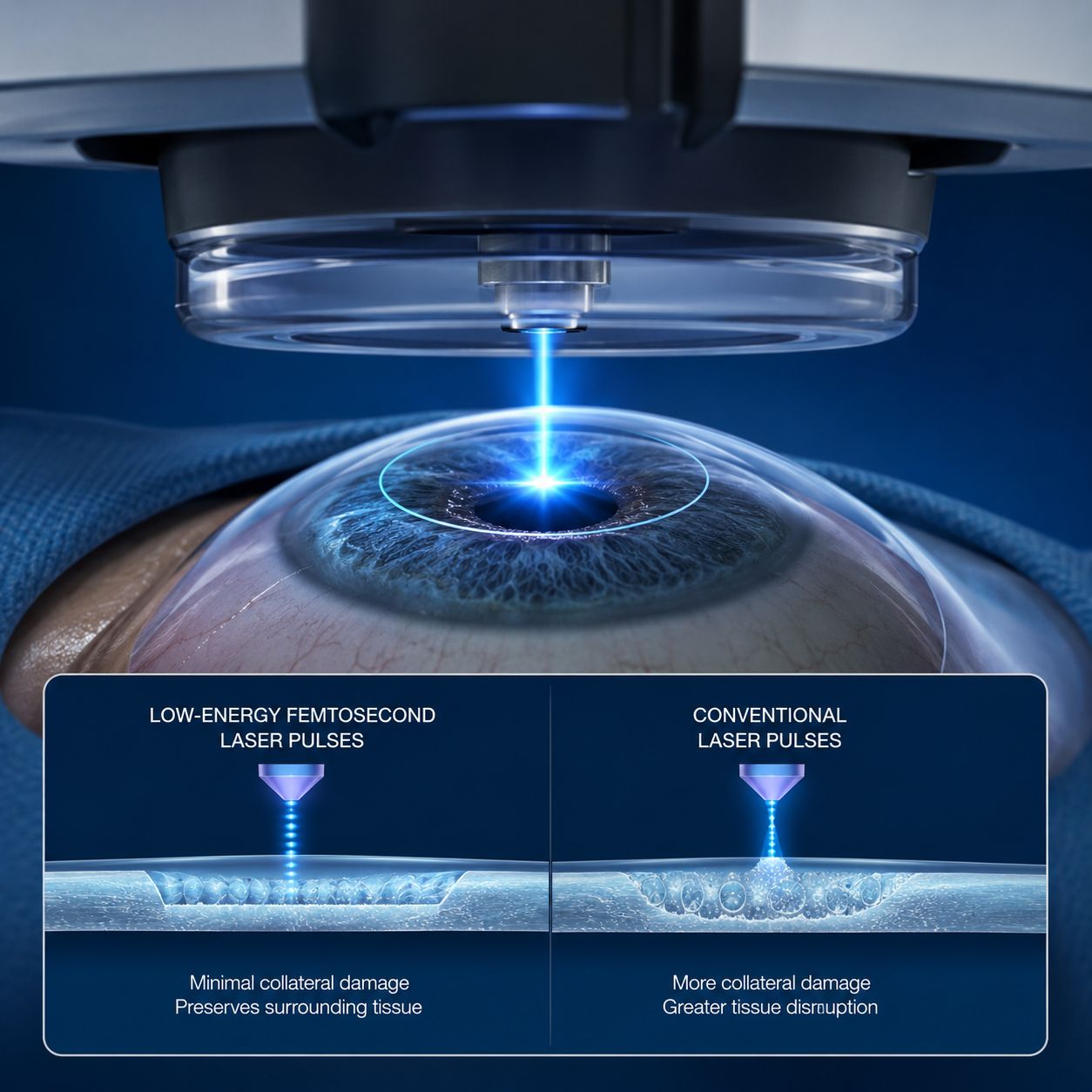
Unlike conventional laser systems that rely on higher-energy pulses, the Ziemer FEMTO LDV Z8 uses low-energy, high-frequency femtosecond laser pulses to create the lenticule with exceptional precision. This gentle laser-tissue interaction minimizes collateral impact on the surrounding corneal tissue, supporting smoother healing and preserving the eye’s natural anatomy.
High-Frequency Precision

The laser delivers thousands of precisely controlled femtosecond pulses in rapid succession, allowing highly accurate Corneal Lenticule Extraction. This high-frequency performance helps create smooth tissue planes, improves surgical precision, and contributes to predictable CLEAR vision correction outcomes tailored to each patient’s prescription.
Intelligent Corneal Docking

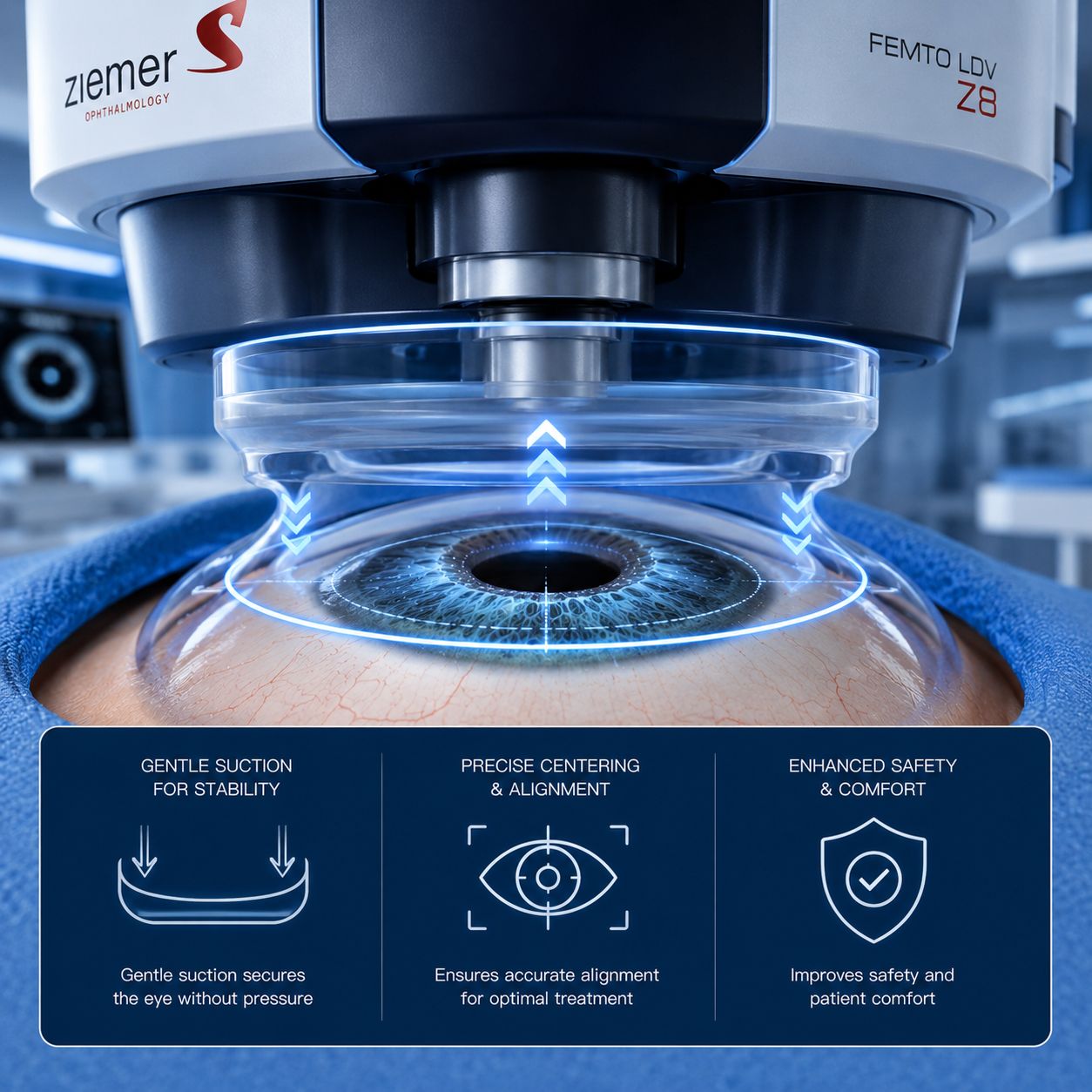
The Ziemer FEMTO LDV Z8 features an advanced docking system that stabilizes the eye gently during the procedure while maintaining optimal alignment throughout treatment. This controlled positioning enhances surgical accuracy, improves patient comfort, and allows the laser to deliver highly consistent corneal vision correction with exceptional precision.
Single-Laser Module

CLEAR refractive surgery is completed using a single femtosecond laser platform that creates both the lenticule and the tiny 2–3 mm micro-incision without requiring a corneal flap or an excimer laser. This streamlined, minimally invasive approach preserves more of the cornea’s natural strength while delivering precise, long-lasting vision correction with a comfortable recovery experience.
Cost of CLEAR Eye Surgery
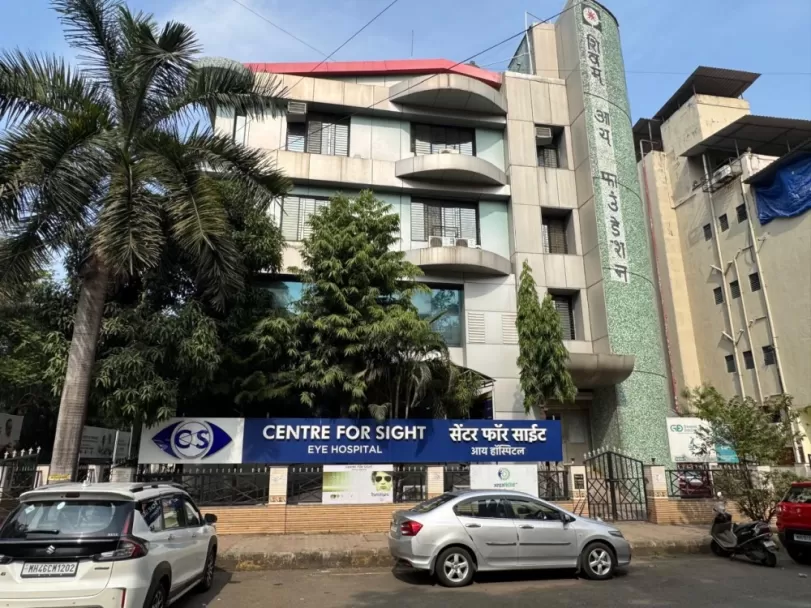
The cost of CLEAR Surgery can vary depending on several factors, including the clinic, surgeon’s experience, and geographic location. At Centre For Sight, it starts at an affordable price for both eyes. It is essential to discuss the costs and available payment plans during the consultation to make an informed decision.
Potential Risks & Complications of CLEAR Surgery
- Temporary Blurred Vision
Mild fluctuations or hazy vision may occur during the initial healing phase and usually improve as the cornea stabilizes.
- Dry Eye Symptoms
Some patients may experience temporary dryness or irritation after CLEAR refractive surgery. Prescribed lubricating eye drops typically help relieve these symptoms.
- Glare, Halos & Light Sensitivity
Temporary glare, halos around lights, or increased sensitivity to bright light may occur, particularly at night, but generally reduce as healing progresses.
- Infection or Inflammation (Rare)
Although uncommon, infection or inflammation can occur after any eye surgery. Following prescribed medications and maintaining good eye hygiene significantly lowers this risk.
- Residual Refractive Error (Uncommon)
In rare cases, a small residual spectacle power may remain. Comprehensive pre-operative planning and precise CLEAR vision correction help achieve highly predictable visual outcomes.
Precautions Before & After CLEAR Surgery
Before Surgery
- Stop Wearing Contact Lenses
Discontinue contact lenses as advised before your evaluation and surgery to ensure accurate corneal measurements.
- Avoid Eye Makeup & Perfumes
Do not wear eye makeup, lotions, perfumes, or hair sprays on the day of surgery to maintain a sterile surgical environment.
- Follow Pre-operative Instructions
Use any prescribed medications and arrive for surgery as directed by your eye specialist.
After Surgery
- Protect Your Eyes & Use Eye Drops
Use prescribed eye drops regularly, avoid rubbing your eyes, and wear protective sunglasses when outdoors.
- Avoid Water, Dust & Strenuous Activities
Refrain from swimming, dusty environments, heavy exercise, and contact sports until your surgeon confirms your eyes have healed adequately. Attend all follow-up appointments to monitor your recovery.
Frequently Asked Questions
What is CLEAR laser eye surgery?
CLEAR laser eye surgery is a next-generation flapless vision correction procedure that uses Corneal Lenticule Extraction to treat myopia and astigmatism through a tiny micro-incision, reducing dependence on glasses or contact lenses.
Who is the ideal candidate for CLEAR refractive surgery?
CLEAR is suitable for adults with a stable vision prescription, healthy corneas, and myopia with or without astigmatism. A comprehensive eye examination is required to determine your eligibility.
Is CLEAR surgery painful?
No. The procedure is performed using numbing eye drops, so most patients experience only mild pressure during surgery with little to no pain.
How long does CLEAR laser eye surgery take?
The laser treatment usually takes only a few minutes per eye, while the entire surgical experience, including preparation, is typically completed within 20–30 minutes.
How soon will I notice clearer vision after CLEAR surgery?
Many patients notice improved vision within the first few days, with vision continuing to stabilize over the following weeks.
Can CLEAR surgery correct both myopia and astigmatism?
Yes. CLEAR vision correction is designed to effectively treat myopia (nearsightedness) with or without astigmatism, depending on your eye condition and clinical suitability.
Is CLEAR better than LASIK?
Both procedures provide excellent visual outcomes. However, CLEAR laser eye surgery is flap-free and preserves more of the cornea’s natural structure, making it a preferred option for many eligible patients.
Will I still need glasses after CLEAR surgery?
Most patients achieve significant freedom from glasses or contact lenses for distance vision. However, reading glasses may still be needed later in life due to natural age-related changes such as presbyopia.
Is the vision correction achieved with CLEAR permanent?
Yes. The corneal reshaping performed during CLEAR refractive surgery is permanent. However, normal age-related eye conditions such as cataracts or presbyopia may still develop in the future.
When can I return to work or daily activities?
Many patients resume routine activities within a day or two, although recovery timelines may vary depending on individual healing and your eye specialist’s advice.
What are the risks associated with CLEAR eye treatment?
CLEAR has an excellent safety profile when performed on suitable candidates. Temporary dry eyes, glare, light sensitivity, or mild visual fluctuations may occur during the healing period and usually resolve with proper care.
How do I know if CLEAR the right vision correction procedure is for me?
A detailed consultation with an experienced eye specialist including advanced corneal imaging and vision assessment will determine whether CLEAR laser eye surgery is the safest and most effective option for your eyes.