Steroid-Induced Glaucoma: Symptoms, Causes & Prevention
- By Centre For Sight
- 7 minutes
Summary: Prolonged or unsupervised use of glaucoma steroids or other corticosteroids can lead to elevated eye pressure and optic nerve damage, resulting in glaucoma. Glaucoma is a disease in which the optic nerve gets damaged, and if left untreated, it can lead to irreversible blindness.This blog explains how steroid-induced glaucoma develops, who is at risk, and how the condition affects eye pressure and vision.
|
Key Takeaways:
|
Introduction
Glaucoma is an eye disease in which the optic nerve becomes damaged, often due to increased fluid pressure inside the eye. If left untreated, it can lead to irreversible vision loss and is one of the leading causes of blindness in people over 60 years of age. Many forms of glaucoma progress silently, showing no early symptoms until significant damage has already occurred.
There are two major types of glaucoma: closed-angle (acute) and open-angle (chronic). Steroid-induced glaucoma is a form of secondary open-angle glaucoma and is also known as steroid-induced ocular hypertension. It develops when steroid medications trigger a rise in eye pressure, affecting the optic nerve over time.
What is Steroid Induced Glaucoma?
Steroid-induced glaucoma occurs due to the use of glaucoma steroids, which are commonly prescribed to manage allergic, inflammatory, and immunologic conditions. Steroids may be taken as eye drops, oral tablets, inhalers, skin creams, or injections. They are often used to treat systemic and ocular diseases. However, unmonitored or prolonged steroid use can increase eye pressure in certain individuals, leading to optic nerve damage. This form of glaucoma due to steroids is especially common with steroid eye drops when used without medical supervision.
Symptoms of Steroid-Induced Glaucoma
Steroid-induced glaucoma is a form of secondary open-angle glaucoma triggered by prolonged use of corticosteroids. Symptoms of steroid induced glaucoma may develop gradually and include:
- Blurred vision
- Eye pain or discomfort
- Halos around lights
- Redness in the eye
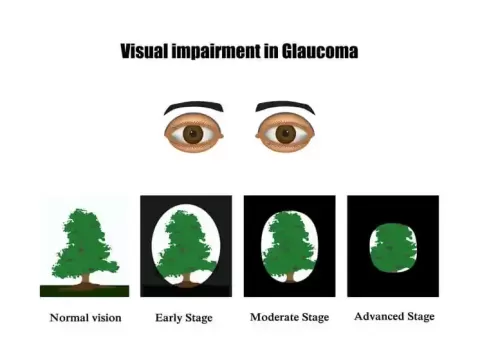
- Gradual loss of peripheral vision
- Elevated intraocular pressure (IOP)
If you experience these symptoms while using steroids, we advise that you consult an eye specialist immediately.
What Causes Steroid-Induced Glaucoma?
Corticosteroids can alter the eye's aqueous fluid drainage system, leading to a rise in intraocular pressure. In susceptible individuals, this response may occur within days to weeks of starting treatment. If unrecognised or unmanaged, the pressure increase can progress to steroid-induced glaucoma. Key reasons include:
- Reduced aqueous outflow: Steroids alter the trabecular meshwork, making it harder for eye fluid to drain, which increases eye pressure.
- Individual sensitivity: Some people are ?steroid responders,? meaning their eye pressure rises quickly even with short-term steroid use.
- Genetic and family history factors: Individuals with glaucoma or a family history of it are more likely to experience steroid-related pressure spikes.
- Existing eye conditions: People with open-angle glaucoma, high myopia, diabetes, or previous eye surgeries are at higher risk.
- Potent or prolonged steroid use: High-dose, long-term, or unsupervised use, especially steroid eye drops, significantly raises the chances of developing ocular hypertension.
- Multiple steroid forms: Steroids used in eye drops, skin creams near the eyes, oral medications, inhalers, or injections can all contribute, depending on dose and duration.
Early detection and reducing the steroid can often reverse the pressure rise. Regular monitoring is essential to prevent long-term optic nerve damage and interrupt the steroid induced glaucoma mechanism before it progresses.
If stopping steroids is not possible, your doctor may adjust the dose or choose safer alternatives. Regular monitoring of eye pressure ensures early detection and timely management of steroid-induced changes.
Ways to Prevent Steroid-Induced Glaucoma
Listed below are some ways by which you can prevent steroid-induced glaucoma:
- Regular dilated eye exams: Routine eye checks help detect glaucoma early. People with glaucoma or those using steroids long-term should undergo more frequent screenings.
- Know your family history: A family history of glaucoma increases your risk. Inform your doctor so they can monitor your eye pressure more closely.
- Use prescribed eye drops: Glaucoma eye drops help reduce high eye pressure. Only use them after consulting an ophthalmologist.
- Protect your eyes: Wear protective eyewear when playing high-impact sports or using power tools to prevent eye injuries.
- Share complete medical information: Tell your doctor about any symptoms (eye redness, headaches, halos), past surgeries, or illnesses. This helps them plan the best treatment for you.
Time plays a crucial role while dealing with steroid-induced glaucoma. Hence, immediate measures should be taken to deal with this eye disorder.
Treating Steroid-Induced Glaucoma
Treatment for steroid-induced glaucoma focuses on lowering eye pressure and preventing further optic nerve damage. The exact plan depends on the severity of the pressure rise and whether the steroid can be reduced or stopped. Steroid glaucoma treatment typically includes the following steps:
- Adjusting or stopping the steroid
The first step is to reduce or discontinue the steroid causing the pressure rise. When needed, doctors may switch you to safer alternatives or non-steroidal medicines to control inflammation.
- Using eye pressure?lowering medications
If pressure remains high, glaucoma eye drops are prescribed. These help by reducing fluid production in the eye or improving drainage. Newer medicines, such as ROCK inhibitors, may be used if standard drops aren't enough.
- Laser treatment
If medicines do not control the pressure, Selective Laser Trabeculoplasty (SLT) or other laser procedures may be advised. These treatments help the eye drain fluid better and can safely lower eye pressure.
- Surgery
When medications and laser treatments are not effective, surgery may be recommended. Options include trabeculectomy, tube shunts, or minimally invasive glaucoma surgeries. These procedures create new pathways for fluid to drain and help keep eye pressure stable.
Conclusion
Steroid-induced glaucoma can be prevented or controlled when steroid use is monitored carefully and any rise in eye pressure is detected early. Understanding the risks, recognising symptoms, and keeping up with regular eye exams are key to protecting long-term vision.
At Centre For Sight, we offer advanced diagnostics and specialised glaucoma care to support patients at every stage. If you are using steroids for any medical condition or have concerns about rising eye pressure, our experts can guide you toward the safest and most effective treatment options.
FAQs
Which steroids cause glaucoma?
Steroids that can cause glaucoma include topical eye drops (like prednisolone), oral corticosteroids, inhaled steroids, and even steroid creams applied near the eyes. Prolonged use increases the risk.
Is steroid-induced glaucoma reversible?
Steroid-induced glaucoma may be reversible if caught early and the use of steroids is discontinued. However, prolonged elevated eye pressure can lead to permanent damage, so prompt treatment is necessary.
What are the symptoms of steroid-induced glaucoma?
Symptoms of steroid-induced glaucoma include:
- Blurred vision
- Eye pain or discomfort
- Halos around lights
- Eye redness
- Gradual loss of peripheral vision
- Increased intraocular pressure (IOP)
What are steroid-induced cataracts and glaucoma?
A steroid-induced cataract is a clouding of the lens in the eye caused by prolonged steroid use, leading to vision impairment. Steroid-induced glaucoma refers to increased intraocular pressure from steroid use, which can damage the optic nerve and lead to vision loss.
How long does it take for eye pressure to go down after steroids?
Eye pressure may start to decrease within a few days to weeks after stopping steroid use. However, the timeline can be different based on the duration of steroid use and the individual's response. Close monitoring by an eye specialist is necessary.
Why do some people get glaucoma from steroids while others don't?
Getting glaucoma from steroids can be due to a set of factors such as genetics, existing glaucoma, family history, and individual sensitivity. Some people's eye-drainage system reacts strongly to steroids, causing pressure to build up resulting in glaucoma while others show minimal or no change.
Which type of steroid (oral, topical, eye drops) carries the highest risk of glaucoma?
Steroid eye drops pose the highest risk because they contact directly with the eye tissues. Long-term or high-potency topical eye steroids can raise pressure faster than oral, inhaled, or skin-applied steroids.
How fast can steroid induced glaucoma develop after starting treatment?
Steroid induced glaucoma typically develops within 2?6 weeks of steroid use, but in highly sensitive individuals eye pressure can rise within a few days after regular use. Prolonged or unsupervised treatment increases the risk significantly.
Can steroid nasal sprays or inhalers raise eye pressure?
Yes, but rarely. Nasal sprays and inhalers generally use low doses, so risk is small. However, long-term use, high doses, or existing glaucoma may still trigger eye-pressure elevation in some individuals.
Are children more sensitive to steroid induced eye pressure changes?
Yes, children often respond more strongly to steroids, especially eye drops, developing higher eye pressure more quickly. Their eyes are more sensitive, making close monitoring essential during steroid treatment.


Could not find what you are looking for?


