Everything You Need to Know About Cataract Surgery
- By Centre For Sight
- 8 minutes
Blog Summary
- Early surgical intervention preserves independence and prevents avoidable lifestyle limitations.
- Modern cataract surgery prioritises precision, safety, and faster visual rehabilitation.
- Lens selection significantly influences long-term visual comfort and spectacle dependence.
- Timely surgery reduces secondary risks affecting retina and overall eye health.
- Experienced surgeons and advanced technology directly impact surgical outcomes and satisfaction.
Cataracts are one of the most common age-related eye conditions, gradually clouding vision and affecting daily life. While early symptoms may seem manageable, cataracts progress over time and eventually require medical intervention. This comprehensive guide explains everything you need to know about cataract surgery, from understanding the condition and treatment options to the surgical process, recovery, risks, and costs, so you can make informed decisions about your eye health with confidence.
What Is a Cataract?
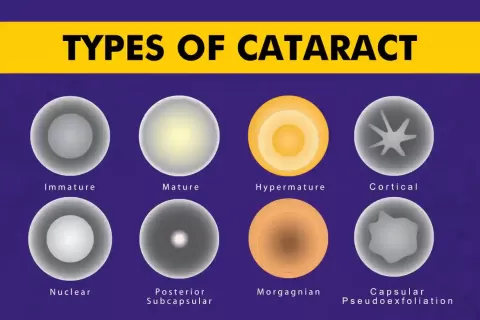
A cataract occurs when the natural lens of the eye becomes cloudy due to ageing, injury, medical conditions like diabetes, or prolonged exposure to UV light. The eye's lens plays a crucial role in focusing light onto the retina. When it turns opaque, vision becomes blurred, faded, or dim.
Common symptoms include:
- Blurry or foggy vision
- Difficulty seeing at night
- Increased glare or light sensitivity
- Faded colours
- Frequent changes in eyeglass prescription
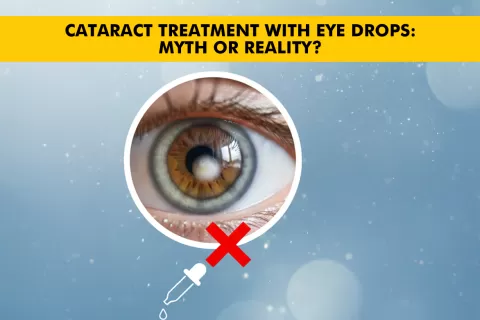
Cataracts do not improve on their own and cannot be treated permanently with medicines or eye drops. Surgery is the only definitive solution.
What Is Cataract Surgery?
Cataract surgery is a procedure that involves removing the cloudy lens of the eye, known as the cataract, and replacing it with an artificial lens called an intraocular lens (IOL). The surgery aims to improve vision and restore clarity to the affected eye.
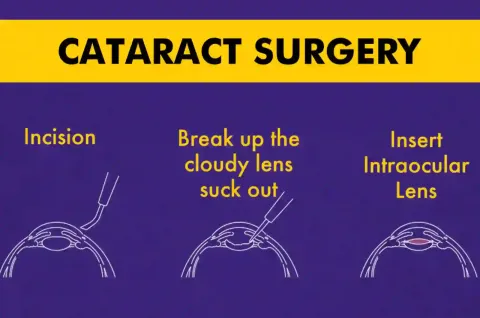
During the procedure, the surgeon makes a small incision in the eye and uses advanced techniques, such as phacoemulsification, to break up and remove the cataract. The IOL is then inserted into the eye to replace the natural lens. Cataract eye surgery is typically performed on an outpatient basis and is considered to be a safe and effective treatment option for individuals with cataracts.
When To Go For Cataract Surgery?
Determining the right time to undergo cataract surgery is a crucial aspect. The decision is often based on the impact cataracts have on your daily life and vision. If you find yourself experiencing difficulties like blurry vision, increased sensitivity to light, or trouble with night vision, it might be an indication that cataract surgery could significantly improve your quality of life. Additionally, if cataracts start interfering with your ability to perform routine activities such as reading, driving, or recognizing faces, it may be time to consider surgery.
However, the decision isn't solely based on the severity of symptoms of cataract. Your eye doctor will assess the overall health of your eyes, examine factors like the progression of cataracts, the impact on your daily activities, and your personal preferences. It's essential to have open and honest discussions with your eye care professional to determine the optimal timing for cataract surgery that aligns with your individual needs and lifestyle. Regular eye examinations will play a crucial role in monitoring the progression of cataracts and guiding you towards the right time to undergo this safe and effective surgical intervention.
Also read about what are the different types of cataract lenses.
Cataract Treatment Options: When Is Surgery Needed?
In the early stages, stronger lighting, updated glasses, or anti-glare lenses may temporarily help manage symptoms. However, these are supportive measures, not permanent solutions.
Among all cataract treatment options, surgery is recommended when:
- Vision impairment interferes with daily activities
- Driving, reading, or recognising faces becomes difficult
- Glare affects night driving
- Cataracts prevent the treatment of other eye conditions
The decision to undergo surgery is based not on cataract ?maturity? but on how much it affects your quality of life. An ophthalmologist will assess your eye health, lifestyle needs, and visual goals before recommending surgery.
Cataract Surgery Procedure: What Happens During Cataract Surgery?
Here's a step-by-step breakdown of what typically happens before and after cataract surgery, as well as during the cataract operation procedure:
- Preparation: Before the surgery begins, your eye will be numbed with local anaesthesia to ensure you're comfortable throughout the procedure. You may also receive a sedative to help you relax.
- Incision: To access the cataract, the surgeon makes a small incision in the cornea. This incision may be so tiny that stitches are often unnecessary.
- Capsulotomy: Once the incision is made, a circular opening is created in the front part of the thin membrane surrounding the natural lens, called the lens capsule. This step is a critical part of the cataract operation procedure, allowing safe access to the cloudy lens.
- Breaking Up the Cloudy Lens: The cloudy lens (cataract) is then broken into smaller fragments using a specialised ultrasound device called a phacoemulsifier or femtolaser. The tiny pieces are suctioned out of the eye.
- Intraocular Lens (IOL) Placement: With the cataract removed, an artificial intraocular lens (IOL) is inserted through the same incision. The IOL serves as a replacement for the natural lens, restoring clear vision.
- Closure: In many cases, the incision is self-sealing and doesn't require stitches. The natural healing process helps close the incision.
Types of Intraocular Lenses (IOLs)
Choosing the right IOL is a crucial part of cataract surgery. Options include:
- Monofocal lenses: Correct vision at one distance (usually far)
- Multifocal lenses: Reduce dependence on glasses for near and distance vision
- Toric lenses: Correct astigmatism
- Extended depth of focus lenses: Provide a continuous range of vision
Your surgeon will recommend the most suitable lens based on your eye condition and lifestyle.
Recovery After Cataract Surgery: What to Expect
Recovery after cataract surgery is usually quick and uncomplicated.
Immediate Post-Surgery
- Mild discomfort, watering, or foreign body sensation is normal
- Vision may be blurry initially, but it improves within a few days
- A protective eye shield may be used
First Few Weeks
- Eye drops are prescribed to prevent infection and inflammation
- Avoid rubbing the eye, heavy lifting, and strenuous activity
- Sunglasses help reduce light sensitivity
Most patients resume normal activities within a week, while full visual stabilisation may take 3-4 weeks.
What Are the Advantages of Cataract Surgery?
Cataract surgery offers several advantages for individuals with cataracts. These include:
- Improved Vision: Cataract surgery can restore clear vision, allowing you to see objects more sharply and vividly.
- Enhanced Quality of Life: By removing the clouded lens, cataract eye surgery can improve your ability to perform daily activities, such as reading, driving, and enjoying hobbies.
- Reduced Dependence on Glasses: In many cases, cataract surgery can reduce or eliminate the need for glasses or contact lenses, particularly for distance vision.
- Long-Term Results: Once a cataract is removed, it does not grow back, meaning the results of cataract surgery are typically permanent.
How to Prepare for Cataract Surgery?
Preparing for cataract surgery involves a few important steps to ensure a successful procedure and recovery.?
- Consultation with an Eye Care Professional: Schedule an appointment with an eye doctor or ophthalmologist to evaluate your eye health and discuss the surgery.
- Medical Evaluation: Your eye care professional may request a medical evaluation to assess your overall health and identify any potential risks or complications.
- Medication Review: Inform your doctor about any medications or supplements you are taking, as some may need to be temporarily discontinued before the surgery.
- Preoperative Instructions: Follow any preoperative instructions provided by your surgeon, such as fasting before the surgery or avoiding certain medications.
- Arrangements for Transportation: Since you may not be able to drive immediately after the surgery, arrange for someone to accompany you and drive you home.
What Are the Risks and Side Effects of Cataract Surgery?
Like any surgical procedure, cataract surgery carries some potential side effects and risks too. However, the majority of individuals experience successful outcomes with minimal complications.
Some common side effects after cataract eye surgery include temporary blurry or distorted vision, sensitivity to light, mild discomfort or itching, and the need for a new glasses prescription. Serious complications, such as infection or bleeding, are rare but can occur. It is important to promptly report any severe pain, sudden vision changes, or increased redness or swelling to your surgeon.
Overall, cataract eye surgery is a safe and well-tolerated procedure that can significantly improve your vision and quality of life.
Cataract Surgery Cost: What Factors Influence Pricing?
The cataract surgery cost depends on multiple factors, including:
- Type of surgery (standard or laser-assisted)
- Choice of IOL
- Surgeon's expertise
- Hospital infrastructure and technology
The cataract surgery cost usually includes surgeon fees, operating facility charges, anaesthesia, lens implantation, and follow-up care. Additional diagnostic tests may add to the total. At Centre For Sight, cataract surgery cost starts from an affordable ?20,000, making advanced eye care accessible without compromising quality.
Why Centre For Sight?
- Pioneers of modern bladeless robotic cataract surgery.
- Pioneers of advanced laser systems called Femto cataract surgery in India.
- Presence of over 75 Centres across 30 Cities in 15 States of India.
- All centers equipped with the latest state of the art machines and equipment
- Highly experienced surgeons hand-picked from India's reputed medical institutions.
Frequently Asked Questions
Will I still need glasses after cataract surgery?
Can my diet influence the recovery process after cataract surgery?
Can cataract surgery be done on both eyes at one time?
What if my cataract surgery doesn't work?
What if my vision gets cloudy after surgery?
Is cataract surgery painful?
How long does cataract surgery take?
When can I resume normal activities after cataract surgery?
Can cataracts return after surgery?
Do I need glasses after cataract surgery?
Is cataract surgery safe for elderly patients?

Could not find what you are looking for?


