Mature Cataract ? Understanding Its Causes, Symptoms, and Treatment
- By Centre For Sight
- 8 minutes
Blog Summary
- A mature cataract is a fully developed cataract; the lens is mostly/fully opaque and blocks light, causing very poor vision.
- How it looks?: Severe blur, strong glare, washed-out colours; the pupil looks white. An eye sign, a doctor's note, is an absent iris shadow.
- ?Ripe? cataract: Older term for a mature cataract that's ready for removal.
Colours matter:
- White (total opacification), cortical.
- Brown/brunescent (very hard nuclear lens; surgery needs extra care).
- Milky/grey (can progress quickly in some conditions).
- Why it happens: Aging is most common; risks include diabetes, long-term steroids, heavy UV, smoking/alcohol, prior eye injury/surgery, and family history.
- Why not to wait too long?: Advanced lenses can raise eye pressure, trigger inflammation, and make retina checks/treatment harder.
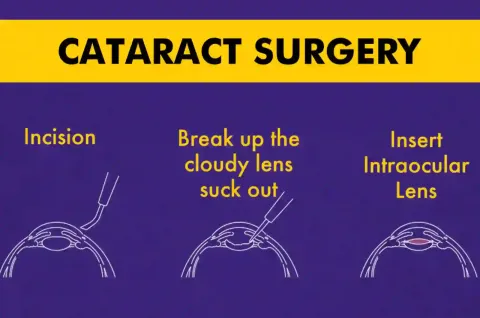
- Treatment: Surgery only, remove the cloudy lens and place a clear IOL. Options include phacoemulsification (with special dyes/techniques), SICS/ECCE for very dense lenses, or laser-assisted steps.
- When to act?: If vision limits reading, work, or safe driving (especially at night), or if there's pain/redness/pressure.
- Recovery: Day-care procedure; drops for a few weeks; avoid rubbing, heavy lifting, and swimming briefly; sunglasses outdoors; attend follow-ups.
- Prevention: You can't stop age-related cataracts, but UV protection, diabetes control, no smoking, and regular eye checks can delay progression.
Mature cataract is when the eye's natural lens has turned fully cloudy, blocking light and causing very poor vision. The hard part is knowing when it has progressed this far and what it means for daily life; glare, white pupil and even an absent iris shadow are common signs. In many cases, timely cataract surgery becomes the only effective way to restore vision.
In this guide, you'll learn what a mature cataract is, why it happens, the symptoms to watch for, and how modern surgery can safely restore clarity.
What is a Mature Cataract?
A mature cataract refers to a fully developed cataract where the lens has turned completely opaque, significantly impacting vision. It occurs when proteins in the lens degrade and accumulate, obstructing the passage of light. Unlike an early-stage cataract, where some transparency remains, a mature cataract entirely prevents light from reaching the retina, leading to severe vision loss.
Mature Cataract Meaning
The term "mature cataract" indicates that the cataract has progressed to a stage where the entire lens is cloudy. This condition prevents light from passing through and forming clear images on the retina. Patients with mature cataracts may only be able to differentiate between light and darkness without the ability to recognize objects or details. The progression from an immature to a mature cataract can take years, depending on individual health factors.
Read Also: Difference between mature and immature cataracts
Causes of Mature Cataracts
Several factors contribute to the development of a mature cataract, including:
- Aging: The most common cataract cause, as proteins in the lens break down over time, leading to clouding and is termed as mature senile cataract.
- Diabetes: High blood sugar levels can cause sugar deposits in the lens, accelerating cataract formation.
- UV Exposure: Prolonged exposure to ultraviolet (UV) radiation from the sun can lead to oxidative damage to the lens proteins.
- Smoking and Alcohol Consumption: Both contribute to oxidative stress and damage to lens fibers, increasing the risk of cataract formation.
- Eye Injuries and Trauma: Blunt or penetrating injuries to the eye can accelerate cataract formation by causing lens damage.
- Prolonged Use of Steroids: Certain corticosteroids, when used over a long period, can increase susceptibility to cataracts.
- Genetic Factors: A family history of cataracts can increase the likelihood of earlier cataract development.
Symptoms of Mature Cataract
Mature cataracts cause pronounced vision impairment. Common symptoms include:
- Blurry or Obstructed Vision: Complete loss of clear vision due to a fully opaque lens.
- Difficulty Recognizing Faces and Objects: Even from a short distance, familiar objects may appear unrecognizable.
- Increased Sensitivity to Bright Light and Glare: Sunlight or artificial lights may seem overly bright or produce discomfort.
- A Visible Whiteness or Cloudiness in the Pupil: The lens takes on a whitish or brownish hue, noticeable to others.
- Loss of Contrast Sensitivity: Differentiating between similar shades or textures becomes challenging.
- Absence of an Iris Shadow: Since no light passes through the opaque lens, there is no shadow formation on the iris.
Why is Iris Shadow Absent in Mature Cataracts?
In an immature cataract, some light still passes through, creating an iris shadow when examined using a slit lamp. However, in a mature cataract, the lens becomes fully opaque, preventing any light from passing through. As a result, the iris shadow is absent because no light can be refracted or dispersed within the eye. This absence is a key diagnostic feature used by ophthalmologists to differentiate between mature and immature cataracts.
What Does Ripe Cataract Mean?
A "ripe cataract" is an older term used to describe a mature cataract that has reached a stage where surgical removal is necessary. It signifies that the cataract has fully developed, leading to severe vision impairment. The term was historically used to determine the optimal time for cataract treatment, but modern surgical advancements allow removal at earlier stages.
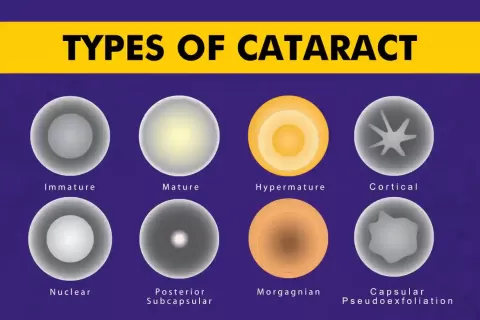
Mature Cataract Colour and Its Significance
The colour of a mature cataract typically varies from white to deep brown. The variation depends on the type of cataract:
- White Mature Cataract: Indicates total opacification of the lens, often seen in advanced cortical cataracts.
- Brown (Brunescent) Cataract: Occurs in nuclear cataracts and can make surgery more challenging due to lens hardening.
- Milky or Grey Cataract: Common in certain metabolic disorders, leading to rapid lens opacification. Understanding the colour helps ophthalmologists plan the most effective surgical technique for lens removal.
Treatment Options for Mature Cataract
The primary treatment for a mature cataract is cataract eye surgery, which involves replacing the cloudy lens with an artificial intraocular lens (IOL). The main procedures include:
- Phacoemulsification: Uses ultrasound waves to break the cataract before removal, performed through a small incision.
- Extracapsular Cataract Extraction (ECCE): Suitable for dense cataracts, requiring a larger incision to remove the opaque lens in one piece.
- Intracapsular Cataract Extraction (ICCE): A rarely used technique where the entire lens and capsule are removed.
Risks and complications of untreated mature cataract
If left untreated, mature cataracts can lead to:
- Blindness: Complete loss of functional vision.
- Lens-induced Glaucoma: Increased intraocular pressure causing optic nerve damage.
- Intraocular Inflammation: Leading to pain, redness, and possible infection.
- Difficulty Performing Daily Activities: Severely impacting independence and quality of life.
Recovery and aftercare post-cataract surgery
Post-surgery recovery is generally smooth with proper care. Key aspects include:
- Avoiding strenuous activities for at least four weeks.
- Using prescribed eye drops to prevent infection and inflammation.
- Protecting eyes from bright light with sunglasses.
- Following up with the ophthalmologist for regular check-ups.
Prevention and eye care tips
While aging-related cataracts cannot be entirely prevented, certain measures can delay their onset:
- Wearing UV-protective sunglasses.
- Managing diabetes effectively to prevent metabolic cataract formation.
- Maintaining a diet rich in antioxidants like vitamin C and E.
- Avoiding smoking and excessive alcohol consumption.
- Regular eye check-ups for early detection.
Conclusion
Mature cataracts cause severe vision impairment and require surgical intervention for visual restoration. Early detection and timely treatment can prevent complications. Regular eye check-ups and protective measures can help maintain eye health and delay cataract progression.
Frequently Asked Questions
What is a Mature Cataract?
What is the maturation of cataract?
How do you treat mature cataracts?
What are the risks associated with untreated mature cataracts?
What are the surgical options for treating a mature cataract?
How much does treating mature cataracts cost?
Is a mature cataract curable?
What is the difference between mature and hypermature cataracts?
How does a mature cataract affect vision?
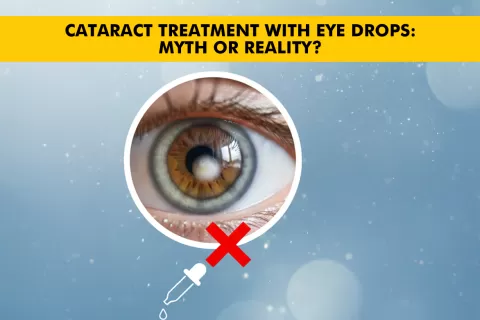
Can a mature cataract be treated without surgery?
How long does it take to recover from mature cataract surgery?
What happens if a mature cataract is left untreated?
Is cataract surgery painful?
Can phacoemulsification be done in mature cataracts?

Could not find what you are looking for?


