5 Cataract Symptoms in Elderly Parents You Should Not Ignore
- By Centre For Sight
- 6 minutes
Blog Summary
- Cataract symptoms in elderly parents are missed because families assume the changes are just normal ageing.
- Common home complaints that can signal cataract include frequent glasses-number changes, glare from bright lights, foggy or hazy vision, difficulty with night driving, and halos or double vision.
- A parent saying ?my glasses keep changing? can be an important clue, because cataract can alter focusing and make spectacles feel outdated again and again.
- Glare and light sensitivity from sunlight, headlights, or indoor lights are another common sign, caused by light scattering through the cloudy lens.
- If they keep saying ?everything looks foggy? or keep cleaning their spectacles, the blur may not be on the glasses at all, it may be coming from the eye's natural lens.
- Night driving becoming difficult or scary is a major functional warning sign, and it affects both independence and safety in older adults.
- Halos around lights or double vision in one eye should not be ignored, especially if the change is new or worsening.
- These symptoms do not confirm cataract on their own, because dry eye, glaucoma, and retina problems can look similar, which is why a dilated eye exam is the right next step.
- Cataract is a major cause of vision loss in older Indian adults, but it is also treatable, so noticing these repeated complaints early can help protect comfort, confidence, and independence.
This blog is about the small complaints parents repeat at home that can quietly point to a cataract.?
The problem is that these changes get blamed on ?age,? so families keep adjusting glasses instead of checking the real cause.?
In this blog, you'll learn the early signs of cataract in old age, common cataract symptoms in elderly parents, and the next steps if you notice signs of cataract in elderly.
Why Cataracts Need Early Attention In Older Adults?
A cataract is a clouding of the eye's natural lens, so light doesn't pass through cleanly anymore.?
That's why vision starts feeling ?hazy,? glare becomes annoying, and night driving becomes risky. Cataract has no early symptoms, and later symptoms can include blurry vision, light sensitivity, trouble seeing at night, and double vision.
In India, cataract is a major reason older adults lose vision even though it's treatable. A national analysis published in the Indian Journal of Ophthalmology reports cataract contributes to 66.2% of blindness and 71.2% of visual impairment in adults aged 50+.?
Cataract Symptoms In Elderly Parents: 5 Complaints To Take Seriously
These are the complaints families hear most at home. One symptom alone doesn't confirm cataract, but a pattern is a strong reason to book an eye exam.
| What does your parent say? | Why does cataract cause it? | Short-term help at home | Best next step |
| Glasses keep changing? | Lens clarity changes affect focusing | Better lighting for reading | Dilated eye exam |
| Lights hurt / glare is bad? | Light scatter from cloudy lens | Sunglasses outdoors | Eye exam + glare history |
| Vision is foggy? | Clouded lens reduces contrast | Increase contrast/font size | Eye exam + refraction |
| Night driving is hard? | Night glare + reduced clarity | Avoid night driving | Cataract evaluation |
| Halos / double vision? | Light scattering, image splitting | Avoid night driving | Prompt eye check |
1. ?My glasses number keeps changing?
Frequent changes in spectacles can happen when the lens clarity changes, and cataract is a known reason for this.
How does it sound at home?
- ?These new glasses were fine last year, now they feel useless.?
- ?I see better some days, worse on others.?
What to do?
- Don't keep buying new glasses repeatedly.
- Book a dilated eye exam, because prescription changes can also happen with other eye issues (and your doctor needs to confirm the cause).
2. ?Bright lights feel too harsh? (glare and light sensitivity)
If headlights, sun glare, or tube lights feel uncomfortable, cataract is one possible reason.
How does it sound at home?
- Your parents avoid sitting near the window at noon.
- They complain, ?That light is stabbing my eyes,? even indoors.
What to do?
- Note when it happens most (night driving vs sunlight vs indoor lights).
- Ask the doctor specifically about cataract and other glare-causing problems during the exam.
3. ?Everything looks foggy like a film is there? (blur/haze)
Many parents keep cleaning their spectacles because they think the lens is dirty, but the haze can be coming from inside the eye.
What to do?
- Ask them to cover one eye at a time and look at the same object (TV subtitles, calendar, a face).
- If one eye is consistently hazier, that's a useful clue to share with the doctor.
4. ?Night driving feels scary now? (poor night vision)
Cataract commonly affects night vision earlier than people expect. Poor night vision isn't just discomfort, it's a safety issue, especially with stairs, uneven roads, and driving.
How does it sound on the road?
- I can't judge the road well at night.?
- Headlights blind me.?
- They stop driving after sunset or avoid highways.
What to do?
- Schedule an eye appointment with a doctor as soon as possible because apart from inconvenience it can harm the safety of your parents.
5. ?I see rings around lights? or ?two images? (halos/double vision)
Halos around lights and double vision in one eye can happen with cataract because the cloudy lens scatters incoming light.
What to do?
- If it's sudden and severe, don't wait, book an eye visit quickly.
- Mention whether it's only in one eye (common in cataract-related double vision) or both (can suggest other causes).
What Else Can Look Like Cataract?
Some symptoms overlap with other eye problems, which is why ?self-diagnosis? isn't enough. This is exactly why doctors recommend a dilated eye exam for diagnosis.
- Dry eye can cause fluctuating blur and burning.
- Glaucoma doesn't cause early symptoms, but sudden pain/redness can be an emergency.
- Retina problems (especially in diabetes) can cause blur even with clear lenses.
Conclusion
Parents rarely say ?I think I have cataract?, they complain about blur, glare, night driving, or constant glasses changes. Those can be real cataract symptoms in elderly parents, and the safest move is to confirm the cause early with a proper eye exam.??
Because cataract is a leading cause of vision loss in older Indian adults, catching the early signs of cataract in old age can protect independence and safety at home.
If you're noticing repeated signs of cataract in elderly at home, book a dilated check-up and bring a short list of the exact complaints, your doctor can decide the right timing and treatment.
Frequently Asked Questions
What are the earliest symptoms of cataract in older adults?
Do cataracts really cause frequent glasses number changes?
Why do elderly parents see halos around lights?
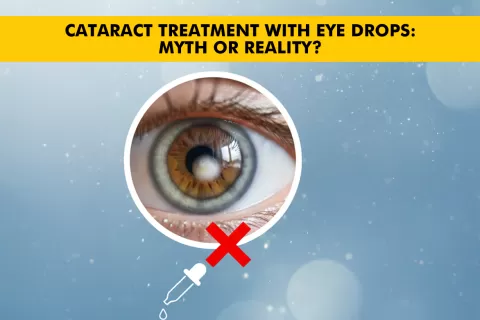
Can cataract be cured with eye drops or medicines?
When should I take my parents for a cataract check-up?

Could not find what you are looking for?


