What are the Sings and Symptoms of Cataracts?
- By Centre For Sight
- 6 minutes
Blog Summary
- Cataract-related vision changes often begin subtly, making early attention crucial for outcomes.
- Persistent glare sensitivity and difficulty with night vision are common early symptoms of cataract development.
- Professional eye examinations distinguish cataracts from other visually similar eye conditions.
- Diagnosis of early cataract symptoms enables better timing and planning of surgical intervention.
- Timely cataract surgery restores functional vision, safety, and long-term independence.
Cataracts affect millions of people worldwide and are a common cause of blurred vision, especially with advancing age. Identifying cataract symptoms early and understanding how to detect cataract can make a significant difference in preserving clear sight. While cataracts often develop slowly, subtle changes in vision might be the first indication that medical attention is needed. Early detection supports timely treatment planning, including cataract diagnosis and surgery when appropriate, to restore vision quality and improve quality of life.
In this blog, we'll take you through a complete guide on the sign and symptoms of cataract, how they affect your vision, the importance of early diagnosis, the benefits of cataract surgery, and more, so you can make the right decision for your eyes.
How Cataracts Affect Vision: Subtle Changes to Watch For
Cataract development involves the gradual clouding of the eye's lens. In the early stages, changes are often so slight that they may go unnoticed during daily routines. However, as the lens becomes increasingly opaque, light transmission is affected, leading to noticeable visual disturbances.
Even though cataracts typically progress slowly, there are some consistent cataract symptoms and signs that patients report. Identifying these early can help you seek an eye examination without delay and allow for better planning of possible treatments.
These eye cataract symptoms often begin subtly and may only become apparent when performing activities such as reading, driving, or working in low light.
Common Early Signs and Symptoms of Cataracts
Understanding cataract signs and symptoms is essential because early recognition allows timely consultation and better treatment outcomes. Below are some of the most common signs of cataract in the eye:
| Symptom? | What does it mean? |
| Blurred or cloudy vision that doesn't improve | One of the most common early signs of cataract is vision that appears blurred, cloudy, or hazy, even when using corrective lenses. People often describe this as feeling like they're looking through a foggy window. For many individuals, what is the first sign of cataracts is persistent blurred or hazy vision that does not improve with glasses or contact lenses. |
| Increased sensitivity to glare and bright lights | Another key symptom is heightened sensitivity to light and glare. Bright sunlight or headlights might cause discomfort or dazzle your vision more than before, making everyday tasks like driving at night challenging. |
| Seeing halos or rings around lights | Many people with early cataracts notice halos, rings, or starbursts around lights, especially at night. This effect often becomes more pronounced in dim environments. |
| Fading or yellowing of colours | Changes in colour perception are a less obvious but one of the important symptoms of cataract eye. Colours may appear dull, muted, or yellowish as the lens loses clarity. |
| Frequent changes in prescription | If your eyeglasses or contact lens prescription seems to change frequently without corresponding improvements in vision, it could suggest early lens clouding. This is often an overlooked early indicator. |
| Difficulty seeing at night | Night vision may deteriorate before daylight vision because reduced light levels make the effects of lens clouding more apparent. Difficulty reading street signs or navigating dimly lit areas can be early warning signs. |
| Occasional double vision in one eye | Some individuals experience double vision or multiple images in one eye, not both, which can be associated with uneven clouding of the lens. This symptom may come and go in the early stages. |
How to Detect Cataracts: When to Seek an Eye Examination
If you notice any of the cataract sign and symptoms discussed above, the next step is to consult an eye care professional, typically an optometrist or ophthalmologist. Early detection is key for planning care and determining whether vision changes are due to cataracts or another eye condition.
Comprehensive Eye Examination: Step by Step
| Step? | Description? |
| Detailed Symptom Review and Medical History? | A full evaluation begins with a conversation about your visual changes, lifestyle, and risk factors such as age, long-term sun exposure, diabetes, or a history of eye injuries.? |
| Visual Acuity Test? | Measures how clearly you see at different distances using a letter chart. It provides baseline information about how much vision is affected.? |
| Slit-Lamp Examination? | A specialised microscope is used to examine eye structures in detail. It helps detect cloudiness in the lens, which may indicate cataracts.? |
| Dilated Eye Exam? | Eye drops are used to widen pupils, allowing thorough inspection of the lens, retina, and optic nerve for a clearer understanding of cataract impact.? |
| Refraction and Prescription Testing? | Assesses how light bends in your eye to determine if vision changes are due to cataracts, prescription changes, or other causes.? |
Other Conditions That May Mimic Cataract Symptoms
Some eye diseases share similar symptoms with cataracts, like glaucoma or macular degeneration. That's why professional eye examinations are essential, not just self-evaluation. For example, double vision might also occur with corneal issues, and glare sensitivity can appear with retinal disorders. Comprehensive eye checks help ensure accurate diagnosis and appropriate treatment.
Why Timely Cataract Diagnosis and Surgery Matters
Once a cataract is diagnosed, the need for surgery depends on how much your daily life is affected. In the early stages, stronger glasses, brighter lighting, or anti-glare eyewear may help with vision challenges. However, cataracts generally worsen over time and eventually interfere with routine tasks like reading, driving, or recognising faces.
What Cataract Surgery Involves
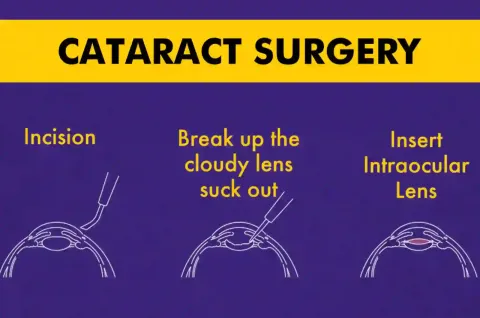
Cataract surgery is one of the most commonly performed surgical procedures worldwide and also one of the safest. It involves removing the cloudy natural lens and replacing it with an artificial intraocular lens (IOL). This restores clear vision and eliminates the visual symptoms caused by the cataract.
Benefits of Timely Surgery
- Improved Vision: Most patients experience significant improvements immediately after surgery.
- Reduced Fall Risk: Better sight enhances balance and reduces injury risk.
Greater Independence: Clear vision helps you maintain autonomy in daily activities. - Enhanced Quality of Life: Brighter, sharper sight improves overall well-being.
Delaying surgery when vision is significantly affected can allow symptoms to worsen, making daily life more difficult and increasing the potential for accidents. A timely surgical intervention often leads to better outcomes and quicker recovery.
Regular Eye Exams: Your Best Defence
Even if you're not currently experiencing motiyabind symptoms, regular eye examinations are still essential, especially as you age or if you have risk factors such as diabetes or prolonged sun exposure. Routine exams help detect cataracts and other eye conditions in their earliest stages, allowing for appropriate management before vision deteriorates markedly.
Consult Your Ophthalmologist
Even though trying to understand your eyes and the various diseases it can suffer from is noble but you should always entrust the words of a professional over your independent research. If you want to know more about cataracts, you should consult with your ophthalmologist to find out how symptoms of cataract in eye can affect you or your loved ones.
Frequently Asked Questions
What are the symptoms of cataract to watch for?
What are the early signs of cataract development?
How to detect cataract before vision worsens significantly?
How does an eye specialist confirm a cataract diagnosis?
When is cataract surgery usually recommended?
Are cataracts only age-related?
How long does cataract surgery take and is it safe?
Can cataracts develop without noticeable symptoms?

Could not find what you are looking for?


