Neuro Ophthalmology - Know How the Brain Affects your Vision
- By Centre For Sight
- 6 minutes
Blog Summary
Neuro?ophthalmology is a specialised field that bridges neurology and ophthalmology to diagnose visual problems caused by neurological conditions. Even when conventional tests look normal, subtle brain-related diseases can impair vision, so detailed medical history and careful physical examination are vital. Neuro?ophthalmologists assess disorders such as optic neuritis, papilledema, brain tumours, strokes, seizures, and eye?muscle spasms. The diagnostic process includes eye?movement tests, visual field screening, OCT, contrast and colour vision checks, plus brain imaging (MRI/CT) or even lumbar puncture. Centre for Sight provides comprehensive evaluation and expert care for these complex conditions.
- Neuro?ophthalmology studies how brain and nerve disorders affect the visual system.?
- Important conditions include optic neuritis, brain tumours, strokes, and nerve-related spasms.?
- Diagnostic tests may include eye?movement evaluation, visual field screening, OCT, CT/MRI, and lumbar puncture.?
- A detailed medical history and physical exam are critical since standard tests can be normal despite serious disease.?
- The evaluation is thorough and may take a few hours, but it leads to precise diagnosis and treatment planning.
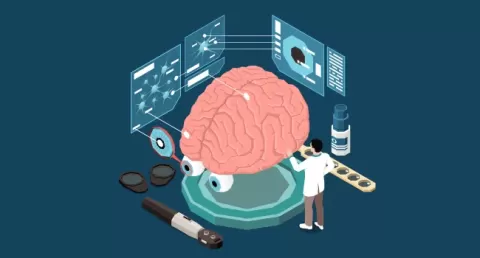
Vision is not controlled by the eyes alone. Every image you see is processed, interpreted, and understood by the brain. When there is a disruption anywhere along this complex eye-brain pathway, vision can be affected in ways that are often confusing, subtle, or alarming. This is where neuro ophthalmology plays a crucial role.
What is Neuro Ophthalmology?
Neuro ophthalmology is an academically driven subspecialty that deals with disorders of vision related to the nervous system. These disorders may involve the optic nerve, visual pathways in the brain, eye movement control centres, or the connections between the brain and the eyes.
A key feature of neuro-ophthalmic diseases is that standard diagnostic tests may appear normal, even when a patient has significant symptoms. This makes clinical evaluation, including listening carefully to the patient's history and performing a thorough physical examination, especially important. As a result, neuro ophthalmologists typically spend more time with patients than in routine eye examinations.
Most commonly, a neuro-ophthalmologist deals with different visual system disorders such as optic neuritis, optic neuropathy, papilledema, brain tumours, strokes, blepharospasm, seizures of the eye or eye muscles, and hemifacial spasm.
How the Brain Influences Vision?
Vision begins when light enters the eye, but it does not end there. Signals travel from the retina through the optic nerve, cross at the optic chiasm, and move through multiple brain regions before forming a visual perception. Any disruption along this pathway can lead to:
- Blurred or dim vision
- Loss of peripheral or central vision
- Double vision
- Visual field defects
- Difficulty with colour or contrast perception
Because these issues originate beyond the eyeball, they often require neurological evaluation alongside eye examinations.
Conditions Commonly Treated in Neuro Ophthalmology
A neuro ophthalmologist manages a wide range of conditions, many of which may be associated with systemic or neurological diseases. Common conditions include:
- Optic neuritis ? inflammation of the optic nerve, often linked with multiple sclerosis
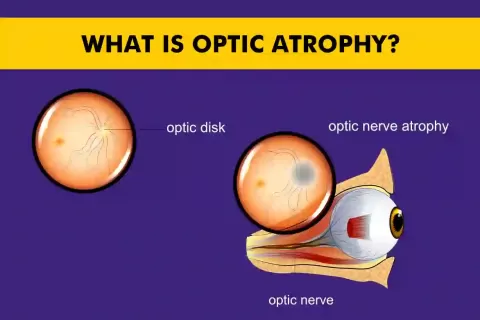
- Optic neuropathy ? damage to the optic nerve due to vascular, toxic, nutritional, or hereditary causes
- Papilledema ? swelling of the optic disc due to raised intracranial pressure
- Brain tumours affecting the visual pathways
- Stroke-related visual loss
- Double vision (diplopia) caused by nerve or muscle involvement
- Blepharospasm ? involuntary eyelid spasms
- Hemifacial spasm ? involuntary twitching on one side of the face
- Seizures affecting eye movements or visual perception
These conditions often require collaboration between ophthalmologists, neurologists, neurosurgeons, and radiologists.
When Should You See a Neuro Ophthalmologist?
You may be referred to a neuro ophthalmologist if you experience:
- Sudden or unexplained vision loss
- Persistent double vision
- Visual field defects (missing areas in vision)
- Eye movement abnormalities
- Vision problems with normal eye examination findings
- Headaches associated with visual symptoms
Early evaluation is essential, as many neuro-ophthalmic conditions are time-sensitive and may indicate serious underlying neurological disease.
Diagnostic Tests Used in Neuro Ophthalmology
While patient history and examination remain central, several specialised tests help confirm a diagnosis. Your eye doctor may recommend one or more of the following:
- Orthoptic evaluation to assess eye alignment and coordination
- Evaluation of ocular movements to detect nerve or muscle dysfunction
- Diplopia charting to analyse double vision patterns
- Neurological visual field screening to identify visual pathway defects
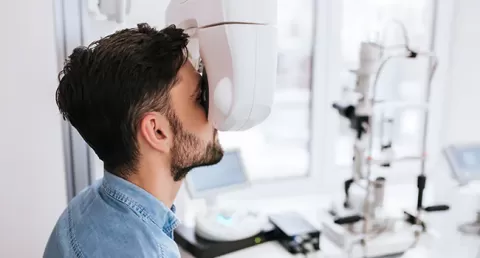
- Optical coherence tomography (OCT) of the optic nerve head
- Contrast sensitivity and colour vision testing
- Imaging studies, including CT scan, MRI, and MR venogram
- Lumbar puncture, when necessary, to assess intracranial pressure or inflammation
These tests help localise the problem within the visual neurological pathway.
Preparing for Your Neuro Ophthalmology Appointment
To ensure a comprehensive evaluation, patients are advised to prepare in advance:
- Share all relevant medical records, including office notes, laboratory reports, and imaging results
- Bring actual CT or MRI films or digital copies, not just written reports
- Carry a complete list of medications, including dosages and over-the-counter drugs
- Inform the doctor about any medication allergies
Good preparation helps the specialist make accurate and timely clinical decisions.
What to Expect During the Evaluation?
A neuro-ophthalmologic evaluation is one of the most detailed examinations in eye care and may take several hours.
Your pupils will be dilated using eye drops. The effects last about four hours and may cause light sensitivity and blurred near vision. It is advisable to:
- Bring sunglasses
- Arrange for someone to drive you home
Avoid eye makeup, as it can interfere with examination and may smudge during dilation.
Detailed Medical History
The doctor will ask about your current symptoms, onset, progression, and associated medical conditions. A complete review of systemic health is essential.
Comprehensive Eye Examination
This includes:
- Visual acuity testing
- Colour and contrast vision assessment
- Peripheral vision (visual field testing)
- Optic nerve and retinal evaluation
Neurological Examination
Depending on your symptoms, a partial or complete neurological exam may be performed to assess strength, sensation, reflexes, and coordination.
Review of Previous Records
Past scans and reports play a vital role in diagnosis. The neuro ophthalmologist will carefully review all previous investigations.
After the Examination: Diagnosis and Treatment Planning
Once the evaluation is complete, the neuro ophthalmologist will discuss:
- The confirmed or suspected diagnosis
- Whether additional testing is required
- Treatment options and follow-up plans
Treatment may include medications, referral to a neurologist or neurosurgeon, vision rehabilitation, or long-term monitoring, depending on the condition.
Why Neuro Ophthalmology Requires Specialised Expertise?
Neuro-ophthalmology is a complex field that demands a strong understanding of both eye diseases and neurological disorders. Subtle signs can indicate serious systemic illness, making an accurate diagnosis critical for patient outcomes.
At Centre for Sight, our neuro ophthalmology services are led by experienced eye specialists supported by advanced diagnostic technology. Patients receive compassionate, unhurried care designed to address even the most complex visual-neurological conditions. With transparent pricing and a patient-first approach, we ensure comprehensive evaluation and management under one roof.
If you are experiencing unexplained vision problems or have been advised to seek a neuro-ophthalmologic opinion, schedule a consultation today for a thorough and reassuring eye brain health assessment.
Frequently Asked Questions
What does a neuro ophthalmologist treat?
Is neuro-ophthalmology different from neurology or ophthalmology?
Do neuro-ophthalmic problems always show on scans?
What symptoms indicate that a neuro-ophthalmology consultation is needed?
How long does a neuro-ophthalmology evaluation take?
Can neuro-ophthalmic conditions be treated successfully?
Related Blogs
Could not find what you are looking for?


