
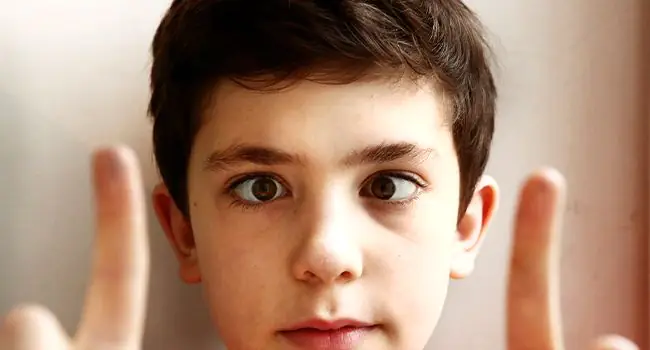
Summary: Strabismus is a condition where the eyes are misaligned, causing one to turn in, out, up, or down. It can lead to double vision and eye strain. Timely strabismus treatment, including exercises or cross eye surgery, helps restore proper alignment and prevent long-term vision problems.
|
Key Takeaways:
|
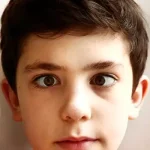
When both eyes fail to focus in the same direction, the result is strabismus, also known as “cross-eye.” It can affect both children and adults due to muscle imbalance, nerve issues, or genetics. Detecting and treating this condition early helps protect binocular vision and prevent amblyopia (lazy eye).
Causes of Strabismus
Strabismus can occur due to various factors, including:
- Muscle Imbalance: The six muscles controlling eye movement may not work together effectively.
- Nerve Disorders: Conditions like cerebral palsy or stroke can affect nerve control of the eye muscles.
- Refractive Errors: Uncorrected farsightedness (hyperopia) may lead to strabismus as the eye strains to focus.
- Genetics: A family history of strabismus increases the likelihood of developing the condition.
- Eye Injuries or Diseases: Trauma or conditions affecting the eye muscles can contribute to strabismus.
Diagnostic Tests Used for Strabismus Evaluation
A comprehensive eye examination is required to diagnose strabismus accurately. An ophthalmologist may perform:
- Visual acuity testing
- Eye alignment and movement tests
- Cover-uncover tests
- Refraction testing to identify refractive errors
- Assessment of binocular vision and depth perception
In some cases, imaging tests may be ordered if a neurological cause is suspected.
Treatment Options for Strabismus Eye
Treatment aims to realign the eyes and improve binocular coordination:
- Eyeglasses or contact lenses: Correct focusing issues.
- Prism lenses: Adjust how light enters the eyes to reduce double vision.
- Eye exercises: Strengthen weak muscles and enhance control.
- Patching therapy: Covers the stronger eye to encourage use of the weaker one.
- Botox injections: Temporarily relax overactive muscles to improve alignment.
When non-surgical options don’t help, cross eyed treatment may include cross eye surgery for lasting correction.
Strabismus Surgery
For cases where non-surgical treatments do not yield satisfactory results, strabismus surgery is a becomes viable option. This procedure involves adjusting the eye muscles to achieve better alignment.
Strabismus Surgery Procedure
The surgical process follows these steps:
- Preoperative Assessment: An ophthalmologist evaluates the patient’s eye condition and determines the necessary muscle adjustments.
- Anesthesia Administration: Typically performed under general anesthesia, especially in children.
- Muscle Adjustment: The surgeon shortens, lengthens, or repositions the eye muscles to improve alignment.
- Postoperative Care: Recovery includes eye drops, follow-up visits, and possibly eye exercises.
Side Effects of Strabismus Surgery
While strabismus surgery is generally safe, some potential side effects may include temporary redness, mild discomfort, light sensitivity, double vision, and, in rare cases, overcorrection or undercorrection of eye alignment. Infection and scarring are uncommon but possible risks. Regular follow-ups with an eye specialist can help monitor and address any post-surgical concerns.
Strabismus Surgery Before and After: What to Expect
Before Surgery
Patients undergo a comprehensive eye examination, including measurements of eye deviation and muscle strength assessment. The ophthalmologist explains the expected outcomes and recovery process.
After Surgery
- Temporary redness and mild discomfort are common.
- Vision may appear slightly blurry initially but stabilizes over time.
- Follow-up visits help monitor healing and determine if further adjustments are needed.
Squint Surgery Age Limit
Strabismus surgery can be performed at any age. However, early intervention, especially in children, is recommended to prevent vision complications such as amblyopia.
Squint Eye Surgery Success Rate
The success rate of squint surgery varies depending on the severity of misalignment and individual response to treatment. Many patients achieve improved eye alignment and better binocular vision.
Squint Operation Success Rate
Multiple factors influence the outcomes, including:
- Degree of misalignment
- Adherence to postoperative care and follow-up
- Need for additional procedures in complex cases
Conclusion
Strabismus treatment options range from non-surgical methods to corrective surgery, depending on the severity of misalignment. Early intervention and proper postoperative care can enhance treatment effectiveness. Consulting an ophthalmologist ensures the best approach tailored to the individual’s condition. Start addressing your eye alignment concerns today with expert guidance.
Why Centre for Sight?
While the procedure is generally safe but, the skills and expertise of the medical practitioner can significantly impact the results. If you are looking for ophthalmologists to consult for this condition or any other eye-ailments, you can visit your nearest Centre for Sight centre and book an appointment with one of our experts. We have world-class amenities and are among the premium institutions across the country.
FAQs
What Is the Best Age for Strabismus Surgery?
Strabismus surgery can be performed at any age, but early treatment, especially before age 7, is recommended to improve visual outcomes.
Is Strabismus Surgery Painful?
The procedure itself is painless due to anesthesia. Mild discomfort and redness may occur postoperatively, which typically resolves within a few days.
How Long Does It Take to Recover from Strabismus Surgery?
Initial healing takes about a week, but full recovery may take a few weeks, depending on the individual case.
Can Strabismus Return After Surgery?
In some cases, additional surgery may be needed, especially if the condition is severe or progressive.
Does Strabismus Surgery Improve Vision?
Strabismus surgery primarily corrects eye alignment. In cases of amblyopia, additional vision therapy may be needed for improvement.
What is the best treatment for strabismus ?
The best strabismus treatment depends on severity. Mild cases may improve with glasses or exercises, while severe cases may need cross eye surgery.
Is strabismus surgery painful?
No. The procedure is done under anesthesia. Afterward, some redness or mild discomfort may occur but usually resolves within a few days.
Can misaligned eyes be corrected permanently?
Yes. With early intervention and proper strabismus treatment, most people achieve lasting alignment and improved visual function.