Common Eye Diseases You Can Get In The Summer
- By Centre For Sight
- 6 minutes
Blog Summary
Summer heat, UV rays, and dust increase the risk of eye infections and irritation. With the right precautions and consistent eye hygiene, you can maintain clear, healthy vision throughout the hot season.
- Prolonged summer heat, UV radiation, and dry winds can weaken the tear film and trigger conditions like dry eye and photokeratitis.
- Increased exposure to dust, sweat, and contaminated pool water makes conjunctivitis and styes more common during the hot season.
- Wearing UV-400 wraparound sunglasses and swimming goggles provides essential protection against UV rays and chemical irritation.
- Staying hydrated and using preservative-free artificial tears helps maintain eye moisture and reduce irritation.
- Practising good hygiene, including frequent handwashing and avoiding eye rubbing, significantly lowers the risk of infections.
- Reducing screen time and following the 20-20-20 rule prevents digital eye strain, which often worsens during indoor summer downtime.
- Early awareness and timely preventive care can help avoid most summer-related eye problems and ensure healthier vision throughout the season.
The summer sun is not something to be underestimated in any way. It is the season that brings a lot of discomfort to your body in many forms. We are all told from a young age, to drink a lot of water in summer, to not go out in strong heat waves and take precautions against heat strokes in summers. While all this advice is sound, people often forget to talk about the proper eye care needed as well. Unrelenting heat waves, the sun rays burning your skin and the rising temperatures are causes for concern in this season. The eye is one part of the body that is extremely vulnerable and prone to damage from a lot of things, including the conditions outside. So it is obvious that extreme heat and the summers have adverse effects on the eyes.
Protecting Your Eyes in the Hot Season
Summer exposes the eyes to a combination of intense heat, harsh ultraviolet (UV) radiation, dry winds, dust, pollution, and increased allergen levels. Prolonged exposure to these factors can destabilise the tear film, irritate the ocular surface, and weaken the eye's natural defence mechanisms. Activities such as outdoor travel, swimming, and extended screen use indoors further increase the risk of eye discomfort and infections.
Understanding how seasonal changes affect eye health is essential for prevention. Simple protective measures, such as shielding the eyes from UV rays, maintaining hydration, practising good hygiene, and limiting exposure to irritants, can significantly reduce the risk of summer-related eye problems. Proactive eye care during the hot months helps preserve comfort, visual clarity, and long-term eye health.
Common Eye Conditions That Develop in Summer
The environmental conditions of summer make the eyes more vulnerable to irritation, inflammation, and infection. High temperatures accelerate tear evaporation, while dust, sweat, and polluted air increase exposure to harmful particles and microbes. As a result, several eye conditions become more prevalent during the hot season.
- Dry Eye Caused by Heat and Dehydration
Hot, dry winds and rising temperatures quickly evaporate the tear film, leaving the eyes feeling dry, gritty, or watery. Dehydration further worsens these symptoms, making dry eye one of the most frequent summer complaints.
- Conjunctivitis (Pink Eye) from Dust and Pool Water
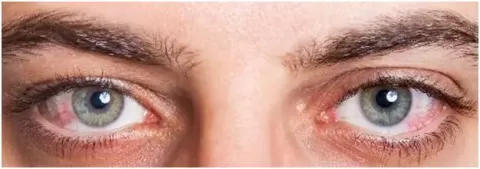
Bacterial, viral, and allergic conjunctivitis spike during the summer months. Dust, sweat, contaminated hands, and chlorinated pool water all contribute to increased infection risk, making pink eye particularly common in children and adults alike.
- Styes Due to Sweat and Bacterial Build-Up
Sweat, dust, and oil can clog the tiny glands along the eyelid margin. When bacteria multiply in these blocked glands, painful styes or eyelid swellings can develop, causing redness, tenderness, and discomfort.
- Photokeratitis (UV-Induced Eye Burn)
Prolonged exposure to strong sunlight or reflective surfaces like sand, water, or metal can burn the cornea, a condition similar to a sunburn on the eye. Photokeratitis leads to redness, tearing, blurred vision, and acute sensitivity to light, making it one of the most overlooked but dangerous summer eye issues.
Summer Eye Care Tips
Protecting your eyes during the hot months is essential to prevent infections, irritation, and UV-related damage. Following these simple but effective habits can help maintain clear and comfortable vision throughout the season:
- Wear wraparound or UV-400 sunglasses to block harmful rays.
- Swim with protective goggles, especially if you wear contact lenses.
- Stay hydrated and use preservative-free artificial tears to keep your eyes moist.
- Practice good eye hygiene: wash your hands, avoid rubbing eyes, and don't share towels or cosmetics.
- Take screen breaks: try the 20-20-20 rule (every 20 minutes, look at something 20 feet away for 20 seconds).?
When to See an Eye Specialist During Summer?
While many summer-related eye problems are mild and temporary, some symptoms should never be ignored. Delaying professional care can allow minor irritation to develop into serious infection or long-term damage, especially in extreme heat conditions.
You should consult an eye specialist promptly if you experience:
- Persistent redness or irritation lasting more than a few days
- Eye pain, swelling, or discharge
- Sudden or worsening blurred vision
- Extreme sensitivity to light
- A feeling of a foreign body that does not improve with lubrication
- Symptoms that worsen after swimming or sun exposure
Children, contact lens users, and individuals with diabetes or existing eye conditions are particularly vulnerable during summer and should be extra cautious. Regular eye check-ups during high-risk seasons help detect early changes, prevent complications, and ensure timely treatment.
Early intervention not only relieves discomfort faster but also protects the eyes from avoidable damage, allowing you to enjoy the summer safely and comfortably.
Conclusion
The summer season, while inviting, presents a unique set of challenges for eye health, from the drying effects of heat and wind to the harmful potential of UV radiation and pool chemicals. Conditions like dry eye, conjunctivitis, and styes are common summer eye diseases, but they are highly preventable.
Understanding these common seasonal conditions, from dry eyes and conjunctivitis to styes and photokeratitis, helps you take timely preventive steps and protect your vision. With simple measures such as wearing UV-protective sunglasses, maintaining proper hygiene, staying hydrated, and using protective eyewear while swimming, you can significantly reduce discomfort and keep your eyes healthy throughout the season.?
Don't let summer discomfort compromise your vision. If you experience persistent redness, pain, severe dryness, or any sudden changes in your vision, seek immediate professional attention. For expert diagnosis, personalised treatment, and comprehensive eye care this summer, book your consultation at Centre for Sight.
Frequently Asked Questions
Are children's eyes at more risk during summer?
Does swimming cause eye infections in summer?
How can I protect my eyes from harsh UV rays during summer?
What are the early signs of summer-related eye problems?
When to see an eye doctor for summer eye issues?



Could not find what you are looking for?


