Why Winter Is the Best Time for Cataract Surgery
- By Centre For Sight
- 7 minutes
Cataract is one of the leading causes of vision impairment among the elderly population in India. It can affect simple day-to-day activities like reading, watching television, recognising faces, or walking safely on uneven roads. As cataract awareness about modern cataract surgery grows, more people are choosing not to ?wait it out? and are opting for timely treatment to maintain their independence and quality of life. This comprehensive blog by the Centre For Sight will explain why winter is often considered an ideal season for cataract surgery. You'll also understand the cataract symptoms to watch out for, how long the surgery takes (the cataract operation time), how advanced technology at Centre for Sight supports safer outcomes, and why winter can make recovery smoother and more comfortable.
Understanding Cataracts: Symptoms, Risks, and the Need for Timely Intervention??
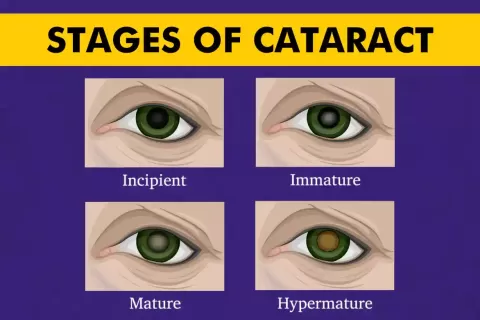
A cataract is a clouding of the eye's natural lens. Over time, this clouding blocks light from passing clearly through the lens, leading to a gradual decline in vision. Cataracts usually develop slowly, which is why many people dismiss early cataract symptoms as ?just ageing.? Common symptoms of cataracts include:
- Blurred, hazy, or cloudy vision
- Difficulty seeing at night or in low light
- Faded or yellowed colours
- Increased sensitivity to bright light and glare (especially while driving at night)
- Halos around lights
- Frequent changes in glasses prescription
If left untreated, cataracts can progress to significant vision loss, making it harder to:
- Read books or mobile screens
- Recognise faces clearly
- Drive safely, especially at night
- Move around independently without fear of tripping or falling
Key risk factors for developing cataracts are:
- Advancing age (very common after 60 years)
- Diabetes
- Prolonged or unsupervised steroid use
- Previous eye injuries or surgeries
- Family history of cataract
- Excessive exposure to sunlight without eye protection
Early detection through a routine eye check-up allows your eye specialist to monitor the cataract and advise the right time for surgery (i.e., when to get cataract surgery). Timely intervention can:
- Prevent severe vision impairment
- Reduce the risk of falls and accidents at home or outdoors
- Help maintain an active, independent lifestyle
Why Winter Is the Best Season for Cataract Surgery??
Cataract surgery can be performed safely throughout the year, but winter often offers some added practical cataract surgery benefits, especially in the Indian climate. This is why many patients prefer cataract surgery in winter. Some reasons winter is considered favourable for cataract surgery include: Cooler temperatures: Lower temperatures generally mean less sweating and discomfort. This can reduce the risk of post-surgical sweating or irritation around the eyes. Lower humidity: Compared to the hot and humid months, winter conditions are often more comfortable for the healing eye, which may already feel slightly sensitive or watery. Less exposure to dust and harsh sunlight: Patients are usually advised to protect their eyes from dust and bright sunlight in the initial recovery period. Winter, with milder sunlight and fewer dust storms in many regions, can make this easier for your winter eye care. Family support during holidays: In many households, winter coincides with holidays and family gatherings. Having family members around makes it simpler to arrange hospital visits, post-surgery care, and emotional support for elderly patients.
Cataract Surgery Time & Duration (Patient Expectations)??
Many patients worry that eye surgery will be long or complicated. In reality, modern cataract surgery is a quick, planned, and highly streamlined procedure. Here's what you can typically expect regarding the cataract surgery time and cataract operation time: Duration of surgery: The actual procedure usually takes about 15?30 minutes per eye. This is the precise cataract surgery duration for the operation itself. Total time at the hospital: Including registration, pre-operative preparation, anaesthesia, and post-operative observation, you may spend a few hours at the centre. Type of anaesthesia: Most cataract surgeries are done under local or topical anaesthesia, which numbs the eye while you remain awake and comfortable. Pain and discomfort: Patients usually report only mild discomfort or a sensation of something in the eye, which settles as healing progresses.
Recovery milestones often look like this:
- Initial improvement in vision: within 24?48 hours for many patients
- Stabilisation of vision: over the next few days to weeks
- Return to routine activities: usually within a few days (as advised by your doctor)
How Modern Technology at Centre for Sight Enhances Cataract Outcomes?
The quality of cataract surgery today is very different from what many people remember from decades ago. At Centre For Sight, we use advanced technology to make the procedure safer, more precise, and more personalised. Key cataract surgeries at Centre For Sight include:
These techniques result in a more refined surgical experience and better visual outcomes for many patients.
Recovery After Cataract Surgery (Why Winter Helps Faster Healing)??
The healing period after cataract surgery is usually smooth if postoperative instructions are followed carefully. The cataract surgery recovery time can often feel more manageable in winter. Typical post-surgery care includes:
- Using prescribed eye drops regularly and on time
- Keeping the eye clean and avoiding rubbing
- Protecting the eye from dust, smoke, and strong winds
- Wearing protective glasses if advised
- Avoiding water from entering the operated eye while bathing
Winter conditions can support recovery in several ways:
Cool and stable climate: Helps reduce irritation, sweating, and discomfort around the eye area. Easier sun protection: The sun is generally less harsh, making it more comfortable to wear sunglasses and avoid bright glare. Fewer infections related to heat and humidity: Hot, sweaty conditions can sometimes increase the chance of irritation and contamination; winter reduces this concern to some extent.
Myths About Cataract Surgery Timing?
Despite advances in eye care, many myths around cataract surgery time still exist. Clearing these misconceptions can help patients and families take timely decisions. Common myths include: Myth 1- Cataract surgery should be delayed until the cataract is fully mature. In the past, surgery was sometimes delayed due to limited technology. Today, with modern techniques, waiting too long can make the cataract harder and surgery more challenging. Eye specialists now recommend planning when to get cataract surgery when it begins to interfere with daily life, rather than waiting for severe vision loss. Myth 2 - Winter surgery is risky because of the cold weather. Modern operation theatres maintain controlled temperature and sterile conditions throughout the year. With proper hospital infrastructure and infection control, winter does not increase surgical risk. In fact, as discussed earlier, the season can be more comfortable for patients during recovery.
Taking the Next Step: Preparing for Cataract Surgery This Winter??
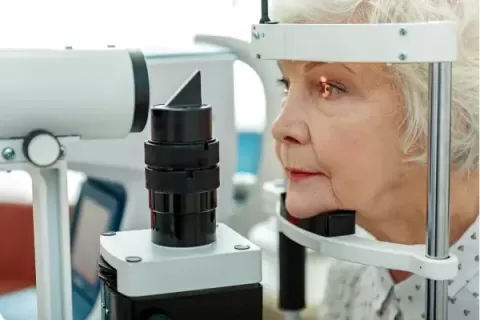
If you or a loved one has noticed changes such as blurred vision, glare, or difficulty with routine tasks, this winter can be a good time to plan a detailed eye evaluation. At Centre For Sight, the process typically includes:
- A comprehensive eye examination by a cataract specialist
- Assessment of the cataract's maturity and impact on your daily activities
- Discussion of suitable intraocular lens (IOL) options based on your lifestyle and visual needs
- Explanation of the procedure, cataract surgery cost, expected recovery, and follow?up schedule
Before surgery, you will receive clear pre?operative instructions, like:
- How to manage existing medical conditions (such as diabetes or blood pressure)
- Dietary guidelines for the day of surgery
- When to arrive at the hospital and what documents to carry
Who Should Not Delay Cataract Surgery???
While some patients can wait and monitor their cataract, others may be advised not to postpone surgery. You should consider timely intervention if you experience:
- Rapid worsening of vision
- Strong glare or halos around lights, especially at night
- Double vision in one eye
- Difficulty reading, watching television, or using digital devices
- Trouble driving or crossing roads safely
Certain groups benefit even more from early cataract surgery, such as: People with diabetes: Poor vision can make it harder to manage medications and monitor blood sugar safely. Elderly individuals at risk of falls: Reduced vision increases the chance of tripping, slipping, or missing steps. Those who live alone: Clear vision is essential for safe, independent living.
Conclusion
Winter offers several practical advantages for cataract surgery?from comfortable weather and fewer irritants in the air to better family support and smoother recovery. When these seasonal benefits are combined with advanced technology and experienced specialists at Centre for Sight, patients can look forward to clearer vision and a renewed sense of independence.
If cataracts are beginning to limit your daily life, consider planning your evaluation and treatment this winter. Taking a proactive step now can help you enjoy clear, comfortable vision throughout the year.


Could not find what you are looking for?


