How to Prevent Cataracts - Eye Prevention Tips
- By Centre For Sight
- 8 minutes
Blog Summary
- You can't fully stop cataracts, but you can lower the risk and slow them down.
- Protect your eyes from the sun: wear UV400 sunglasses and a wide hat.
- Don't smoke; avoid second-hand smoke.
- Keep diabetes and blood pressure under control.
- Eat eye-friendly foods: leafy greens, colorful fruits/veggies, nuts, seeds, and fish.
- Stay active, keep a healthy weight, and drink less alcohol.
- Use steroid medicines only if your doctor says so.
- Wear safety glasses for sports or DIY work.
- Get regular eye checkups; go sooner if you notice glare, halos, poor night vision, or sudden vision changes.
To prevent cataracts, protect your eyes from the sun (wear 100% UV-blocking sunglasses and a hat), quit smoking, keep diabetes and blood pressure under control, eat more leafy greens, colorful fruits, and fish, go easy on alcohol, use safety glasses for risky work, keep a healthy weight, and get regular eye check-ups and use steroid medicines only as your doctor advises. Cataracts can get worse with age, harsh sunlight, smoking, and health issues like diabetes.?Learn how to prevent or slow the progression of cataracts, and know when to consult an eye doctor.
What Are Cataracts?
Cataracts are an eye condition in which the clear lens inside your eye becomes cloudy, causing blurry vision.?This occurs when some lens proteins break down and clump together, preventing light from passing through cleanly and causing vision to appear blurry or hazy. They usually get worse with age, but can progress faster with too much sun exposure, smoking, diabetes, or certain medications. You might notice glare, trouble seeing at night, or colours looking dull. Cataract eye surgery is a safe, common treatment. Still, many people want to lower their risk and slow cataract formation. In the next section, you'll see simple steps that can help.
Best Ways to Prevent Cataracts (Daily Habits)
Below are the best ways to prevent cataracts naturally, as well as when to consult a doctor.
- Wear UV400 sunglasses (and a hat). This blocks harmful UV rays. Yes, sunglasses can help prevent cataracts by reducing UV damage.
- Quit smoking (and avoid second-hand smoke). Smoking speeds up lens damage.
- Control diabetes, blood pressure, and cholesterol. Keep blood sugar in range to protect your lens.
- Eat eye-friendly foods. Go for leafy greens (spinach, kale), coloured veggies (carrots, bell peppers), citrus and berries (vitamin C), nuts and seeds (vitamin E), and fish (omega-3).
- Maintain a healthy weight and limit alcohol. These support overall eye health.
- Review long-term steroid use with your doctor. Some steroids can raise cataract risk.
- Protect your eyes from injury. Use safety glasses for sports, DIY, or dusty work.
- Get regular eye exams. Early checks help track changes and guide treatment.
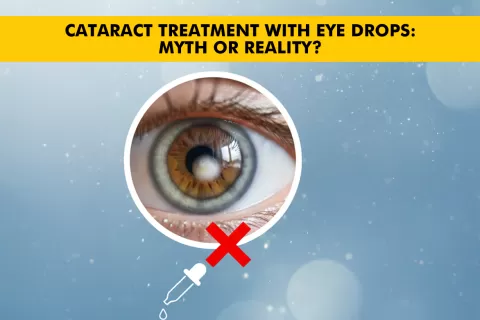
| Note: There's no home remedy that cure a cataract; only surgery can do that. These steps help prevent cataract formation or slow progression. |
Protect Your Eyes from the Sun (UV Protection)
Many cataracts are age-related, but exposure to UV light accelerates the process.?Wearing the right sunglasses and a hat is one of the easiest ways to lower risk.?The World Health Organization estimates that about 10% of cataract blindness is due to UV exposure, and therefore avoidable. Tips
- Choose sunglasses that block 99?100% of UVA and UVB (also labelled UV400). Wrap-around or large frames stop rays from sneaking in from the sides.
- Pair sunglasses with a broad-brim hat to cut UV exposure further (public-health data show hat + sunglasses can reduce UV to the eyes by up to ~98%).?
- Try to avoid the strong sun from 10 am?4 pm when UV levels are the highest; check the UV index.
Eat a Balanced Diet for Eye Health
Food beats pills here. Diets rich in vitamin C, vitamin E, lutein, zeaxanthin, and omega-3s are linked to healthier lenses in long-term studies. Best foods that help prevent cataracts:
| Food group | Why it helps | Easy picks |
| Dark leafy greens | Lutein + zeaxanthin support lens/retina | Spinach, kale, collards |
| Citrus & capsicum | Vitamin C linked with slower lens changes | Oranges, grapefruit, bell peppers? |
| Nuts & seeds | Vitamin E (antioxidant) | Almonds, sunflower seeds? |
| Fish (fatty) | Omega-3s support overall eye surface health | Salmon, sardines, tuna |
| Orange veg | Beta-carotene (vitamin A source) | Carrots, sweet potatoes? |
Do Supplements Help Prevent Cataracts?
Cochrane reviews show no clear preventive effect from antioxidant vitamins (C, E, beta-carotene).? The big AREDS2 trial mainly helps AMD, not cataracts. Talk to your eye specialists before starting anything.
Quit Smoking and Limit Alcohol Consumption
- Smoking: Smokers have ~2?3? higher cataract risk; heavy smokers (?15 cigarettes/day) had a 42% higher risk of cataract surgery in a large cohort. Quitting lowers risk over time.
- Alcohol: Evidence is mixed. A meta-analysis found heavy drinking raises cataract risk (RR ? 1.26), while moderate intake showed no clear benefit overall, so the safest advice is to limit alcohol.
Manage Blood Sugar to Prevent Cataracts
If you have diabetes, you're about 2?5 times more likely to develop cataracts, and often at a younger age.? Keeping blood sugar on target can help slow many eye problems. Do this
- Aim for the A1c goal your doctor sets (average <7% for many adults), and keep glucose steady.
- Get regular dilated eye exams (see below). Early tweaks in care can delay cataract progression.
Reduce Screen Time and Eye Strain
Screens don't cause cataracts. Blue light from phones/computers hasn't been shown to damage the eyes, but long screen sessions can make eyes tired and dry. Easy habits
- Follow the 20-20-20 rule: every 20 minutes, look 20 feet away for 20 seconds.?
- Blink more, use artificial tears if needed, and reduce glare.
Stay Hydrated for Eye Health
Hydration supports a healthy tear film and comfort.? It doesn't directly prevent cataracts, but dry, irritated eyes feel much better when you're well-hydrated. The AAO/AOA also advise taking regular breaks and using lubrication for dryness. Keep a water bottle nearby, reduce your caffeine/alcohol intake (they can cause dehydration), and use a humidifier in dry rooms.
Get Regular Eye Checkups
Routine exams find cataracts early and rule out other issues (glaucoma, macular degeneration).?
- 40?54 years: every 2?4 years
- 55?64 years: every 1?2 years
- 65+ years: every year
(Do a routine exam every 6 months if you have diabetes, high risk, or symptoms.)
Maintain a Healthy Weight & Active Lifestyle
Staying active helps you avoid diabetes and metabolic syndrome, both tied to higher cataract risk.? A 2025 meta-analysis found metabolic syndrome increased cataract risk by ~28%. Even a 30-minute brisk walk most days helps.
Reduce Blue Light & Artificial Light Exposure
Blue light from screens does not directly cause cataracts, but late-night screen use can disrupt sleep, which can worsen eye comfort.?Blue-light-filter glasses haven't shown clear benefits for eye strain in high-quality trials. Use ?night mode,? dim screens at night, and keep devices out of bed.
Conclusion
You can't stop aging, but you can learn how to prevent cataracts and stop them from worsening with small, steady changes.? Can you prevent cataracts completely? Not always, but you can lower the risk and delay progression. If you want to prevent cataracts naturally, start with sun protection, a healthy diet, and no smoking. Protect your vision today. Regular eye exams are the safest way to track changes and get the right advice. Schedule your cataract screening with Centre For Sight today.
Frequently Asked Questions
Can cataracts be prevented completely?
How to prevent cataract formation?
Are cataracts preventable?
What foods help prevent cataracts?
What lifestyle changes can help prevent cataracts?
Can I prevent cataracts naturally?
How does diet affect cataract risk?
Is protecting my eyes from the sun important in preventing cataracts?
Does smoking increase the risk of developing cataracts?
Can managing other health conditions help prevent cataracts?
Are there any supplements that can help prevent cataracts?
Can regular eye exams help prevent cataracts?
How to prevent cataracts from getting worse?
Can you prevent cataracts with lifestyle changes?
How can you prevent cataracts from progressing?
How to prevent cataract formation naturally?
Can sunglasses prevent cataracts?
Are cataracts preventable with medication?

Could not find what you are looking for?


