Contact Lens Infection: Symptoms, Risks & Corneal Ulcer
- By Centre For Sight
- 6 minutes
Blog Summary
- Infection from contact lenses is a common but preventable condition caused by poor hygiene, prolonged usage, or improper lens care practices.
- One of the biggest risks of contact lenses is developing a corneal ulcer, which can lead to serious complications, including permanent vision damage.
- Early recognition of corneal ulcer symptoms such as pain, redness, and blurred vision is crucial for timely medical intervention.
- Simple habits like proper cleaning, avoiding overnight wear, and replacing lenses on time can significantly reduce the risk of infection.
- Safe and responsible use of contact lenses is essential to protect eye health and prevent long-term complications.
These days, people wear contact lenses very frequently. In order to look spectacle-free at events, contact lenses come in really handy. But as they say, ?excess of anything is harmful,? and it applies well to the current generation that heavily depends on lenses.
Wearing contact lenses for longer durations and periods can have the wrong effect on the eyes. All who wear contact lenses are at an increased risk of getting a corneal ulcer. As a matter of fact, the risk escalates tenfold when you are using extended-wear soft contact lenses. These extended ones are those which people wear for longer duration and hence many people tend up sleeping with the lens on.
This highlights one of the most important contact lens risks: prolonged and improper usage can significantly increase the chances of serious eye infections.
How Contact Lenses Can Affect Your Eyes
Please be informed that contact lenses can damage one's cornea in several ways. Some of the issues that people face are:
- There could be scratches often found at the edges of one's contact lens. It can even scrape the cornea's surface. It is like opening a gate for bacterial infections.
- Eyes are exposed to dirt, and often tiny dust particles get stuck under the contact lens, which can easily scratch the cornea.
- Bacteria could be on the lens or even in the cleaning solutions. These get stuck on the undersurface of the lens. If you are wearing lenses for prolonged hours, then these can multiply in number and may damage the cornea as well.
- When you wear lenses, there are chances of blocking oxygen to the cornea, and there are possibilities of infections too.
All these factors significantly increase the risk of developing a contact lens infection or a more severe contact lens eye infection if not managed properly.
What is a Corneal Ulcer?
A corneal ulcer is an open sore on the cornea, usually caused by infections resulting from bacteria, viruses, fungi, or parasites. It is one of the most serious complications associated with contact lens usage.
In many cases, a contact lens eye infection can progress into a corneal ulcer if left untreated. This condition can damage the deeper layers of the cornea and affect vision permanently.
Causes of Corneal Ulcers in Contact Lens Users
Viral infections lead to corneal ulcer as well. Some of the viruses are the varicella virus or the herpes simplex virus.
Fungal infections can also be one of the causes of corneal ulcers. People get injured by twigs and branches, which are often ignored, but it may lead to infection. With such an injury, people are treated with steroid eye drops, or they may wear contact lenses that are not disinfected.
In addition to these, poor lens hygiene, using expired solutions, and sleeping with lenses on are major contributors to contact lens infection.
Improper storage of lenses and not replacing them as recommended can further increase contact lens risks and lead to severe complications.
Corneal Ulcer Symptoms You Should Not Ignore
Recognizing corneal ulcer symptoms early is crucial for preventing serious damage to the eye. Some common symptoms include:
- Severe eye pain
- Redness in the eye
- Blurred or decreased vision
- Excessive tearing or discharge
- Sensitivity to light (photophobia)
- A white or greyish spot on the cornea
If you experience any of these corneal ulcer symptoms, it may indicate a serious contact lens eye infection that requires immediate medical attention.
Contact Lens Infection: Why It Happens
A contact lens infection occurs when harmful microorganisms accumulate on the lens surface and enter the eye.
This can happen due to:
- Improper cleaning or storage of lenses
- Using contaminated lens solution
- Wearing lenses beyond recommended hours
- Sleeping with contact lenses on
- Not washing hands before handling lenses
These practices significantly increase contact lens risks and can lead to severe infections if ignored.
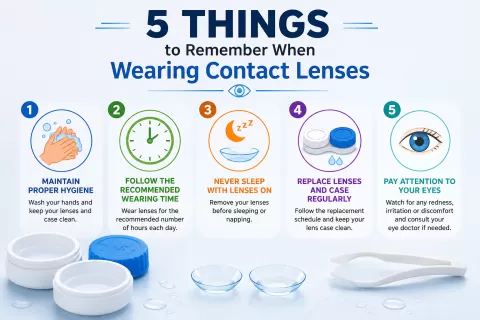
- Prevention Tips to Reduce Contact Lens Risks - While contact lenses are safe when used correctly, following proper hygiene practices is essential to avoid a corneal ulcer.
- Maintain Proper Hygiene - Always wash your hands before touching lenses to prevent transferring bacteria to the eyes.
- Avoid Overnight Wear - Sleeping with lenses significantly increases contact lens risks and reduces oxygen supply to the cornea.
- Clean and Store Lenses Properly - Use a fresh disinfecting solution and avoid reusing old solutions to prevent contact lens eye infection.
- Replace Lenses as Recommended - Do not use lenses beyond their prescribed duration, as worn-out lenses can harbor bacteria.
- Avoid Water Exposure - Never wear lenses while swimming or showering, as water may contain harmful microorganisms that can cause a contact lens infection.
Corneal Ulcer Treatment
Corneal ulcer treatment is a major service offered by Centre for Sight. Strategically located in New Delhi, the CFS team specializes in corneal treatment. Once diagnosed, it is important to identify the microorganism that has caused the infection. When the infection has been revealed, eyedrops and medications are prescribed.
Treatment for a corneal ulcer depends on its cause and severity. Bacterial infections are treated with antibiotic eye drops, while viral and fungal infections require specific medications.
There could be instances where uncontrolled corneal ulcers may become a threatening condition (it may lead to visual impairment or blindness).
If a contact lens eye infection progresses without treatment, it can lead to permanent scarring of the cornea and vision loss.
There could be cases where a surgical option may turn out to be the only solution. In case the ulcer is not responding to medical treatment, the doctor may recommend a corneal transplant. This is done to save the eye and eliminate the possibility of infection spreading in the eye.
When to See a Doctor
You should seek immediate medical attention if you notice signs of a contact lens infection, such as pain, redness, or blurred vision.
Ignoring early symptoms can increase contact lens risks and lead to complications like a corneal ulcer, which may threaten your vision.
Conclusion
Contact lenses offer convenience and aesthetic benefits, but they must be used responsibly.
Understanding contact lens risks and maintaining proper hygiene can significantly reduce the chances of developing a contact lens infection or a serious corneal ulcer.
If you are facing any eye infection, do not treat it lightly, as it may escalate the issue. Get a consultation before the problem aggravates.
Early diagnosis, awareness of corneal ulcer symptoms, and timely treatment can help protect your vision and ensure long-term eye health.
Frequently Asked Questions
What is a contact lens infection?
What are the common symptoms of contact lens eye infection?
Can an infection from a contact lens lead to a corneal ulcer?
How do you treat the infection from a contact lens?
How can you prevent contact lens infections?


Could not find what you are looking for?


