Child Eye Test: When, Why, and What to Expect?
- By Centre For Sight
- 7 minutes
Blog Summary
- A child eye test helps catch vision problems early, before a child can explain blur, headaches, or difficulty seeing clearly.?
- Vision screening and a full eye exam are not the same as screening only flags possible issues, while a comprehensive eye exam diagnoses the exact problem and guides treatment.?
- Children should have age-appropriate vision screening early, with at least one screening between ages 3?5, because this is an important window for detecting amblyopia (lazy eye) and related risk factors.?
- A vision test for kids can detect more than glasses power, it can also catch amblyopia, strabismus (eye misalignment), and media opacity problems like cataract that block vision.?
- Some children need closer watch if they have family history, prematurity, low birth weight, strabismus, high refractive error, or anything blocking normal vision development.?
- Parents should look for signs like squinting, eye rubbing, headaches after schoolwork, sitting too close to screens, head tilt, closing one eye, or avoiding reading.?
- Urgent warning signs include a white or grey glow in the pupil, sudden eye turning, poor tracking by around 3 months, or any sudden vision drop after injury.?
- A full eye exam for children is calm and child-friendly, with picture-based vision tests, alignment checks, accurate power testing, and sometimes dilated examination when needed.?
- Between check-ups, parents can support eye health with regular outdoor time, good reading/screen habits, proper lighting, and consistent use of prescribed glasses.
A child eye test helps catch vision problems early before your child can explain what feels wrong. The tricky part is that kids adapt quietly, so a problem can look like ?laziness? in class or clumsiness, not a clear eye complaint.?
This guide explains the right timing for checks, the difference between screening and a full exam, common problems doctors look for, and the warning signs that need quick attention.?
Vision Screening Vs A Full Eye Exam
A quick check at school or at a pediatric visit is a screening. A screening helps identify children who need more eye care, but it does not diagnose the exact problem.?A comprehensive eye exam for children is done by an eye doctor (ophthalmologist/optometrist) and is meant to diagnose the cause and start treatment.?
A child can see ?okay? with one eye and still pass casual observation at home. But if the other eye is weaker, the brain may start ignoring it, which can lead to amblyopia (lazy eye) if not treated in time.?
When Should A Child Eye Test Happen?
There isn't one single ?perfect? timetable worldwide, but strong clinical guidance agrees on two key points:
- Children need age-appropriate vision screening early, and
- At least one screening between ages 3?5 has proven benefit for detecting amblyopia and risk factors.?
Age-Wise Schedule You Can Actually Follow
Below is a schedule based on pediatric ophthalmology recommendations:
| Age | What's checked? |
| Newborn?12 months | Red reflex, eye alignment, tracking |
| 1?3 years | Visual behavior, alignment, red reflex; photoscreening may be used |
| 3?5 years | Visual acuity + alignment; photoscreening if needed |
| 5+ years | Visual acuity + eye health checks |
What Problems Can A Vision Test For Kids Catch Early?
A vision test for kids is not only about ?does my child need glasses.? It's also about catching conditions where early treatment is more effective.
1) Refractive errors (glasses power)
These include myopia (near-sightedness), hyperopia (far-sightedness), and astigmatism. They can lead to blur, headaches after schoolwork, and poor classroom performance if uncorrected.?
2) Amblyopia (lazy eye)
Amblyopia is a common cause of reduced vision in children because the eye and brain aren't working together properly. CDC notes it can cause vision loss in 2 to 3 out of 100 children, and early detection and treatment are key.?
Timing matters in amblyopia because treatment tends to work better in younger children, and studies show amblyopia is more responsive to treatment under age 7 (even though improvement can still happen later in some kids).?
3) Strabismus (eye misalignment)
When eyes don't point to the same target, the brain suppresses one eye to avoid double vision, which can drive amblyopia over time. A screening checks alignment with simple tests like corneal light reflex and cover tests.?
4) Media opacity or ?blocked pathway? problems
Screening tools like the red reflex test help detect problems like cataract or other issues that block light from reaching the retina, and these need prompt specialist care.?
Who Should Be Extra Careful About Early Eye Checks?
Every child benefits from screening, but some children have higher risk and should be watched more closely.
The USPSTF lists risk factors linked with amblyopia/vision abnormalities such as:?
- family history in a first-degree relative
- prematurity or low birth weight
- strabismus or high uncorrected refractive errors
- media opacity (anything blocking vision)?
Signs Your Child Need An Eye Exam Sooner
Some children will never say ?I can't see.? They just change behavior. So parents need to watch some signs at home and school:
- Squinting, rubbing eyes frequently, or complaining of headaches after schoolwork.?
- Holding books or the phone very close, or sitting too close to the TV (especially if it's new behavior).
- Closing one eye to see better, or tilting the head to one side (can be a clue for misalignment).
- Avoiding reading, losing place on a page, or quickly getting tired during homework.
When it's urgent:
Book an urgent eye exam for children if you notice:
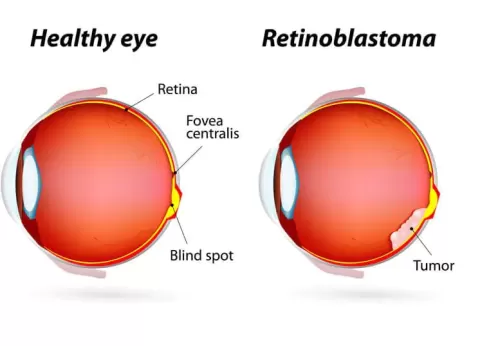
- A white/grey glow in the pupil in photos,
- Sudden eye turning,
- A child not tracking objects by around 3 months, or
- Any sudden drop in vision after injury.?
What Happens During An Eye Exam For Children?
A full eye exam for children is calm and child-friendly. The goal is to measure vision and check eye health in ways that suit the child's age:
- History + behavior check: The doctors check pregnancy/birth history, family history, screen habits, school issues.
- Vision test suited to age: It is tested with pictures, Lea symbols/HOTV charts, or matching games (so it doesn't feel like an ?exam? as many children dislike the interrogation tactic).?
- Alignment tests: The doctor checks if both eyes are working as a team (important for strabismus/amblyopia risk).?
- Objective refraction: In many kids, doctors use drops to relax focusing so the power measurement is accurate, this is especially helpful when children ?over-focus? during testing.
A good way to explain drops to a child: ?These drops help the doctor see your eyes clearly, like switching on a bright light in a room.? - Dilated retinal check when needed: The eye doctors do this to ensure the overall internal eye health in the child is normal.
How To Prepare Your Child For The Appointment?
A little preparation makes the visit smoother.
- Tell your child it's a ?picture and game? appointment, not a scary procedure.
- Carry the child's previous glasses (if any) and school feedback about reading or headaches.
- Bring snacks and water because dilating drops can add waiting time.
- If your child is anxious, book an early-day slot when they're fresh and ready for the day.
What You Can Do Between Check-Ups?
Regular checks are one part but daily habits matter too, especially for myopia risk. So as a parent or a guardian, you can do:
- Encourage outdoor play as more outdoor time is linked with lower myopia risk, and pediatric ophthalmology guidance suggests daily outdoor time as part of myopia prevention habits.?
- Keep near work comfortable by ensuring good lighting, screen at a sensible distance, and short breaks during long homework blocks.
- If your child already has glasses, make sure they wear them as prescribed, consistent use helps prevent strain and supports visual development.
Conclusion
A child eye test is not only about glasses, it's about catching issues like amblyopia and strabismus early, when treatment tends to work better.?Screening at the right ages and acting quickly on warning signs can protect vision and support learning and confidence. If you're unsure, a full eye exam for children gives clearer answers and a proper plan.?
Frequently Asked Questions
When should I book a child eye test for the first time?
Is a school vision test for kids enough?
What are the most common signs my child needs glasses?
Can a child have an eye problem even if they never complain?
Why do doctors push early checks for lazy eyes?
Could not find what you are looking for?


