How Blood Pressure is Related to Your Eyes?
- By Centre For Sight
- 6 minutes
Blog Summary
High blood pressure doesn't just affect your heart, it can also harm your eyes. Over time, hypertension can damage the retina, leading to hypertensive retinopathy, a serious condition that may cause blurred vision or even vision loss. This article explains its symptoms, stages, and treatment options, and how you can prevent it with proper care.
- Hypertensive retinopathy is caused by prolonged high blood pressure that damages the retinal blood vessels.
- Symptoms include blurred vision, headaches, and gradual vision loss.
- Early detection and hypertensive retinopathy treatment can prevent blindness.
- Maintain healthy blood pressure and schedule routine eye tests for timely diagnosis.
The pressure exerted by blood against the walls of our blood vessels is known as blood pressure. Higher than usual blood pressure can lead to severe health problems and complications such as stroke, heart disease, and others. Hypertension is the medical name for high blood pressure; it is a serious health problem globally and the causes of the disease are not exactly known but are usually identified as the effects of an underlying health problem or a condition like a kidney disease. In this blog, we'll take a look at how high blood pressure can lead to problems for our vision too in the form of hypertension retinopathy.
What is Hypertensive Retinopathy?
Hypertensive retinopathy occurs when persistent high blood pressure damages the blood vessels of the retina, the light-sensitive layer at the back of the eye. Over time, elevated pressure forces these vessels to work harder, causing their walls to thicken and become less flexible. As they narrow, blood flow to the retina reduces, depriving it of oxygen and essential nutrients. In more advanced cases, the weakened vessels may leak blood or fluid, leading to swelling, haemorrhages, and visual distortion.
If left untreated, the risk of serious complications increases. Uncontrolled hypertension can cause macular swelling, blood accumulation inside the retina, or even damage to the optic nerve, all of which significantly heighten the risk of permanent vision loss. Hypertensive retinopathy is therefore not just an eye condition, it is a warning sign of uncontrolled systemic hypertension and requires immediate attention.
Symptoms and Signs of Hypertensive Retinopathy
Hypertensive retinopathy often develops silently, especially in its early stages, which is why many individuals remain unaware of the condition. Symptoms usually appear only after sustained high blood pressure has already caused noticeable retinal damage. As the condition progresses, you may experience:
- Blurred or cloudy vision that worsens over time
- Frequent headaches or a sensation of eye strain
- Sudden changes in vision, including double vision
- Gradual or, in severe cases, sudden vision loss
Hypertension Retinopathy Stages
Hypertensive retinopathy progresses gradually as persistently high blood pressure damages the retinal blood vessels over time. Ophthalmologists classify the condition into four stages based on the severity of vascular changes and retinal involvement. Understanding these stages helps determine the urgency of treatment and the risk of vision loss.
Grade 1: Early vascular changes
At this stage, there is mild narrowing of the retinal arteries due to increased vessel wall tension. Vision is typically unaffected, and most patients do not experience any symptoms. However, these early changes indicate ongoing blood pressure damage and warrant close monitoring and blood pressure control.
Grade 2: Moderate vessel damage
Retinal artery narrowing becomes more pronounced and widespread. The vessels may appear thickened or less flexible on examination. Although symptoms may still be absent, the reduced blood flow increases the risk of further retinal damage if hypertension remains uncontrolled.
Grade 3: Advanced retinal involvement
This stage is marked by visible retinal haemorrhages, cotton wool spots (areas of reduced oxygen supply), and fluid leakage within the retina. Patients may begin to experience blurred vision, headaches, or visual disturbances. Immediate blood pressure management and ophthalmic care are essential to prevent progression.
Grade 4: Severe, vision-threatening damage
The most advanced stage involves swelling of the optic disc (papilledema), extensive retinal bleeding, and significant vascular compromise. Vision loss can occur rapidly, and this stage is considered a medical emergency, often associated with dangerously high blood pressure requiring urgent systemic and ocular intervention.
Early-stage hypertensive retinopathy can often be stabilised or reversed with effective blood pressure control. However, delayed diagnosis increases the risk of permanent retinal and optic nerve damage, underscoring the importance of regular eye examinations for individuals with hypertension.
Hypertensive Retinopathy Causes
- Long-term high blood pressure (hypertension)
- Diabetes or high cholesterol levels
- Smoking and alcohol overuse
- Obesity or sedentary lifestyle
- Chronic kidney disease
These factors can increase strain on retinal blood vessels, triggering hypertension retinopathy, and associated vision issues.
Diagnosis of Hypertensive Retinopathy
Hypertensive retinopathy is primarily caused by long-standing or poorly controlled high blood pressure, which places continuous stress on the delicate blood vessels of the retina. Over time, this sustained pressure damages vessel walls, reduces blood flow, and disrupts normal retinal function.
Several factors can increase the risk of developing hypertensive retinopathy, including:
- Chronic hypertension: Persistently elevated blood pressure is the most significant cause, particularly when left untreated or inadequately controlled
- Diabetes and high cholesterol: These conditions accelerate blood vessel damage and compound the effects of hypertension on the retina
- Smoking and excessive alcohol consumption: Both contribute to vascular narrowing and reduced oxygen delivery to retinal tissues
- Obesity and a sedentary lifestyle: Poor metabolic health increases cardiovascular strain and worsens blood pressure control
- Chronic kidney disease: Kidney disorders often coexist with hypertension and further impair vascular health
Treatment of Hypertensive Retinopathy
The cornerstone of hypertensive retinopathy treatment is effective and sustained control of blood pressure. Since retinal damage is directly linked to prolonged hypertension, managing the underlying condition is essential to prevent further progression and protect vision.
Common approaches include:
- Blood pressure management: through prescribed medication and regular monitoring.
- Lifestyle modifications: healthy diet, exercise, and salt reduction.
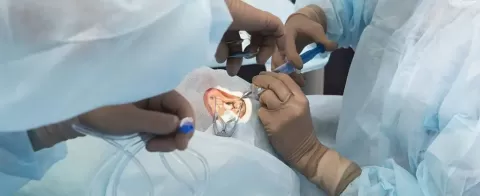
- Laser therapy or injections: in severe cases, to manage retinal swelling or bleeding.
- Regular eye exams: to monitor hypertensive retinopathy stages and prevent further vision loss.
With early diagnosis and proper hypertensive retinopathy treatment, long-term vision can often be preserved.
Prevention and Eye Care
You can lower your risk by:
- Managing hypertension through medication and lifestyle control.
- Reducing salt, caffeine, and alcohol intake.
- Quitting smoking and maintaining a healthy weight.
- Exercising regularly and eating a balanced diet.
- Getting annual eye check-ups to monitor hypertensive changes in the eye.
Conclusion
Hypertensive retinopathy is a serious yet preventable consequence of long-term high blood pressure. Because retinal damage often develops silently, many people remain unaware of the condition until vision changes become noticeable. Consistent blood pressure management, timely diagnosis, and routine eye evaluations are essential to preventing irreversible retinal damage. With early intervention and the right treatment approach, most individuals can protect their eyesight and avoid further complications. If you are living with hypertension or have recently been diagnosed with high blood pressure, prioritise regular eye examinations and proactive care to safeguard your vision.
For advanced diagnostics, expert evaluation, and specialised hypertensive retinopathy treatment, book your appointment at Centre for Sight today.
Frequently Asked Questions
What is hypertensive retinopathy?
What are the symptoms of hypertension in the eye?
What are four signs of hypertensive retinopathy?
How do you fix hypertensive retinopathy?
How to differentiate between diabetic and hypertensive retinopathy?
What is the best treatment for retinopathy?
Could not find what you are looking for?


