Why Delaying Cataract Surgery Can Harm Your Vision
- By Centre For Sight
- 5 minutes
Blog Summary
- Cataracts are the leading cause of preventable blindness in India, with delayed treatment being the primary reason for vision loss.
- Modern cataract surgery is safe, quick, and highly effective, fears around pain or risk are largely outdated.
- Waiting for cataracts to ripen increases surgical complexity and the risk of complications.
- Untreated cataracts progressively impair daily activities, independence, and overall quality of life.
- Timely consultation and surgery ensure better visual outcomes, faster recovery, and long-term eye health.
Cataract is one of the leading causes of preventable blindness worldwide and remains the single largest cause of vision loss in India. Recent reports suggest that cataracts account for over 66% of blindness cases in the country, largely due to delayed diagnosis and treatment.
Although cataracts progress gradually, postponing treatment can significantly increase the risk of complications and permanent vision damage. Modern cataract surgery is safe, precise, and highly effective when performed at the appropriate time. Understanding the risks of delaying cataract surgery is therefore essential for protecting long-term vision and quality of life.
What Is a Cataract?
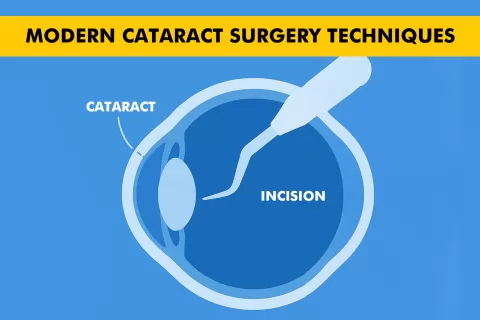
A cataract is a condition in which the eye's natural lens becomes cloudy due to the gradual breakdown and clumping of lens proteins. In a healthy eye, the clear lens allows light to pass through efficiently to the retina, producing sharp vision. When this clarity is compromised, vision may appear blurred, dim, or distorted.
Cataracts can affect one or both eyes and typically develop over time. Because early changes are often subtle, symptoms may go unnoticed initially. As the clouding increases, everyday visual tasks become more difficult, signalling the need for medical evaluation.
Why People Delay Cataract Surgery?
Despite medical advances, cataract surgery is often postponed due to outdated beliefs. The most common reasons include:
- Fear of surgery:
Many patients delay surgery due to the fear that the procedure is painful or unsafe. In reality, cataract surgery today is a minimally invasive, daycare procedure performed under local or topical anaesthesia.
- No stitches are required in most cases
- The surgery typically takes 15?30 minutes
- Patients usually return home the same day
- Normal activities can resume quickly, with minor precautions
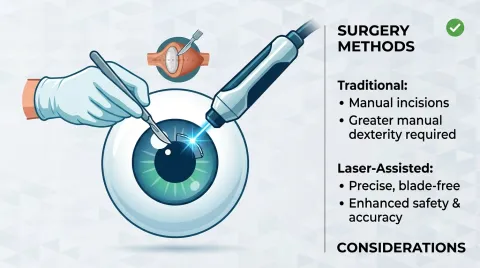
With advancements such as laser-assisted and bladeless techniques, cataract surgery has become one of the safest surgical procedures in modern medicine, with a very high success rate.
- Cataract should be treated only when it ripens:?
Many people believe that cataracts should only be treated once they ripen. But it's not necessary. Modern ophthalmology has completely moved away from this concept. In fact, waiting for a cataract to mature makes surgery more difficult, not easier. As the cataract hardens over time:
- More surgical energy is required to remove it
- The risk of corneal swelling and inflammation increases
- Visual recovery may be slower or less predictable
In advanced or hyper-mature cataracts, complications such as lens-induced glaucoma or corneal damage can occur. These are well-documented complications of untreated cataract and can permanently affect vision.
- We can live with cataract:
Another reason people delay treatment is the belief that cataracts are manageable. While vision loss may start subtly, cataracts progressively interfere with daily life. Untreated cataracts can lead to:
- Difficulty driving, especially at night
- Increased glare and poor contrast sensitivity
- Reduced depth perception, raising the risk of falls
- Inability to read, work, or engage in physical activities
Over time, these limitations can affect one's independence, confidence, and mental well-being. This clearly illustrates what happens if cataract is not treated as the impact goes far beyond eyesight alone. Some of the common symptoms associated with cataract are:
- Cloudy, hazy, or blurred vision
- Halos around lights
- Low night vision/ difficulty in driving at night
- Impaired colour vision
- Sensitivity to bright light
Is it right to delay cataract?
Delaying cataract surgery would be a mistake and is mostly never advised by doctors once vision loss begins to affect daily life. Cataract is a progressive condition, meaning it continues to worsen over time. While early cataracts may be monitored, postponing surgery after symptoms start interfering with day-to-day activities ? such as reading, driving, or working ? can increase both visual impairment and surgical risk.
As cataracts advance, the lens becomes harder and denser, making surgical removal more complex. This may require higher surgical energy, increase the risk of inflammation or corneal swelling, and potentially slow down visual recovery. In advanced cases, untreated cataracts can also lead to secondary complications such as increased eye pressure or lens-induced inflammation, further compromising eye health.
Timely cataract surgery leads to better visual outcomes, quicker recovery, and fewer complications compared to delayed intervention. Acting at the right time helps restore clear sight safely and allows patients to maintain independence and quality of life.
When Should One Consult an Eye Specialist?
One of the most common mistakes patients make is waiting until vision loss becomes severe before seeking medical advice. In reality, cataract surgery does not need to be delayed until vision is completely gone. It's time consult an ophthalmologist when:
- Blurred or hazy vision starts affecting daily activities
- Glare or light sensitivity interferes with night driving
- Vision changes persist despite new glasses
- Colours appear dull or yellowed
- You feel less confident navigating stairs, roads, or unfamiliar spaces
An eye specialist can assess the stage of cataract, monitor progression, and advise the right time for surgery based on functional vision rather than arbitrary milestones. Early consultation allows for planned, safer surgery with better outcomes, reducing the risks associated with delaying cataract surgery.
Why Centre for Sight is the Right Place for Cataract Surgery
Choosing the right eye care provider plays a crucial role in successful outcomes. Centre for Sight is recognised for its specialised approach to cataract care, combining experienced surgeons with advanced technology.
At Centre for Sight, patients are offered:
- Robotic femtosecond laser-assisted cataract surgery
- Blade-free, high-precision surgical techniques
- Advanced diagnostic and surgical infrastructure
- Standardised clinical protocols across locations
These technologies enable greater surgical accuracy, improved safety, and faster visual recovery, especially in complex or premium cataract cases.
Frequently Asked Questions
When should cataract surgery be done?
What happens if cataract is not treated?
Are there risks in delaying cataract surgery?
Is cataract surgery safe?
Which is the best hospital for cataract surgery?


Could not find what you are looking for?


