Complicated Cataract: Causes, Symptoms, and Treatment
- By Centre For Sight
- 7 minutes
Blog Summary
- A complicated cataract is a cataract caused by another eye condition, which means it may progress faster and is often more challenging to manage.
- Common causes: Long-standing uveitis, retinal diseases (e.g., retinitis pigmentosa, detachment), glaucoma, diabetes/diabetic retinopathy, steroid use, and eye trauma.
- Symptoms: Blurry or dim vision, strong glare/halos (especially at night), faded colours, and poor night vision that doesn't improve with new glasses.
- Features: Posterior subcapsular opacity, polychromatic lustre (rainbow sheen), and a ?bread-crumb? pattern, seen with chronic inflammation.
- How doctors confirm: Slit-lamp exam with dilation, vision testing, and retinal checks; OCT or other imaging if macula/retina issues are suspected.
- Treatment: First, control the underlying disease (e.g., calm uveitis), then perform cataract surgery (usually phaco with IOL) with tailored techniques; close follow-up is key.
- Aftercare needs: Require longer anti-inflammatory/immune medication and careful monitoring for swelling (like CME) or pressure spikes.
- Prevention & outlook: You can't prevent every case, but managing the root cause, protecting eyes from trauma/UV, and getting regular eye checks improve safety and results.
A complicated cataract is a cataract that develops due to another eye problem or systemic condition, not just age. It can be confusing because symptoms like glare, blurred vision, and colour dullness overlap with regular cataracts.?
This guide explains the causes, key signs such as the bread-crumb appearance and polychromatic lustre, the tests used for diagnosis and the treatment options, including when cataract surgery is required, so you know what to expect.
What is a Complicated Cataract?
A complicated cataract refers to the opacification of the eye's natural lens due to prolonged inflammation or other underlying ocular conditions.?Unlike senile cataracts that occur due to aging, complicated cataracts develop due to disorders affecting the eye, including uveitis, glaucoma, or retinal diseases.?
These cataracts often progress more rapidly and can impact vision severely if left untreated.?They may also resist standard treatment approaches, requiring specialized management strategies.
Complicated Cataract Causes
Several factors contribute to the development of complicated cataracts, including:
- Chronic Uveitis: Long-term inflammation inside the eye damages the lens, leading to clouding. Uveitis can be caused by infections, autoimmune diseases, or idiopathic factors, making early detection crucial.
- Retinal Diseases: Conditions like retinitis pigmentosa and retinal detachment can increase the risk. These diseases cause degenerative changes in the retina, which can indirectly affect the lens and accelerate cataract formation.
- Glaucoma: Prolonged intraocular pressure changes can result in lens opacity. Patients with chronic glaucoma may develop lens changes due to pressure-induced stress on ocular tissues.
- Ocular Trauma: Direct injury to the eye may accelerate cataract formation. Trauma can disrupt lens metabolism, triggering an inflammatory response that hastens opacity.
- Diabetic Retinopathy: Uncontrolled diabetes affects the lens structure, promoting cataract formation. Chronic hyperglycemia accumulates glucose in the lens, increasing oxidative stress and structural damage.
Complicated Cataract Symptoms
The symptoms of complicated cataract can vary but commonly include:
- Blurred or Cloudy Vision: A gradual decline in visual clarity, often accompanied by difficulty focusing on objects.
- Increased Sensitivity to Light (Photophobia): Patients may experience discomfort in bright environments, making it difficult to function in normal daylight conditions.
- Distorted or Reduced Colour Perception: Colors may appear faded or dull due to the scattering of light within the clouded lens.
- Difficulty Seeing in Dim Lighting: Patients may struggle with night vision, finding it harder to navigate in low-light conditions.
- Glare and Halos Around Lights: Increased scattering of light within the lens leads to the formation of halos, especially noticeable while driving at night.
- Gradual Vision Deterioration Despite Corrective Lenses: Unlike refractive errors, vision loss due to cataracts does not improve with glasses or contact lenses.
Complicated Cataract Features
Complicated cataracts exhibit unique characteristics that distinguish them from other types:
- Posterior Subcapsular Opacity: A common feature that affects near vision first, causing difficulties in reading and other close-up activities.
- Polychromatic Lustre in Complicated Cataract: Polychromatic lustre describes a shimmering, rainbow-like reflection seen on the lens surface under certain lighting conditions. This phenomenon occurs due to the structural changes in lens fibres and is commonly observed in complicated cataracts associated with uveitis and metabolic disorders. The presence of polychromatic lustre is often an indicator of an unstable lens environment, requiring careful evaluation before considering surgical intervention.
- Bread Crumb Appearance in Complicated Cataract: The term ?breadcrumb appearance? refers to small white or yellowish deposits scattered within the posterior capsule of the lens. This feature is more frequently seen in patients with chronic intraocular inflammation and can lead to significant visual impairment over time. These deposits are composed of degenerated lens fibres and inflammatory cells, accumulating due to prolonged irritation and metabolic dysfunction within the lens.
Diagnosis of Complicated Cataract
An ophthalmologist diagnoses complicated cataracts through a series of clinical evaluations, including:
- Slit-Lamp Examination: To assess the location and severity of lens opacity. This examination provides a magnified view of the lens and helps identify structural abnormalities.
- Fundus Examination: To check for associated retinal conditions. Since complicated cataracts often coexist with retinal diseases, this step is crucial in determining the eye's overall health.
- Optical Coherence Tomography (OCT): To evaluate underlying macular or retinal pathology. This imaging technique helps visualize any concurrent retinal damage that may impact treatment decisions.
- Visual Acuity Testing: To determine the extent of vision impairment. This test measures how well the patient can see at different distances, helping assess the impact of the cataract on daily activities.
Complicated Cataract Treatment
Treatment for complicated cataracts depends on the severity of vision impairment and underlying eye conditions:
- Medical Management: Addressing the primary ocular disease, such as controlling uveitis with anti-inflammatory medications. This step is essential before considering surgical intervention.
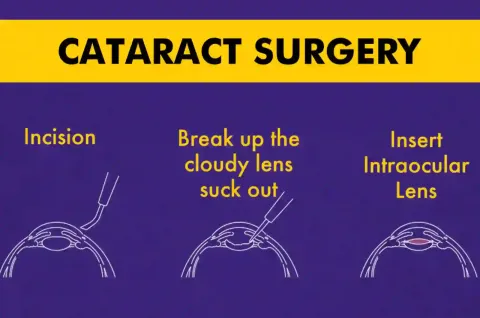
- Surgical Intervention: Phacoemulsification cataract surgery with intraocular lens (IOL) implantation is the preferred treatment. However, due to potential complications, careful preoperative assessment is required. Surgeons may use advanced techniques and customized intraocular lenses to achieve optimal outcomes.
- Post-Surgical Care: Patients with inflammatory eye conditions may require long-term steroid and immunosuppressive therapy to prevent recurrence. Regular follow-up visits help monitor for potential post-surgical complications such as cystoid macular edema.
Preventing Complicated Cataracts
While not all cases of complicated cataracts can be prevented, the risk can be minimized by:
- Managing underlying eye conditions effectively: Prompt treatment of conditions like uveitis, glaucoma, and diabetes can reduce the likelihood of developing secondary cataracts.
- Regular eye check-ups for early detection: Routine ophthalmologic examinations help detect subtle changes early, allowing for timely intervention.
- Using prescribed medications to control inflammation: Compliance with medical therapy is key in preventing chronic inflammation from affecting the lens.
- Protecting the eyes from trauma and UV exposure: Wearing protective eyewear and sunglasses can help reduce environmental risk factors.
Conclusion
Most people do well when a complicated cataract is found early, and the underlying cause is managed alongside cataract care. The main takeaways are simple: know the triggers, watch for specific signs, and follow the treatment plan your eye doctor recommends.?
With the right evaluation and timing, complicated cataract surgery can restore clarity and comfort.?If you notice new glare, halos, or blurred vision, book an eye exam to get the right diagnosis and next steps.
Frequently Asked Questions
What is a complicated cataract?
What is another name for a complicated cataract?
What is the most common complication of cataract?
What is considered complicated cataract surgery?
How is a complicated cataract diagnosed?
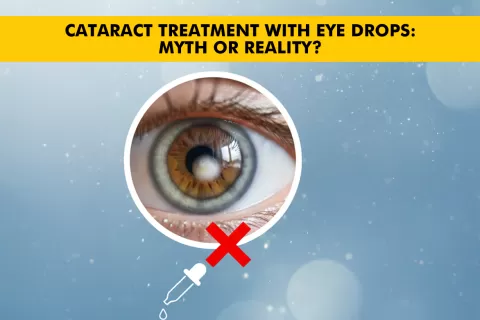
Can complicated cataracts be treated with medication or eye drops?
Is cataract surgery for complicated cataracts more complex or risky?
What are the causes of complicated cataracts?
What are the symptoms of complicated cataracts?
How is a complicated cataract treated?
What is the bread-crumb appearance in complicated cataracts?
What is polychromatic lustre in complicated cataracts?

Could not find what you are looking for?


