Retinal Diseases - Types, Symptoms and Treatments
- By Centre For Sight
- 7 minutes
Blog Summary
- Early detection of retinal issues is crucial to prevent permanent vision loss.
- Ageing, diabetes, and high blood pressure significantly increase retinal disease risk.
- Sudden floaters, flashes, or vision shadows signal possible retinal damage.
- Timely laser or surgical treatments can effectively restore and preserve vision.
- Regular eye checkups and lifestyle control are key to retinal health.
Retinal issues, if untreated, may cause irreversible vision loss. Early diagnosis, advanced treatments, lifestyle management, and regular eye checkups greatly improve outcomes, highlighting the need for proactive retinal healthcare.
The retina is a delicate and essential part of the eye. It is a thin layer of tissue located at the back of the eye that plays a crucial role in vision. The retina contains specialized cells called photoreceptors that detect light and send signals to the brain, allowing us to see. Unfortunately, the retina can be susceptible to various issues that can cause eye problems, affect our vision and overall eye health.
To understand further, what is the retina of the eye? It is the delicate tissue lining the back of the eyeball that acts like a camera sensor, translating light into visual information that allows clear sight.
Because of its delicate structure, any damage to the retina can significantly affect vision and may even lead to permanent sight loss if left untreated. Retinal disorders occur when the light-sensitive tissue at the back of the eye is damaged. Common retinal problems include macular degeneration, diabetic retinopathy, retinal tears, and detachment. Factors such as ageing, uncontrolled diabetes, high blood pressure, trauma, and family history increase the risk. Retinal tears may result when the eye's vitreous gel shrinks, potentially leading to retinal detachment.
What Are the Common Retinal Diseases?
There are several common retinal issues that individuals may encounter. These include:
- Retinal detachment: This occurs when the retina separates from the underlying tissue, leading to vision loss in the affected area.
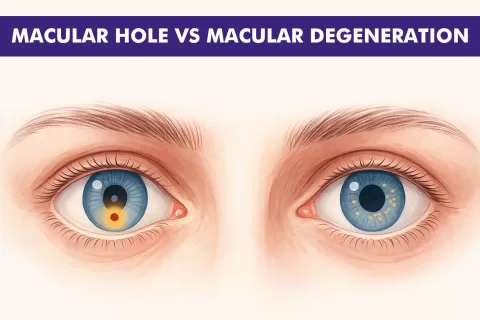
- Macular degeneration: This is a progressive condition that affects the macula, the central part of the retina responsible for sharp, central vision.
- Diabetic retinopathy: People with diabetes may develop this condition, which is characterized by damage to the blood vessels in the retina.
- Retinal tears: These are small breaks in the retina that can occur due to trauma or other underlying conditions.
These are just a few examples of common retinal issues, and each condition may have its own unique causes, symptoms, and treatments.
Causes and Risk Factors of Eye Problems
Several factors can contribute to various eye problems, especially the development of retinal issues. These include:
- Age: As we get older, the risk of certain retinal conditions, such as macular degeneration, increases.
- Genetics: Some retinal disorders have a genetic component, meaning they can be passed down through families.
- Chronic diseases: Conditions like diabetes and high blood pressure can increase the risk of developing retinal issues.
- Eye trauma: Injuries to the eye can cause retinal tears or detachments.
- Smoking: Tobacco use has been linked to an increased risk of retinal problems.
Understanding these causes and risk factors of retinal issues can help individuals take preventive measures and seek early treatment if necessary.
Symptoms of Retinal Diseases
The symptoms of retinal issues can vary depending on the specific condition. However, some common signs to watch out for include:
- Blurred or distorted vision
- Floaters or dark spots in the field of vision
- Flashes of light
- Difficulty seeing in low light or at night
- Loss of peripheral vision
If you experience any of these symptoms, it's important to consult with an eye care professional for a comprehensive eye examination.
Types of Retinal Diseases
Various types of retinal diseases can impact vision. Some of the most common ones include:
- Age-related macular degeneration (AMD): This is the leading cause of vision loss in individuals over the age of 50. It affects the macula, leading to a gradual loss of central vision.
- Diabetic retinopathy: As mentioned earlier, this condition occurs in individuals with diabetes and can cause damage to the blood vessels in the retina.
- Retinal vein occlusion: This occurs when a blood vessel in the retina becomes blocked, leading to vision loss in the affected area.
- Retinitis pigmentosa: This is a group of genetic disorders that cause a gradual loss of vision due to the breakdown and loss of cells in the retina.
These are just a few examples of retinal diseases, and each condition may require different treatment approaches.
How Experts Confirm Retinal Conditions (Diagnosis)
An ophthalmologist may dilate the pupils and perform imaging tests, such as OCT, angiography, or ultrasound. These tools help detect common retinal problems such as tears, swelling, bleeding, or detachment, ensuring accurate diagnosis and timely care.
Optical Coherence Tomography (OCT) provides detailed cross-sectional images of retinal layers, allowing specialists to detect swelling or thinning. Fluorescein angiography helps evaluate blood flow in retinal vessels and identify leaks or blockages. In some cases, fundus photography is used to document the retina's condition and monitor disease progression over time.
Routine eye examinations are not only for people with symptoms. Preventive screening can detect early changes long before noticeable vision loss occurs, which significantly improves treatment outcomes.
Approaches to Treatment and Care
Early treatment for retinal damage can prevent vision loss. Small tears may be treated with laser or cryotherapy, while advanced detachments may require surgery, such as vitrectomy, pneumatic retinopexy, or a scleral buckle. For vascular damage, intravitreal injections and laser therapy are often recommended.
Treatment plans vary depending on the severity and type of retinal disorder. Anti-VEGF injections, for instance, are commonly used to treat diabetic retinopathy and macular degeneration by reducing abnormal blood vessel growth. Steroid implants may also be recommended in certain inflammatory retinal conditions.
Recovery and prognosis depend on how quickly treatment is initiated. In many cases, patients can regain or stabilize vision if intervention occurs early. Following post-treatment care instructions, attending follow-up visits, and managing underlying health conditions are essential for long-term success.
Strategies to Prevent Retinal Damage
Steps for detached retina prevention include controlling diabetes and blood pressure, protecting eyes from injury, and scheduling regular eye checkups. Recognizing symptoms early and seeking professional care can preserve long-term vision.
A balanced diet rich in leafy greens, omega-3 fatty acids, and antioxidants can support retinal health. Nutrients such as lutein, zeaxanthin, vitamin A, vitamin C, and zinc play a role in maintaining healthy retinal cells. Staying hydrated and limiting excessive screen time can also reduce eye strain and dryness.
Wearing protective eyewear during sports or hazardous work environments helps prevent trauma-related retinal injuries. Additionally, quitting smoking significantly reduces the risk of macular degeneration and other retinal diseases.
Lifestyle Habits That Support Retinal Health
Maintaining healthy habits can go a long way in protecting vision:
- Keep blood sugar, cholesterol, and blood pressure under control.
- Follow a nutrient-rich diet that includes fruits, vegetables, nuts, and fish.
- Exercise regularly to improve blood circulation to the eyes.
- Take breaks during prolonged screen use using the 20-20-20 rule (every 20 minutes, look at something 20 feet away for 20 seconds).
- Get adequate sleep, as rest supports cellular repair and overall eye health.
The Importance of Regular Eye Examinations
Many retinal diseases develop gradually and may not show symptoms until significant damage has occurred. Comprehensive eye exams, especially after the age of 40 or earlier for high-risk individuals, are crucial for early detection.
Diabetic patients should undergo annual retinal screening, even if vision seems normal. Early identification of diabetic retinopathy can prevent severe complications through timely treatment and lifestyle adjustments.
When to Seek Immediate Medical Attention
Certain symptoms should never be ignored. Seek urgent medical care if you notice:
- A sudden increase in floaters
- Flashes of light in one or both eyes
- A dark curtain or shadow over part of your vision
- Sudden, painless vision loss
These signs may indicate retinal detachment or bleeding, both of which require prompt treatment to prevent permanent vision loss.
Conclusion
The retina is a delicate yet essential part of the visual system, and its health directly impacts the ability to see clearly. By recognizing symptoms early, maintaining healthy lifestyle habits, and scheduling regular eye examinations, individuals can significantly reduce the risk of retinal damage. Protecting retinal health is not only about preserving vision today but also about ensuring long-term quality of life.
Frequently Asked Questions
What are the most common causes of retinal detachment?
What are the signs of retinal damage?
What is the treatment for a detached retina in humans?
What are the symptoms of a retinal problem?
Can retina problems be cured?
What is the most common retinal disease?
How to improve retina?
Can the retina repair itself?
Which fruit is best for the retina?


Could not find what you are looking for?


