Can Coffee Reduce Cataract Risk? Understanding Caffeine's Role
- By Centre For Sight
- 6 minutes
Blog Summary
- Caffeine may reduce lens oxidative damage, a key factor in cataract progression.
- Caffeine's protective effect appears dose-dependent, making moderation more important than excess.
- Caffeine functions best as supportive nutrition, complementing antioxidants rather than acting alone.
- Dietary antioxidants enhance caffeine's lens protection, emphasising combined, balanced nutritional strategies.
- Long-term eye health depends on caffeine, nutrition, and lifestyle habits together.
The coffee you drink in the morning might be more than just wake you up. It may protect your eyes from Cataract as well. But before talking about how coffee can help, let's first understand what cataract is. Our eyes have a clear, crystalline lens which works to focus on things at varying distances. Due to various reasons, this lens becomes stiff and hardens to some extent, losing its ability to focus and creating sight issues without its youthful adaptability.
With these changes occurring in the natural lens with passing time, it can possibly lead to cataracts, which is clouding of the lens inside the eye causing loss of its power to focus light properly and therefore leading to loss of vision.Why is this is a big issue? Well, cataract development is one of the major causes of visual impairment and eventual blindness, if untreated.
Caffeine as a Possible Anti-Cataract Element: Exploring Its Protective Role in Eye Health
Caffeine is one of the most widely consumed bioactive compounds in the world. Found naturally in coffee, tea, and cocoa, it is best known for improving alertness and reducing fatigue. However, emerging research in ophthalmology suggests that caffeine may offer benefits beyond mental stimulation, particularly in protecting the eye's lens from oxidative damage that contributes to cataract development.
Recent experimental and observational studies have drawn attention to the relationship between caffeine and cataract formation, highlighting caffeine's antioxidant properties and its ability to preserve lens metabolism. This blog explores how caffeine may function as a potential anti-cataract element, the science behind these findings, and how dietary choices can further support long-term eye health.
Why Cataract Prevention Deserves Attention
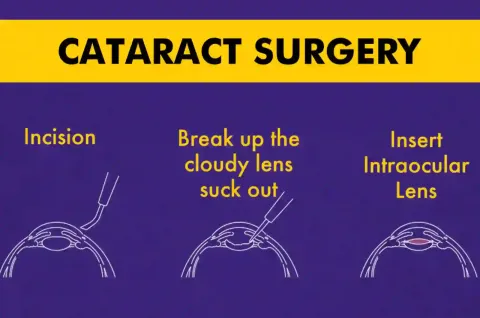
Cataract-related vision loss develops gradually, often without noticeable symptoms in its early stages. By the time vision impairment interferes with daily life, surgical intervention is usually the only effective treatment. Preventive strategies are therefore crucial not only to delay onset but also to reduce the severity and progression of lens opacity over time. Nutrition, lifestyle habits, and antioxidant intake all play a key role in maintaining lens clarity as we age.
The Science Linking Caffeine and Cataract Development
Understanding Oxidative Stress in the Eye Lens
The eye lens is constantly exposed to oxidative stress caused by ultraviolet light, metabolic activity, and environmental factors. This stress leads to protein aggregation and structural changes within the lens, eventually resulting in clouding. Antioxidants help neutralise free radicals, preserving lens transparency and cellular function.
Caffeine has been identified as a potent antioxidant, capable of scavenging reactive oxygen species and reducing oxidative damage in various tissues, including ocular tissues.
Experimental Evidence Supporting Caffeine's Protective Role
Several laboratory studies have explored caffeine's effect on cataract formation, with compelling results:
- Animal studies have demonstrated that lenses exposed to oxidative stress showed significantly less opacity when treated with caffeine.
- Caffeine was found to maintain higher levels of glutathione (GSH) - a critical antioxidant responsible for lens clarity.
- It also helped preserve ATP levels, which are essential for cellular energy and lens metabolism.
Topical and Dietary Caffeine: What Research Suggests
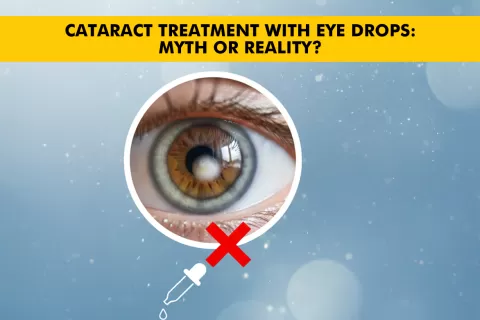
One of the most interesting findings from experimental research is that caffeine does not need to be ingested exclusively to exert its effects. Studies using caffeine-based eye drops showed:
- Reduced lens opacity
- Improved metabolic activity within the lens
- Lower oxidative damage markers
While these findings are not yet translated into mainstream clinical treatments, they suggest that caffeine's protective properties may be localised and direct, opening doors for future non-surgical interventions.
Coffee, Tea, and the Real-World Connection
Beyond laboratory settings, population-based studies have observed a correlation between coffee consumption and lower rates of cataract-related blindness in certain regions. Countries with higher per-capita coffee intake showed comparatively reduced prevalence of severe cataract impairment.
While correlation does not equal causation, these findings support the hypothesis that regular caffeine consumption as part of a balanced lifestyle may contribute to lens protection over time.
This growing body of evidence strengthens the discussion around caffeine and cataract risk reduction, especially when combined with other protective nutrients.
How Much Caffeine Is Potentially Beneficial?
Experimental studies often use caffeine concentrations higher than what most people consume daily. Translating these doses to humans could require very high caffeine intake, which is neither practical nor advisable due to side effects such as insomnia, anxiety, and increased heart rate.
The key takeaway is moderation. Moderate caffeine intake from natural sources like coffee and tea may contribute to antioxidant defense without compromising overall health.
Nutrition Beyond Caffeine: Supporting Lens Health Through Diet
While caffeine shows promise, it works best as part of a broader nutritional strategy. A diet rich in antioxidants, vitamins, and minerals provides comprehensive protection against oxidative damage and supports long-term eye health.
Key Nutrients That Complement Caffeine's Effects
Certain nutrients have been consistently linked to reduced cataract risk:
- Vitamin C helps protect lens proteins from oxidative damage
- Vitamin E stabilises cell membranes and prevents free radical injury
- Lutein and Zeaxanthin filter harmful blue light and reduce oxidative stress
- Omega-3 fatty acids support cellular integrity and reduce inflammation
These nutrients are naturally present in many everyday foods and are commonly recommended as part of cataract prevention foods in eye-care nutrition guidelines.
Foods That Strengthen Natural Lens Defense
Including the following in your daily meals can support lens health and enhance antioxidant intake:
- Leafy greens such as spinach and kale
- Citrus fruits like oranges and lemons
- Nuts and seeds, especially almonds and sunflower seeds
- Fatty fish, including salmon and sardines
- Brightly coloured vegetables like carrots and sweet potatoes
These are among the most effective foods that help prevent cataract, working synergistically with compounds like caffeine to reduce oxidative stress.
Lifestyle Factors That Enhance the Benefits of Caffeine
Caffeine's potential benefits can be maximised when combined with healthy lifestyle habits:
- Wearing UV-blocking sunglasses outdoors
- Avoiding smoking, which accelerates oxidative damage
- Managing blood sugar levels, especially in diabetes
- Staying hydrated to support ocular metabolism
- Scheduling regular eye check-ups for early detection
Should You Rely on Caffeine for Cataract Prevention?
While research into caffeine's protective role is promising, it is important to maintain realistic expectations. Caffeine is not a cure, nor can it replace medical care or surgical treatment once cataracts develop. However, as part of a preventive strategy that includes proper nutrition, eye protection, and regular eye exams, caffeine may offer an added layer of defense against oxidative damage.
The future of eye care may see caffeine-based formulations or targeted nutritional recommendations, but until then, moderation and balance remain key.
Frequently Asked Questions
Can caffeine help prevent cataracts naturally?
What is the connection between caffeine and cataract formation?
Does drinking coffee reduce the risk of cataracts?
Is caffeine effective in slowing cataract progression?

Could not find what you are looking for?


