Laser Cataract Surgery: Procedure, Benefits, Risks and Cost
- By Centre For Sight
- 6 minutes
Cataracts can cause blurry vision, difficulty seeing at night, and poor clarity in daily tasks. Laser cataract surgery is a modern option that improves accuracy and reduces manual steps, offering smoother recovery and better vision outcomes. This guide explains the complete process, benefits, risks, and costs.
What Is Laser Cataract Surgery?
Laser cataract surgery is an advanced, minimally invasive procedure that removes cataracts using precision laser technology. Cataracts occur when the natural lens of the eye becomes cloudy, leading to blurred vision, difficulty in seeing at night and an overall decline in visual clarity. If left untreated, cataracts can cause severe vision impairment, affecting daily activities like reading, driving and recognizing faces. For many patients, timely cataract surgery becomes essential to prevent further vision loss.
Laser cataract surgery differs from traditional methods by incorporating laser-assisted techniques that enhance accuracy, reduce surgical risks, and improve overall outcomes. This procedure allows ophthalmologists to remove cataracts with minimal trauma to surrounding eye tissues, making it a preferred option for many patients seeking effective vision restoration.
Types of Cataract Surgery - Laser vs Traditional
While both traditional and laser cataract surgeries are effective, they differ primarily in the method used during the initial steps.
Traditional Cataract Surgery (Manual Phacoemulsification)
- The surgeon creates corneal incisions manually using a blade.
- The capsulotomy is performed by hand.
- The lens is broken using ultrasound energy and removed.
Laser-Assisted Cataract Surgery (FLACS)
- Incisions and capsulotomy are done with laser precision.
- The lens is pre-softened with the laser before the ultrasound is used.
- Potentially less energy is required, which may reduce inflammation.
Both methods are widely used and safe. The choice depends on patient needs, lens type selected, and the surgeon's recommendation.
How Laser Cataract Surgery Works
Laser cataract surgery uses a femtosecond laser to perform steps that were traditionally done manually. It improves precision and reduces trauma to eye tissues.?
The laser assists with:
- Corneal incisions
- Capsulotomy (opening of the lens capsule)
- Lens fragmentation (softening the cataract for easier removal)
This improves precision and reduces manual variation in the early steps of the procedure.
Step-by-Step Process
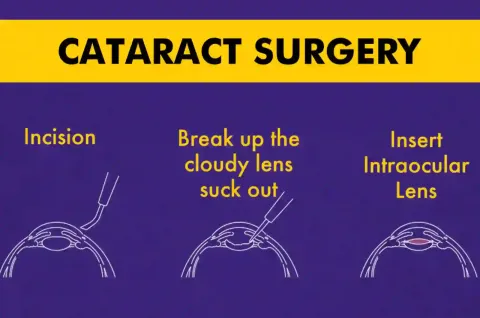
- Eye mapping: A detailed scan creates a 3D image of the eye to facilitate precise surgical planning.
- Laser Incisions: The laser makes clean, bladeless incisions.
- Lens Fragmentation: The laser softens and breaks the cataract into small pieces.
- Lens Removal: The surgeon removes the fragments using gentle suction.
- IOL Placement: A new intraocular lens is inserted by the surgeon.
Laser technology also allows correction of astigmatism, improving overall outcomes.
Who Benefits Most from Laser Cataract Surgery?
While the procedure is suitable for many, certain groups may experience added advantages:
- Patients choosing premium IOLs (multifocal, trifocal, EDOF)
- Individuals with astigmatism requiring precise incisions
- Patients wanting a bladeless procedure
- People with dense cataracts who benefit from laser fragmentation
- Those desiring predictable capsulotomy size and placement
Laser-assisted surgery offers enhanced precision, especially for individuals prioritizing refractive outcomes.
Benefits of Laser Cataract Surgery
- Higher surgical accuracy: The laser creates precise openings and reduces errors (benefits of laser eye surgery treatment).
- Faster healing: Many patients feel that laser cataract surgery heals faster compared to traditional surgery.
- No blades involved: A fully bladeless experience for more comfort.
- Improved safety: Less manual handling lowers the chance of complications.
Risks and Considerations
Laser cataract surgery is considered safe but may include:
- Temporary sensitivity to light
- Mild swelling or inflammation
- Higher cataract surgery cost compared to traditional methods
- Rare risks like infection or retinal issues
Recovery & Aftercare
- Mild blurriness for the first few days is normal
- Use prescribed eye drops regularly
- Avoid rubbing the eyes or heavy activities
- Wear protective eyewear while sleeping
- Attend follow-up visits to ensure proper healing
Most people resume normal routines within a week.
What to Expect Before the Surgery
Before undergoing laser cataract surgery, patients complete a comprehensive evaluation that includes:
- Vision assessment
- Measurement of eye pressure
- Corneal topography
- Retinal examination
- Biometry to determine IOL power
Your doctor will discuss lens options, including monofocal, multifocal, toric, and EDOF lenses. They will also explain the steps, expected results, and recovery timeline.
During the Surgery: Patient Experience
Laser cataract surgery is a quick and comfortable procedure. Here?s what typically happens:
- You receive numbing eye drops.
- The laser portion takes only a few minutes.
- You may feel slight pressure but not pain.
- After laser steps, you are moved to an operating microscope for phacoemulsification.
Most patients remain relaxed and comfortable throughout the entire process.
Post-Surgery Experience: First 48 Hours
It is normal to experience:
- Mild blurriness
- Slight irritation
- Light sensitivity
- Watering of eyes
These symptoms improve rapidly as the eye begins to heal. Most patients notice clearer vision within 24?72 hours.
When to Seek Immediate Medical Care
Though rare, complications may occur. Seek urgent care if you notice:
- Sudden drop in vision
- Increasing pain
- Persistent redness
- Flashes or floaters
- Signs of infection
Early management helps prevent long-term issues.
Long-Term Outcomes of Laser Cataract Surgery
Most people enjoy excellent outcomes after laser-assisted cataract surgery. Patients often report:
- Clearer, sharper vision
- Reduced dependence on glasses (especially with premium lenses)
- Better contrast sensitivity
- Improved night vision
Because the capsulotomy is highly consistent, IOL positioning is often stable, enhancing long-term visual outcomes.
Lifestyle After Laser Cataract Surgery
Here?s what doctors commonly advise:
You can do:
- Light activities like walking
- Watching TV
- Using your phone in moderation
- Returning to work in a few days
Avoid for the first 1?2 weeks:
- Rubbing eyes
- Swimming
- Dusty environments
- Heavy exercise
- Eye makeup
Following these steps ensures smooth healing.
Choosing the Right Surgeon
Laser cataract surgery requires advanced technology and expertise. When selecting a surgeon:
- Look for experience with femtosecond laser platforms
- Ask about success rates
- Understand which laser system is used (LenSx, Catalys, etc.)
- Discuss IOL options thoroughly
- Ensure the facility maintains high safety standards
The surgeon?s skills and technology platform both play major roles in outcomes.
Laser Eye Cataract Surgery Cost
The eye cataract laser surgery cost depends on:
- Hospital location
- Surgeon expertise
- Type of IOL chosen
- Technology used
Cataract surgery costs generally more due to advanced equipment, but many patients find the precision worth it.
Conclusion
Laser cataract surgery is a revolutionary advancement in cataract treatment, offering enhanced precision, reduced trauma, and improved visual outcomes. While the procedure may be more expensive than traditional methods, its benefits make it a preferred option for many patients seeking reliable and effective cataract removal.
Frequently Asked Questions
Is cataract surgery better with a laser?
How painful is laser cataract surgery?
Is laser eye surgery 100% safe?
Which is safer, manual or laser cataract surgery?
What age is best for laser eye surgery?
Can cataracts be cured by laser?
Does laser cataract surgery heal faster?
What are the benefits of laser eye surgery treatment for cataracts?
How much does laser cataract surgery cost?

Could not find what you are looking for?


