


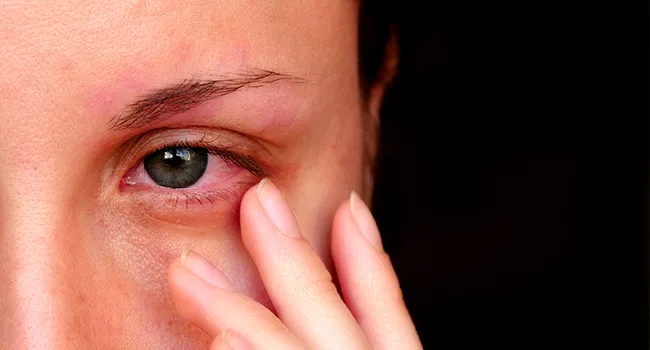
Summary: Watery eyes can signal irritation, allergies, or blocked tear ducts. Identifying the cause early and using proper treatment or home care helps restore comfort and protect long-term eye health.
Key Takeaways:
|
Watery eyes, medically known as epiphora, occur when tears overflow excessively from the eyes. Tears are essential for maintaining eye health, providing lubrication, and protecting against irritants. However, when tear production or drainage becomes imbalanced, it can lead to persistent watering that interferes with daily life. This blog aims to shed light on the common causes of watery eyes, their treatments, and practical home remedies for relief.
Why Your Eyes Keep Watering?
Watery eyes (also called epiphora) occur when tear production is too high or tear drainage is blocked. Many people wonder, “why are my eyes tearing up?” or especially, “why is only my left eye watering?” These symptoms point to a deeper issue, the reasons for watery eyes vary.
Common Causes of Watery Eyes
Several factors can contribute to excessive tearing. The causes of watery eyes can range from mild irritants to more serious underlying conditions:
- Irritants and Allergies
- Exposure to dust, wind, smoke, or bright light can trigger a reflex response, causing excessive tear production.
- Allergies to pollen, pet dander, or chemicals can also inflame the eyes and lead to tearing.
- Dry Eye Syndrome: Paradoxically, dry eyes can cause excessive tearing as the body produces more tears in response to dryness or irritation. This is a common reason for watery eyes, particularly in older adults.
- Blocked Tear Ducts: A blockage in the tear drainage system prevents tears from draining normally, leading to overflow. This is a common reason for persistent tearing.
- Infections and Inflammation
- Conjunctivitis (Pink Eye): Inflammation of the conjunctiva can result in redness, itching, and tearing.
- Blepharitis: Inflammation of the eyelids often leads to irritation and watery eyes.
- Eye Strain and Fatigue: Prolonged screen time or insufficient sleep can strain the eyes, causing discomfort and tearing.
- Structural Issues: Conditions like entropion (inward turning of the eyelid) or ectropion (outward turning of the eyelid) can interfere with normal tear drainage, leading to watery eyes.
Treatment for Watery Eyes
The appropriate treatment for watery eyes depends on the underlying cause. At Centre for Sight, we employ a range of diagnostic tools and treatments to address excessive tearing effectively:
- Medications and Eye Drops
- Eye drops for watery eyes are often prescribed to manage dryness-related tearing. For allergic tearing, antihistamine drops may provide relief.
- Antibiotics or anti-inflammatory medications are recommended if infections or inflammation are present.
- Tear Duct Procedures: For blocked tear ducts, simple surgical interventions like probing or dacryocystorhinostomy (DCR) can restore normal tear drainage.
- Corrective Surgery: Structural problems like entropion or ectropion may require corrective eyelid surgery to resolve the issue and restore proper tear flow.
- Addressing Dry Eye Syndrome: Dry eye treatments, such as prescription eye drops, punctal plugs, or lifestyle adjustments, can alleviate the root cause of excessive tearing.
- Allergy Management: For allergy-related watery eyes, avoiding triggers and using antihistamines or decongestant drops can reduce symptoms.
Home Remedies for Watery Eyes
In addition to medical treatments, several home remedies can help relieve mild cases of watery eyes or provide supplementary care.
- Warm Compress: Applying a warm compress to the eyes can help relieve irritation, open blocked tear ducts, and reduce inflammation.
- Maintain Eye Hygiene: Regularly clean your eyelids with a gentle cleanser or warm water to remove irritants and reduce the risk of infections like blepharitis.
- Hydration and Nutrition: Staying hydrated and consuming foods rich in omega-3 fatty acids, like fish and flaxseeds, can support tear production and eye health.
- Avoid Irritants: Limit exposure to wind, smoke, and bright light by wearing protective eyewear or sunglasses.
- Follow the 20-20-20 Rule: To prevent eye strain, take a break every 20 minutes by looking at an object 20 feet away for 20 seconds, especially during prolonged screen use.
How to Prevent Watery Eyes?
Preventing watery eyes involves a combination of lifestyle adjustments and proactive care. Here are some tips on how to prevent watery eyes:
- Use Protective Gear: Wear sunglasses to shield your eyes from wind, dust, and UV rays.
- Limit Screen Time: Take regular breaks to prevent eye strain and dryness.
- Allergy Management: Minimise exposure to allergens and use prescribed medications when necessary.
- Hydrate: Drink plenty of water.
- Regular Eye Check-ups: Consult an eye specialist for routine exams to detect and treat potential issues early.
When to See an Eye Specialist?
While mild, watery eyes often resolve on their own, persistent or unexplained tearing requires professional attention. Contact your eye doctor if you experience:
- Continuous tearing lasting more than a few days.
- Pain, redness, or swelling accompanying watery eyes.
- Blurred vision or difficulty seeing.
At Centre for Sight, our experienced specialists are equipped to diagnose and treat all types of eye conditions, ensuring optimal eye health and comfort.
FAQs
Why are my eyes tearing up constantly?
Persistent tearing may result from allergies, irritants, dry eye syndrome, or blocked tear ducts. A detailed evaluation by an eye specialist can determine the exact cause.
Why is only my left eye watering?
If only one eye, such as the left eye, is watering, it could be due to a blocked tear duct, infection, or structural issue in that particular eye.
What are the best eye drops for watery eyes?
The best eye drops for watery eyes depend on the cause. Artificial tears are effective for dryness, while antihistamine drops work well for allergies. Consult your doctor for a personalized recommendation.
Can watery eyes be a sign of dry eyes?
Yes. Dry eyes can trigger reflex tearing, where the eyes produce excess tears to compensate for dryness and irritation.
Do blocked tear ducts always need surgery?
Not always. Mild blockages may improve with warm compresses and massage, but persistent blockage may need a minor procedure.
Can too much screen time cause watery eyes?
Yes. Prolonged screen use can strain the eyes and reduce blinking, leading to irritation and excessive tearing.
Are watery eyes common with ageing?
Yes. Tear drainage issues and dry eye syndrome become more common with age, making watery eyes more frequent.
Can home remedies completely cure watery eyes?
Home remedies help relieve mild symptoms, but ongoing or severe watery eyes need medical evaluation to treat the root cause.