When Should You Get Cataract Surgery? Signs & Treatment
- By Centre For Sight
- 6 minutes
Blog Summary
- Cataract surgery timing depends on functional vision loss, not cataract maturity alone.
- Persistent glare, night vision difficulty, and fading colours signal surgical evaluation.
- Modern cataract procedures prioritise precision, safety, and faster visual recovery.
- Lens selection during surgery directly influences long-term visual clarity and convenience.
- Timely intervention improves independence while avoiding complications from advanced cataracts.
As we age, there come inevitable changes in our bodies which affect us in different ways.Various things in our body begin to change including the eyes.
Our eyes have a crystalline lens which works to focus on things at varying distances. This lens becomes stiff and hardens to some extent, losing its ability to focus properly. With these changes occurring in the natural crystalline lens with passing time, it can possibly lead to cataracts, which is clouding of the ocular lens causing loss of its clarity therefore leading to blurred vision.When cataract forms, surgery is the only way to treat it.
In cataract treatment, the surgeon removes the clouded lens and puts an Intra Ocular Lens (IOL) in your eyes. Your vision will be as good as pre-cataract days, though you may need to wear glasses. Over the years, cataract surgery has moved from vision restorative to refractive surgery, so that you have reduced need of glasses.
When to Opt for Cataract Surgery and How Advanced Treatment Restores Clear Sight
Cataracts develop gradually, often without dramatic early symptoms, but their impact on vision steadily increases. What begins as mild blurring or glare can eventually interfere with reading, driving, screen use, and overall independence. This slow progression makes many patients unsure about when to get cataract surgery, often delaying treatment longer than necessary.
Modern cataract surgery has evolved significantly, offering safe, precise, and highly effective solutions that restore clear vision and improve quality of life. Understanding the right time to intervene, recognising visual changes that matter, and knowing available surgical options can make the cataract surgery decision far more confident and informed.
How Cataracts Gradually Affect Vision Over Time
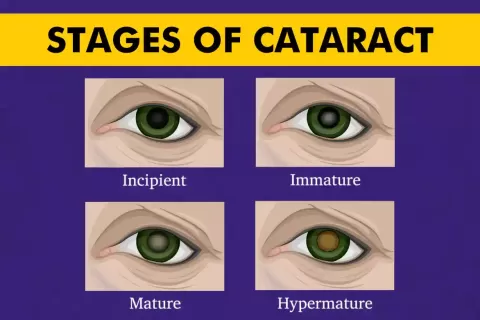
Cataracts do not usually cause sudden vision loss. Instead, the natural lens becomes progressively cloudy, affecting how light enters the eye. Over time, this leads to:
- Blurred or hazy vision
- Reduced contrast and sharpness
- Increased glare from lights
- Difficulty seeing in low-light conditions
In the early stages, these changes may seem manageable. However, cataracts continue to worsen, and no medication or eyewear can reverse lens clouding. Surgery is the only definitive treatment once vision is significantly affected.
When to Get Cataract Surgery: Timing Based on Vision, Not Age
One of the most common misconceptions is that cataracts must reach a ?mature? stage before surgery. In reality, when to get cataract surgery depends far more on how vision loss affects daily life than on the cataract's size or age.
Eye specialists generally recommend considering surgery when visual impairment begins to interfere with routine activities such as:
- Reading or using digital screens
- Driving, especially at night
- Watching television or recognising faces
- Performing work-related or household tasks safely
If visual clarity cannot be improved with glasses or lighting adjustments, it may be the right time to discuss surgical options.
Signs You Need Cataract Surgery That Should Not Be Ignored
Recognising the signs you need cataract surgery early helps prevent unnecessary strain, accidents, or reduced independence.
Persistent Vision Blurring Despite Glasses
When updated prescriptions no longer provide meaningful improvement, lens clouding is likely progressing.
Increased Glare and Halos
Sensitivity to headlights, sunlight, or bright indoor lighting can significantly affect comfort and safety.
Difficulty With Night Vision
Reduced visibility in dim conditions or while driving at night is a strong indicator for surgical consideration.
Washed-Out or Yellowed Colors
Changes in color perception suggest that the cataract is affecting contrast sensitivity.
Vision Limiting Daily Independence
When visual difficulties start affecting confidence, mobility, or work, surgery becomes a quality-of-life decision.
Making the Cataract Surgery Decision: What Truly Matters
The cataract surgery decision is best made through a combination of clinical evaluation and personal lifestyle assessment.
Your ophthalmologist will assess:
- Visual acuity and contrast sensitivity
- Degree of lens clouding
- Impact on daily tasks and safety
- Presence of other eye conditions
Equally important are personal considerations such as:
- Occupational visual demands
- Driving needs
- Lifestyle expectations
- Overall health and healing capacity
Types of Cataract Surgery: Understanding Modern Options
Advancements in technology have made cataract surgery safer, faster, and more precise than ever. Below are the main types of cataract surgery performed today:
Phacoemulsification (Standard Cataract Surgery)
This is the most commonly performed technique worldwide. It involves:
- A small incision in the eye
- Ultrasound energy to break the cloudy lens
- Removal of lens fragments
- Implantation of an artificial intraocular lens (IOL)
Phacoemulsification offers quick recovery, minimal discomfort, and excellent visual outcomes.
Femtosecond Laser-Assisted Cataract Surgery (FLACS)
This advanced technique uses laser technology to assist key steps of surgery, including:
- Creating precise incisions
- Softening the cataract
- Improving lens positioning accuracy
FLACS enhances surgical precision and may benefit patients seeking premium visual outcomes or astigmatism correction.
Intraocular Lens (IOL) Options That Restore Vision
Cataract surgery is not just about removing the cloudy lens ? it's about choosing the right replacement lens.
Common IOL types include:
- Monofocal lenses for clear distance vision
- Toric lenses to correct astigmatism
- Multifocal or extended-depth lenses to reduce dependence on glasses
Your surgeon will recommend an IOL based on eye health, lifestyle needs, and visual expectations.
How Advanced Cataract Treatment Restores Clear Sight
Modern cataract surgery typically:
- Takes 15?30 minutes
- Is performed under local anaesthesia
- Requires no hospital stay
Many patients notice improved vision within days, with continued clarity as healing progresses. Colors appear brighter, contrast improves, and everyday activities become easier and safer.
Recovery After Cataract Surgery: What to Expect
Recovery is generally smooth and quick. Most patients can:
- Resume normal routines within a few days
- Use prescribed eye drops to prevent infection and inflammation
- Attend follow-up visits to monitor healing
- Temporary precautions may include avoiding eye rubbing and heavy lifting for a short period.
When Waiting Is Acceptable ? and When It's Not
It's reasonable to monitor cataracts if vision remains functional and safe. However, delaying surgery despite worsening symptoms can:
- Increase visual strain
- Reduce the quality of life
- Make surgery technically more challenging
Regular eye exams ensure that the cataract surgery decision is made at the right time, not too early and not too late.
With modern techniques and customised lens solutions, cataract surgery today is a safe, effective way to restore clear sight, confidence, and independence, helping patients see the world sharply once again.
Frequently Asked Questions
When should someone consider cataract surgery?
What are the early signs that you need cataract surgery?
Is cataract surgery based on age or vision problems?
What types of cataract surgery are available today?
How soon does vision improve after cataract surgery?


Could not find what you are looking for?


