How and Where to Donate Eyes: Complete Guide for Donors
- By Centre For Sight
- 6 minutes
Blog Summary
- Eye donation involves donating the cornea after death to restore sight.
- In eye donation, the cornea is used; other parts are not typically transplanted
- There is no fixed age limit for eye donation; suitability depends on the health of the cornea rather than the donor's age.
- Individuals with infectious diseases or severe eye disorders are among those who cannot donate eyes.
- The eye donation procedure is simple, quick, and free.
- The importance of eye donation lies in reducing corneal blindness globally.
- Benefits of eye donation include restored vision, improved quality of life, and reduced transplant wait times.
- If you're unaware of how to donate eyes, start by registering with an eye bank and informing your family.
Eye donation is a noble and life-changing act that helps restore vision for individuals suffering from visual impairment due to corneal diseases. This act of giving offers hope and light to countless people, and understanding the process, eligibility, and facts about eye donation can encourage more individuals to take part in this life-altering endeavor.
In this blog, we will explore everything you need to know about eye donation, including who can donate, which part of the eye is donated, and the potential impact it has on recipients.
What Is Eye Donation?
Eye donation refers to the voluntary act of giving one's eyes after death to help restore the sight of individuals suffering from corneal blindness. In eye donation, the cornea - the transparent front layer that focuses light - is carefully retrieved and transplanted into a recipient.
Eye donation surgery (corneal transplant) is one of the most effective ways to treat corneal blindness, making the importance of eye donation extremely high in reducing avoidable vision loss.
Which Part of the Eye Is Donated?
The primary part of the eye that is donated is the cornea. The cornea is the transparent, dome-shaped layer at the front of the eye. It helps focus light, aiding in proper vision.
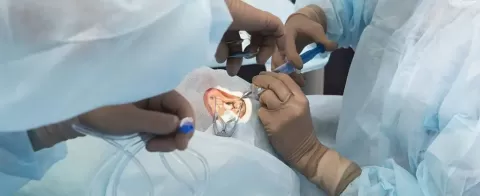
During the eye donation operation, corneas are retrieved within a few hours after death and preserved for transplant. The remaining structures of the eye are generally not used for transplantation.
Who Can Donate Eyes?
Most individuals can donate their eyes regardless of age, as long as the corneas remain healthy. There is no strict eye donation age limit.
People can donate if:
- They pass away in a hospital or at home
- They have healthy eyes at the time of death
- They do not have certain infectious or systemic diseases
Even individuals with diabetes, hypertension, or other common health conditions can typically donate as long as their corneas are suitable.
Who Cannot Donate Eyes?
Some medical conditions make individuals ineligible for eye donation. People cannot donate eyes if they had:
- Infectious diseases such as HIV/AIDS, hepatitis B or C, rabies, or septicemia
- Certain types of cancer affecting the blood or infectious in nature
- Severe eye diseases, such as:
- Advanced glaucoma
- Severe retinal disorders
- Extensive corneal damage
These conditions may compromise the cornea's quality.
Facts About Eye Donation
There are several important facts about eye donation that can help clarify common misconceptions:
- Eye donation is quick as corneas are retrieved within 4/6 hours post-death.
- It does not disfigure the body, retrieval is done carefully and does not affect appearance.
- It does not delay funeral arrangements.
- The eye donation process is free of cost and does not involve any financial charges for the donor's family.
Benefits of Eye Donation
The benefits of eye donation go beyond the individual recipient. It brings significant improvements to the quality of life for those who are suffering from corneal blindness. The benefits of eye donation extend far beyond the surgery:
- Restores vision for individuals with corneal blindness
- Reduces waiting time for corneal transplants
- Gives recipients a renewed opportunity to lead independent lives
- Helps address the shortage of donor corneas in India and globally
- Creates a lasting legacy by transforming another person's life
How Eye Donation Saves Lives
Eye donation plays a crucial role in combating the growing need for corneal transplants. There are millions of people worldwide who are visually impaired, and many are waiting for a suitable donor. By pledging to donate eyes, individuals can help alleviate the waiting time for these patients, potentially restoring vision for people who have lost hope.
Eye Donation Procedure - Step-by-Step
The eye donation process is relatively simple and involves the following steps:
- Registering as a donor - Contact an eye bank and pledge your eyes.
- After death - A family member or friend must inform the nearest eye bank immediately. The eye donation operation is performed within a few hours.
- Cornea retrieval - Trained professionals remove the corneas carefully. The procedure is non-invasive and takes 20/30 minutes.
- Transport and storage - The corneas are preserved and transported to an eye bank.
- Transplant - When a suitable recipient is found, the cornea is transplanted through a routine surgical procedure.
Eye Donation Price
The process of eye donation is completely free. There is no financial charge for donating or receiving corneas. However, there may be some administrative costs or transportation fees associated with the procedures involved in eye banking. These costs are typically borne by the organization or medical facilities handling the donation.
Consider becoming an eye donor today and help restore vision to those in need. Register Now to Donate Your Eyes
Conclusion
Eye donation is a powerful, life-changing act that restores sight and brings hope to individuals facing corneal blindness. By understanding what is eye donation, which part of the eye is donated, eligibility, and the eye donation procedure, you can make a well-informed decision.
If you wish to make a difference, we encourage you to register with your local eye bank and contribute to a cause that can make a meaningful difference.
FAQs:
What is eye donation price?
Eye donation is completely free. Donors or their families are not charged for the retrieval of the cornea, preservation, or any related procedure. Eye banks and hospitals handle these costs.
What is the process of eye donation after death?
After a person passes away, a family member must call the nearest eye bank immediately. A trained retrieval team then arrives to collect the corneas. The procedure is quick, respectful, and does not disfigure the body. The corneas are then preserved at an eye bank until they are transplanted to a recipient.
What Is Eye Donation?
Eye donation refers to the donation of the corneas, the transparent layers of the eye, to help individuals suffering from corneal blindness.
Which Part of Eye Is Donated?
The cornea, the transparent outer layer of the eye, is the part that is typically donated.
Who can donate eyes?
People of all ages and health conditions, except those with infectious diseases or severe eye conditions, may be eligible to donate their eyes.
Who cannot donate eyes?
People suffering from severe eye diseases, active infections, or cancer are generally not eligible to donate their eyes.
What happens after eye donation?
After eye donation, the eye bank acknowledges the donor’s family with a certificate of appreciation. The donated eyes are taken to the eye bank, where the corneal surgeon conducts necessary examinations and tests. Suitable corneal tissue is then allocated to a recipient based on the waiting list. The recipient undergoes a corneal transplant, followed by regular post-surgery examinations and care.
What is the average time of transplanting the donated cornea?
The collected cornea is usually transplanted within 4 days after the donation. It depends on the method used for cornea preservation.
How do I ensure that the eyes donated will be used rightly?
Eye donation is a legal act. All eye banks are registered and operated under the Transplantation of Human Organs Act, 1994. The government takes strict actions in case of any complaint against the eye bank.


Could not find what you are looking for?


