How to Choose the Best Cataract Surgery Specialist in India?
- By Centre For Sight
- 6 minutes
Blog Summary
- One of the main causes of blindness in India is cataract. It is one of the major causes of blindness.
- The initial symptoms of cataract are blurred vision, sensitivity to glare, poor night vision, and faded colours.
- A cataract surgery specialist can perform complex procedures such as phaco and laser surgery.
- Modern cataract surgeries are quick (10?20 mins), painless, and have a high success rate.
- Choosing the right specialist for cataract surgery ensures better visual outcomes and fewer complications.
- Key selection factors include experience, technology, patient reviews, and lens options (IOLs).
- Vision improvement is usually seen within 24?48 hours, with full recovery in a few weeks.
- Risks are minimal but may include infection, inflammation, or temporary blurred vision.
- Proper post-surgery care and follow-ups are essential for smooth recovery and long-term results.
Cataract is one of the most common eye-related disorders affecting people across the globe. It is also a primary cause of visual impairment in ageing adults. Some patients tend to unduly delay their treatment due to fear and confusion about selecting the right doctor or the outcomes of the surgery. In this blog, you will understand the role of a cataract surgery specialist, how to choose the right one, what to expect from modern cataract procedures, and how to ensure safe, successful outcomes.
What is a Cataract and Why Timely Treatment Matters?
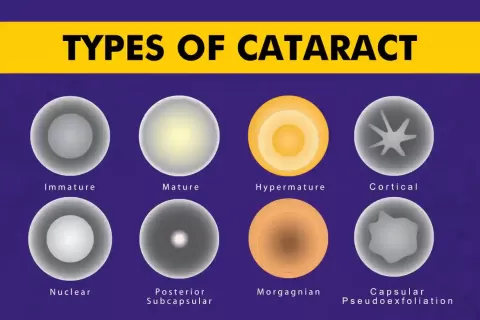
A cataract is a condition in which the lens in the eye becomes cloudy. In India, cataracts account for nearly 50?70% of blindness cases, according to the National Programme for Control of Blindness and Visual Impairment.
Common Symptoms:
- Blurred or cloudy vision
- Increased sensitivity to light and glare
- Difficulty seeing at night
- Faded or yellowish colours
- Double vision in one eye
Cataract develops gradually and may go unnoticed in early stages. However, once the vision problems start interfering with your daily life habits, such as reading, driving, or screen use, surgery becomes the only effective treatment.
Who is a Cataract Surgery Specialist?
A cataract surgery specialist is an ophthalmologist trained specifically to diagnose and surgically treat cataracts using advanced techniques such as phacoemulsification and laser-assisted cataract surgery.
What sets a specialist apart?
- Expertise in high-volume cataract surgeries: Eye specialists who perform a large number of surgeries regularly have better precision, efficiency, and consistency in outcomes. Their experience helps them handle variations in eye conditions smoothly, reducing the chances of complications.
- Experience with premium intraocular lenses (IOLs): A skilled specialist is well-versed in advanced IOL options like multifocal and toric lenses. This ensures patients get customised vision correction, often reducing dependence on glasses after surgery.
- Ability to handle complex cases (diabetes, high myopia, etc.): Patients with conditions like diabetes or severe refractive errors require extra care. An experienced eye specialist can predict challenges and ensure safe outcomes even in complicated situations.
- Use of advanced diagnostic and surgical technology: The availability of technologies such as optical biometry, OCT scans, and femtosecond lasers can improve the accuracy of diagnosis, calculation of lenses, and surgical procedures, which can result in better visual outcomes for patients.
Types of Cataract Surgeries in India
Today, cataract surgery is quick, safe, and highly effective, with a high success rate. Let's see the type of surgeries available:
| Type of Surgery | Technique used | Key features | Best suited for |
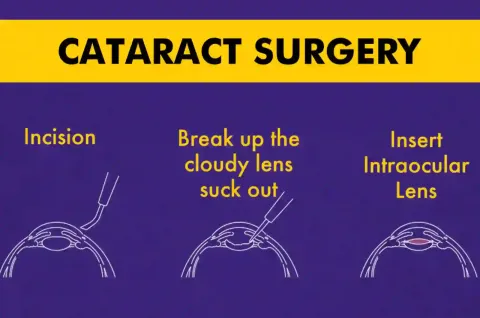
| Phacoemulsification (Phaco Surgery) | Ultrasonic waves break the cloudy lens into small fragments, which are then removed | Small incision, quick procedure, faster recovery, minimal stitches | Most common cases: patients looking for quick healing |
| Femtosecond Laser-Assisted Cataract Surgery (FLACS) | Advanced laser technology performs key steps of surgery with high precision | Blade-free, highly accurate, better lens positioning, premium outcomes | Patients opting for advanced technology and premium vision correction |
| Manual Small Incision Cataract Surgery (MSICS) | Manual technique using a slightly larger incision to remove the lens | Cost-effective, does not require expensive machines, effective for dense cataracts | Advanced cataracts or patients seeking affordable treatment |
Why Should You Choose the Right Cataract Surgery Specialist?
Although cataract surgery is a safe procedure, the outcomes also depend on the surgeon's experience. Hence, you must see a skilled surgeon who can help you achieve clear vision, sometimes with minimal to nil need for glasses. Key reasons:
- Precision is important to deliver quality vision: The process of cataract surgery includes removing your cloudy lens and replacing it with an artificial lens. Precision is vital to ensuring high-quality vision. A skilled specialist will ensure precision in the process, which will greatly impact the sharpness of your vision.
- Choice of IOL is important to deliver quality vision after surgery: Intraocular lenses (IOLs) are not one-size-fits-all. The right specialist evaluates your lifestyle, age, and eye condition to recommend the most suitable lens, whether monofocal, multifocal, or toric. The correct IOL choice can significantly reduce or even eliminate the need for glasses.
- Reduces the risk of complications after surgery: While cataract surgery is generally safe, risks such as infection, inflammation, or lens misalignment can occur. An experienced cataract surgery specialist follows strict protocols and uses advanced techniques to minimise these risks and manage any issues that arise effectively.
- Reduces the recovery time and enhances the patient's experience: A successful surgery reduces pain and helps in the quick recovery of the eyes. Moreover, a good specialist also provides proper guidance before and after surgery, thus giving the patient a stress-free experience.
How to Choose the Best Cataract Surgery Specialist in India?
To choose the best specialist for cataract surgery, you must consider the following factors.?
| Factor | What to look for? | Why does it matter? |
| Qualifications & Experience | MS/MD/DNB in Ophthalmology, fellowship in cataract/refractive surgery, high surgical volume | Ensures the specialist has the required expertise and hands-on experience for safe outcomes |
| Technology & Infrastructure | Availability of advanced tools like Optical Biometry, OCT, and laser-assisted systems | Improves accuracy in diagnosis, lens calculation, and surgical precision |
| Patient Reviews & Outcomes | Positive patient testimonials, high success rates, and the reputation of the hospital | Gives real-world insight into patient satisfaction and quality of care |
| Transparency & Communication | Clear explanation of procedure, risks, costs, and recovery | Builds trust and helps patients make informed decisions |
| Lens Options Offered | Availability of monofocal, multifocal, and toric intraocular lenses (IOLs) | Helps customise vision correction based on lifestyle and visual needs |
| Post-Operative Care | Structured follow-up plan, easy access to a doctor for concerns | Ensures smooth recovery and timely management of? any complications |
Conclusion
Today, cataract surgery is considered one of the safest and most effective medical procedures. Nevertheless, the secret to a successful outcome depends on selecting the best cataract surgery specialist, who has the required expertise and also utilizes the latest technology and provides patient-centred care. Thus, with the help of a skilled expert, your vision can be corrected, and a better quality of life can also be achieved.
Frequently Asked Questions
When should I consult a cataract surgery specialist?
Is cataract surgery painful when performed by a specialist?
How soon can I resume routine activities after surgery by a cataract specialist?
Can cataracts come back after being treated by a cataract surgery specialist?
How long does a cataract surgery specialist take to perform the procedure?

Could not find what you are looking for?


