

Summary: Hyperopia is a refractive condition where near vision becomes challenging due to eye shape. Early detection, proper corrective measures, and routine eye exams help maintain clear, comfortable vision throughout life.
|
Key Takeaways:
|
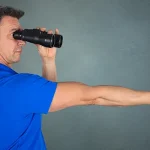
Hyperopia (farsightedness) is a refractive error in which a person can see distant things better than nearby objects. For instance, a person could see a traffic light/billboard, which is far away relatively close, but might not be able to read a newspaper.
What Causes Hyperopia and Why It Happens
Hyperopia, or farsightedness, develops due to the structure of the eye. One of the main hyperopia causes is an eyeball that is too short from front to back, preventing light from landing directly on the retina. Another cause of farsightedness is a cornea that is flatter than normal, which causes light to focus behind the retina and makes nearby objects appear blurry.
Genetic Factors Behind Farsighted Hyperopia
Many people are born with farsighted hyperopia because their eye shape, either a shorter eyeball or a flatter cornea, naturally predisposes them to the condition. Genetics can influence this, and a family history of hyperopia increases the likelihood. In some children, the eyes may adjust as they grow, improving their hyperopia vision over time.
Recognizing Hyperopia Symptoms and How It Affects Vision
People with farsightedness often struggle to focus on nearby objects. Common hyperopia symptoms include blurry near vision, such as difficulty reading small text or seeing objects up close. Eye strain, fatigue, or a burning sensation may occur after prolonged close-up tasks like reading or sewing. Frequent squinting, headaches, or discomfort during near work are also typical signs of farsighted hyperopia.
In mild hyperopia, symptoms may go unnoticed because the eyes compensate, but persistent issues should be evaluated by an eye specialist.
Diagnosing Farsightedness: How Hyperopia Is Detected
Farsightedness is diagnosed through a comprehensive eye exam. A refraction test determines whether you have hyperopia or other refractive errors. Doctors may also dilate the pupils to examine internal structures and assess how the eye focuses light, an accurate way to define hyperopia and its severity.
Hyperopia Treatment Options for Clearer Vision
Glasses and Contact Lenses
One of the most common forms of hyperopia treatment is prescription eyeglasses or contact lenses. These lenses for farsightedness redirect how light enters the eyes so it focuses correctly on the retina, improving clarity for near tasks.
Surgical Solutions
For those who need more permanent farsightedness treatment, procedures like laser-based surgery can reshape the cornea to help light focus accurately. In more advanced cases, lens replacement surgery may be recommended as part of hyperopia treatment.
Importance of Regular Eye Checks
Routine eye examinations are essential for both children and adults, as vision can change over time. Early detection and correction of hyperopia vision help prevent strain and maintain long-term eye health.
When to Seek Professional Help?
If you face frequent eye strain, blurry near vision, or headaches while focusing up close or if your current corrective lenses no longer help, consult an eye specialist. Proper farsightedness treatment ensures clearer vision, comfort, and a better quality of life.
What do we offer at Centre for Sight?
Here, at Centre for Sight, we have a team of dedicated eye doctors who handle all kinds of cases with refractive errors. Our experts do a thorough examination to diagnose the patient’s eye with accuracy and suggest the most appropriate treatment.
How Hyperopia Affects Daily Activities Over Time
Hyperopia may appear mild in its early stages, but its impact on daily life can gradually increase if left uncorrected.
- Tasks that require sustained near focus, such as reading, writing, using digital devices
- Performing detailed work can become increasingly uncomfortable.
- Many people with farsightedness report avoiding close-up activities due to discomfort.
- Can affect productivity, learning, and overall quality of life.
In adults, uncorrected hyperopia often leads to visual fatigue by the end of the day. In children, it may interfere with reading skills, attention span, and academic performance, especially during early developmental years.
Hyperopia in Children: Why Early Detection Matters
Hyperopia is common in infants and young children because their eyes are still developing. In many cases, mild farsightedness improves naturally as the eyeball lengthens with growth. However, moderate to high hyperopia may persist and require correction.
Undiagnosed hyperopia in children can lead to:
- Difficulty concentrating during reading or schoolwork
- Eye strain and headaches
- Poor hand–eye coordination
- Risk of developing amblyopia (lazy eye)
- Strabismus (eye misalignment) in severe cases
Regular pediatric eye exams play a crucial role in identifying farsighted hyperopia early and preventing long-term visual complications.
Hyperopia vs Presbyopia: Understanding the Difference
Hyperopia is often confused with presbyopia, but the two conditions are different.
Hyperopia:
- Is a refractive error related to eye shape
- Can occur at any age
- Affects near vision primarily
- Is often present from childhood
Presbyopia:
- Is an age-related condition
- Typically begins after age 40
- Occurs due to reduced lens flexibility
- Affects everyone eventually
Some adults may have both conditions simultaneously, making accurate diagnosis essential for effective treatment.
How the Eye Compensates for Hyperopia?
In younger individuals, the eye’s natural focusing ability (accommodation) can temporarily compensate for farsightedness. The eye muscles work harder to bring near objects into focus, which may mask symptoms initially.
However, constant overuse of these muscles can lead to:
- Eye fatigue
- Headaches
- Burning or aching sensations
- Reduced visual comfort
As people age, the eye’s ability to compensate decreases, making hyperopia symptoms more noticeable over time.
Impact of Digital Screens on Hyperopia Vision
Prolonged screen exposure can worsen symptoms of farsighted hyperopia. Digital devices demand continuous near focusing, which strains already overworked eye muscles.
People with hyperopia may notice:
- Faster onset of eye strain during screen use
- Difficulty shifting focus between screen and distance
- Increased dryness or irritation
Proper vision correction, ergonomic screen positioning, and regular breaks help reduce digital strain in farsighted individuals.
Advanced Diagnostic Tests for Hyperopia
Beyond standard refraction tests, eye specialists may use additional diagnostic tools to assess farsightedness accurately.
These may include:
- Cycloplegic refraction to relax focusing muscles
- Corneal topography to assess corneal shape
- Retinal examination to evaluate eye health
- Binocular vision assessment to check eye coordination
Such detailed evaluations help determine the exact degree of hyperopia and guide personalised treatment plans.
Choosing the Right Hyperopia Treatment Approach
The best hyperopia treatment depends on factors such as age, severity, lifestyle, and eye health.
For children:
- Glasses are commonly recommended
- Regular monitoring ensures vision development stays on track
For adults:
- Glasses or contact lenses offer flexible correction
- Surgical options may be considered for long-term correction
An eye specialist evaluates these factors carefully before recommending the most suitable option.
Lifestyle Adjustments to Support Hyperopia Management
While corrective lenses or surgery address the optical issue, lifestyle habits play a supportive role in managing farsightedness.
Helpful practices include:
- Maintaining proper reading distance
- Ensuring good lighting during near work
- Taking regular breaks from close-up tasks
- Following a balanced diet rich in eye-friendly nutrients
- Scheduling routine eye exams
These measures help reduce strain and maintain visual comfort.
Can Hyperopia Change Over Time?
Hyperopia can change as the eye develops or ages. In children, farsightedness may decrease naturally as the eye grows. In adults, symptoms may remain stable or become more noticeable due to reduced accommodative ability.
Regular eye exams help track changes and adjust prescriptions accordingly, ensuring consistent clarity and comfort.
Importance of Long-Term Monitoring
Even when hyperopia is corrected, ongoing monitoring is important. Changes in prescription, eye muscle balance, or overall eye health can influence vision quality.
Routine checkups allow early detection of:
- Increasing farsightedness
- Development of presbyopia
- Associated eye conditions such as glaucoma or cataracts
Proactive care ensures long-term eye health and visual stability.
Conclusion
Hyperopia is a common and manageable refractive condition that affects people of all ages. While it may begin subtly, its impact on near vision, comfort, and daily functioning can increase without proper care. Understanding the causes, recognising early symptoms, and seeking timely diagnosis are essential steps toward effective management.
With modern diagnostic tools and a range of corrective options, including glasses, contact lenses, and surgical treatments, farsighted hyperopia can be corrected safely and effectively. Regular eye examinations and personalised care ensure lasting visual clarity and comfort throughout life.
Centre for Sight remains dedicated to providing comprehensive eye care, accurate diagnosis, and tailored treatment solutions for individuals with hyperopia and other refractive errors.
FAQs
What is the difference between farsightedness and hyperopia?
There is no difference; hyperopia and farsightedness describe the same condition.
Is farsightedness plus or minus?
Farsightedness uses a plus (+) prescription to correct near-vision difficulty.
How can hyperopia be corrected?
Hyperopia is corrected using glasses, contact lenses, or refractive surgery.
Can hyperopia cause blindness?
Hyperopia alone doesn’t cause blindness, but can strain vision significantly.
At what age does hyperopia usually start?
Hyperopia often appears in childhood and may lessen as eyes grow.