Eyeball Tattoo Side Effects, Risks and Dangers
- By Centre For Sight
- 7 minutes
Blog Summary
- Eyeball tattoos involve injecting ink into the white part of the eye to change its colour.
- Common side effects include severe pain, redness, swelling, light sensitivity, and blurred vision.
- Serious complications include infection, inflammation, scarring, permanent vision loss, and possible loss of the eye.
- Eye doctors strongly advise against cosmetic eyeball tattoos due to their irreversible risks and lack of proper medical regulation.
- Safer alternatives include doctor-fitted coloured contact lenses and cosmetic makeup.
In recent years, social media has made eyeball tattoos look like a bold fashion statement rather than a medical gamble. What many people do not realise is that a single session can lead to severe eyeball tattoo side effects, including infection, chronic pain and even permanent loss of vision.
In this blog, we will explain what an eyeball tattoo really involves, how eyeball tattoo infection and other complications happen, and why doctors strongly advise against it after seeing so many eyeball tattoo gone wrong cases.
What is an Eyeball Tattoo?
An eyeball tattoo, also called a scleral tattoo, is a cosmetic procedure where ink is injected into the white part of your eye (the sclera) to change its colour. It does not create patterns or designs like a skin tattoo; instead, the ink spreads under the thin outer layer of the eye, making the white look blue, purple, black or another colour.
It is important to understand that this is completely different from medical corneal tattooing, which is sometimes done by eye surgeons to improve the appearance of a damaged cornea. Eyeball tattooing is done only for looks by non-medical tattoo artists, and has not been well studied or standardized in medicine.
How is an Eyeball Tattoo Done?
In most reported cases, the eyeball tattoo is done like this:
- A needle or syringe is used to inject tattoo ink just under the clear outer layer (conjunctiva) over the sclera.
- Several injections are needed around the eye so that the ink spreads and covers more of the white.
- There is no proper eye-safe anaesthesia or sterile surgical setup, and the ink is not approved for use inside eyes.
Because the sclera is less than 1 mm thick, even a slight mistake in depth can push the needle right into the eye (globe penetration), damaging deeper structures like the retina, lens or vitreous.
Some case reports describe people trying eyeball tattoos at home or in ordinary tattoo parlours, sometimes using mixtures diluted with alcohol or other chemicals never meant to be inside the eye.
Real-Life Examples of Eyeball Tattoo Gone Wrong
Doctors around the world have now reported several eyeball tattoo gone wrong cases:
| Cases | What Happened? | Outcome |
| Canadian model | Ink injection into sclera, purple tears, severe swelling and pain. | Partial vision loss, risk of permanent damage. |
| Young man in Canada | Tattoo mixture contaminated with bacteria. | Eye removed due to severe infection. |
| Two Mexican men | One developed orbital cellulitis and posterior scleritis within hours. | Severe inflammation, needed intensive treatment. |
| Indian self-attempted tattoo | The 27-year-old tried to tattoo his own eye. | Needle penetrated the globe, serious internal damage. |
Common Eyeball Tattoo Side Effects
Doctors now clearly warn that eyeball tattoo side effects are not small or cosmetic, they can be severe and permanent.
Immediate or Early Side Effects
These can start within hours or days after the procedure:
- Severe pain and redness: The eye becomes very red, swollen and painful because the tissues have been pierced and irritated by ink and needle.
- Swelling of eyelids and eye surface (chemosis): Fluid can collect in the outer layers, making the eye look puffy and half-closed.
- Blurry or dark vision:
If ink is injected too deep or causes inflammation, the person notice blurred vision, dark spots, or even a sudden blackout in part of the eye.
- Light sensitivity (photophobia): Even normal indoor light feel sharp and uncomfortable, making it hard to keep the eyes open.
Long-Term Side Effects
Some problems appear or continue weeks, months or even years later:
- Persistent irritation and foreign-body sensation:
People describe feeling as if there is always sand or something stuck in the eye.
- Scarring and thinning of the sclera:
Repeated injury and inflammation can weaken the outer wall of the eye, making it more fragile.
- Inflammation inside the eye (uveitis):
Tattoo pigments can trigger immune reactions that inflame deeper layers, sometimes in both eyes, causing pain and blurred vision.
- Permanent vision loss or loss of the eye:
In the worst cases, damage is so severe that the person loses useful vision in that eye or needs the eye removed (enucleation) to control pain and infection.
Eyeball Tattoo Infection: Why It's So Dangerous?
One of the most serious complications is eyeball tattoo infection. The eye is a closed, delicate space, and when bacteria get inside, the situation can turn critical very quickly. Because many eyeball tattoos are done outside a sterile operating theatre, with non-medical ink and tools, the risk of serious infection is much higher than with standard eye surgery. In several eyeball tattoo gone wrong cases, contaminated ink or poor hygiene were key causes of vision-threatening infection.
Possible infections include:
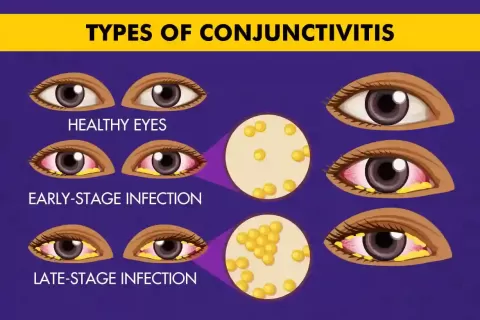
- Conjunctivitis and surface infections:
Redness, discharge and pain from germs on the surface where the ink was injected.
- Orbital cellulitis:
Infection spreads to the tissues around the eyeball, causing severe swelling, fever and risk of spread to the brain.
- Endophthalmitis (infection inside the eye):
A medical emergency where bacteria grow inside the eyeball, leading to rapid, permanent loss of vision if not treated aggressively.
Why Do Eye Doctors Strongly Advise Against Eyeball Tattoos?
Major eye health organisations clearly warn the public that eyeball tattoos are extremely risky and should not be done for cosmetic reasons.
For example:
- The American Academy of Ophthalmology notes that eyeball tattoos carry risks including decreased vision, complete blindness, infection and even loss of the eye.
- The Royal Australian and New Zealand College of Ophthalmologists calls eyeball tattooing an extremely dangerous, irreversible procedure that can lead to blindness and advises against it for cosmetic purposes.
As eye doctors, we worry about three extra things:
- No "undo" button:
Once ink is injected into the tissues of the eye, it is very difficult or impossible to remove completely. Even if we treat infection or inflammation, the pigment and scarring stay.
- Unpredictable long-term reaction:
Tattoo pigments can trigger immune or toxic reactions months or years later; we still do not know all the long-term risks.
- Lack of proper training and regulation:
Many artists performing these procedures are not medically trained and not fully understand the eye's anatomy or how to manage complications.
Safer Alternatives If You Want to Change How Your Eyes Look
If you are mainly drawn to the look of coloured eyes, there are safer ways to express yourself:
- Doctor-fitted coloured contact lenses:
These can change the colour of your iris, but must be properly prescribed, fitted and cared for to reduce infection risk.
- Make-up and cosmetic options around the eye:
Eyeliner, eye shadow and other external products (used safely and removed well) can change your style without touching the eyeball itself.
- Medical corneal tattooing (only when indicated):
In some cases of corneal scars, doctors use special techniques to tattoo or dye part of the cornea for cosmetic reasons, but this is a medical procedure, not a fashion trend.
Conclusion
Eyeball tattooing looks striking in photos, but from a medical point of view it is one of the riskiest cosmetic trends we have seen in recent years. The reported eyeball tattoo side effects range from irritation and light sensitivity to severe infection, scarring, and permanent blindness, with many eyeball tattoo gone wrong stories ending in partial or total loss of the eye.
Because we cannot reliably remove the ink or fully repair the damaged tissues, many experts across the world advise that the safest choice is to avoid eyeball tattoos altogether. If you ever feel tempted by this trend or know someone considering it, talk to an eye specialist first, protecting your sight is far more valuable than any short-term fashion statement.
Frequently Asked Questions
Are eyeball tattoos safe if done by an experienced tattoo artist?
What are the most serious eyeball tattoo side effects doctors see?
How can I tell if I have an eyeball tattoo infection?
Can an eyeball tattoo be removed or reversed?
I already have an eyeball tattoo but feel fine. Do I still need check-ups?
Could not find what you are looking for?


