Shingles In The Eye ? Symptoms, Causes, Treatment, And Prevention!
- By Centre For Sight
- 4 minutes
Blog Summary
Shingles in the eye, caused by reactivated varicella-zoster virus, can lead to painful rashes, vision issues, and complications. Early diagnosis, antiviral treatment, and vaccination are key to prevention and care.
- Ocular shingles can cause serious eye complications, but is preventable with vaccination.
- Early tingling, burning, or rash near the eye requires prompt medical attention.
- Ageing, stress, and weak immunity increase the risk of shingles in the eye.
- Antiviral medications and steroid eye drops reduce severity and prevent complications.
- Long-term antiviral therapy helps manage recurrent outbreaks and protect vision health.
What is Shingles in the Eye?
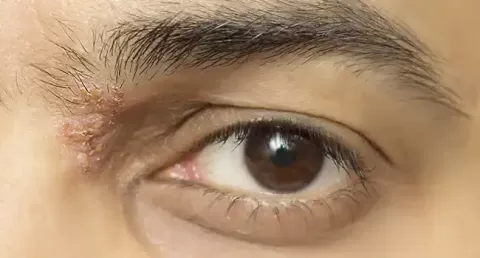
Shingles in the eye, or ocular shingles (herpes zoster ophthalmicus, HZO), occurs when the varicella-zoster virus?responsible for chickenpox?reactivates, affecting the ophthalmic branch of the trigeminal nerve. Accounting for 10?20% of shingles cases, it can cause serious eye complications if not treated promptly.
Causes and Risk Factors
The primary cause of shingles in the eye is the reactivation of the dormant varicella-zoster virus. Factors that can trigger this reactivation include ageing, stress, and weakened immune systems due to conditions like diabetes or immunosuppressive treatments.
Symptoms of Shingles in the Eye
- Early signs include a tingling or burning sensation on the forehead, scalp, or around the eye.
- Within a few days, a painful rash with blisters may appear on one side of the face, often affecting the forehead, nose, or upper eyelid.
- Eye involvement can cause redness, swelling, sensitivity to light, blurred vision, and, in severe cases, vision loss.
Who Is at Risk for Shingles in the Eye?
Certain factors increase the likelihood of developing ocular shingles. These include:
- Age: Older adults, especially those over 60, are more susceptible.
- Weakened immune system: Conditions like HIV, cancer, or immunosuppressive medications elevate risk.
- History of chickenpox: The virus can remain dormant for years and reactivate later in life.
- Stress or trauma: These factors can trigger the virus reactivation.
When to Seek Medical Attention?
It is crucial to seek medical care immediately if you notice symptoms of shingles in the eye, especially if you experience:
- Persistent pain or a rash near the eye.
- Swelling or redness that spreads quickly.
- Blurred or impaired vision.
- Sensitivity to light or unusual eye discomfort.
Prompt evaluation ensures proper treatment of shingles in the eye and reduces the risk of complications such as corneal scarring or vision loss.
Treatment of Shingles in the Eye
- Early intervention is crucial to prevent complications.
- Antiviral medications such as acyclovir, valacyclovir, or famciclovir help reduce the severity and duration of symptoms.
- Steroid eye drops may be prescribed for significant inflammation.
- Pain management is an essential part of treatment.
- Long-term antiviral therapy may be advised for frequent or severe outbreaks to prevent recurrence and offer a potential cure for shingles in the eye.
Prevention and Vaccination Tips
The Shingrix vaccine is recommended for adults aged 50 and older and for individuals aged 19 and over with weakened immune systems. Vaccination can significantly reduce the risk of developing shingles and its associated complications, including ocular shingles.
If you experience any symptoms of shingles near the eye, it's essential to consult an eye care professional promptly to initiate appropriate treatment and prevent potential vision loss.
Self-Care and Lifestyle Tips
- Maintain a strong immune system through a balanced diet and regular exercise.
- Avoid touching or scratching the rash to prevent infection.
- Protect your eyes by wearing sunglasses if light sensitivity occurs.
- Get vaccinated with the shingles vaccine to reduce the risk of developing shingles near eyes.
Frequently Asked Questions
How serious are shingles in the eye?
How long does it take for shingles to heal in the eye?
Can eye damage from shingles be repaired?
Can an optometrist treat shingles near the eye?
What foods are bad for shingles?
Could not find what you are looking for?


