- Surgery – this involves moving the muscles that control eye movement, so their eyes line up correctly. It may be recommended if glasses are not fully effective on their own.
- Injections into the eye muscles – these weaken the eye muscles, which can help the eyes line up better. But the effect usually lasts less than three months.
How is squint surgery performed?
Squint surgery is a very common eye operation. Generally, it involves tightening or moving some of the extrinsic eye muscles that are responsible for eye movement and for changing the eye position. These muscles are attached closely to the anterior part of the eyes under the conjunctiva, which is the transparent surface layer. Stitches are used to attach the muscles to their new positions.
Squint surgery is generally performed on an outpatient basis, and one can leave the hospital premises on the very same day. There are two kinds of squint surgeries that are undertaken by doctors which are referred to as adjustable and non-adjustable. In adjustable surgery, which can be performed in older children and adults, the stitches can be adjusted shortly after the surgery, when the patient is awake.
Benefits of the procedure?
After undergoing the knife, people experience many benefits such as-
- Restoration of alignment of eyes, thereby making the eyes straight
- Restoration of binocular vision and facilitating visual development
- Preserved vision
- Reduced eye strain or eye fatigue
Even though risks from a squint surgery are rare, there can be unpredictability in the exact position of the eyes after surgery and sometimes more than one operation is required to achieve the desired results.
Why choose Centre for Sight?
Centre for Sight has onboard an expert panel of eye specialists that have more than two decades of experience in the eye care industry. So, if you are looking for a squint specialist nearby and are unable to find one, we suggest you head to Centre for Sight for having squint correction surgery. Strategically located in various parts of the country, the objective of the Centre for Sight is to help people struggling with eye disorders, diseases, and problems at cost effective prices because we believe that every eye deserves the best.
FAQs
Is squint eye surgery 100% successful?
Squint surgery is highly successful in improving eye alignment and vision for most patients. However, the exact results can vary from person to person. In some cases, the eyes may need time to adjust, or an additional procedure may be required to achieve the best alignment. Regular follow-ups with your eye specialist help ensure the best outcomes.
Can squint be corrected by surgery?
Yes, surgery is one of the most effective treatments to correct strabismus. It works by adjusting the eye muscles responsible for alignment. While glasses or exercises may help in some cases, surgery is often recommended when these options do not fully correct the condition.
Which age is best for squint eye surgery?
Squint surgery can be performed at almost any age, depending on the diagnosis. For children, early treatment, usually between 6 months and 5 years, is ideal for proper visual development. Adults can also benefit from surgery, especially if the squint affects vision, comfort, or confidence.
Is squint surgery painful?
Squint surgery is not typically painful because it is performed under anaesthesia (general for children and sometimes local for adults). After the surgery, mild discomfort, redness, or irritation may occur, but these symptoms usually settle within a few days with prescribed medication.
- Glasses – these can help if a squint is caused by a problem with your child’s eyesight, such as long-sightedness.
- Surgery – this involves moving the muscles that control eye movement, so their eyes line up correctly. It may be recommended if glasses are not fully effective on their own.
- Injections into the eye muscles – these weaken the eye muscles, which can help the eyes line up better. But the effect usually lasts less than three months.
How is squint surgery performed?
Squint surgery is a very common eye operation. Generally, it involves tightening or moving some of the extrinsic eye muscles that are responsible for eye movement and for changing the eye position. These muscles are attached closely to the anterior part of the eyes under the conjunctiva, which is the transparent surface layer. Stitches are used to attach the muscles to their new positions.
Squint surgery is generally performed on an outpatient basis, and one can leave the hospital premises on the very same day. There are two kinds of squint surgeries that are undertaken by doctors which are referred to as adjustable and non-adjustable. In adjustable surgery, which can be performed in older children and adults, the stitches can be adjusted shortly after the surgery, when the patient is awake.
Benefits of the procedure?
After undergoing the knife, people experience many benefits such as-
- Restoration of alignment of eyes, thereby making the eyes straight
- Restoration of binocular vision and facilitating visual development
- Preserved vision
- Reduced eye strain or eye fatigue
Even though risks from a squint surgery are rare, there can be unpredictability in the exact position of the eyes after surgery and sometimes more than one operation is required to achieve the desired results.
Why choose Centre for Sight?
Centre for Sight has onboard an expert panel of eye specialists that have more than two decades of experience in the eye care industry. So, if you are looking for a squint specialist nearby and are unable to find one, we suggest you head to Centre for Sight for having squint correction surgery. Strategically located in various parts of the country, the objective of the Centre for Sight is to help people struggling with eye disorders, diseases, and problems at cost effective prices because we believe that every eye deserves the best.
FAQs
Is squint eye surgery 100% successful?
Squint surgery is highly successful in improving eye alignment and vision for most patients. However, the exact results can vary from person to person. In some cases, the eyes may need time to adjust, or an additional procedure may be required to achieve the best alignment. Regular follow-ups with your eye specialist help ensure the best outcomes.
Can squint be corrected by surgery?
Yes, surgery is one of the most effective treatments to correct strabismus. It works by adjusting the eye muscles responsible for alignment. While glasses or exercises may help in some cases, surgery is often recommended when these options do not fully correct the condition.
Which age is best for squint eye surgery?
Squint surgery can be performed at almost any age, depending on the diagnosis. For children, early treatment, usually between 6 months and 5 years, is ideal for proper visual development. Adults can also benefit from surgery, especially if the squint affects vision, comfort, or confidence.
Is squint surgery painful?
Squint surgery is not typically painful because it is performed under anaesthesia (general for children and sometimes local for adults). After the surgery, mild discomfort, redness, or irritation may occur, but these symptoms usually settle within a few days with prescribed medication.
Summary: Adult strabismus is a condition where the eyes are not aligned properly, causing them to point in different directions. While many adults may have had the condition since childhood, it can also develop later due to medical issues such as diabetes, stroke, thyroid disorders, or eye surgery. With early diagnosis & proper treatment, whether through glasses, exercises, injections, or surgery, eye alignment & quality of vision can often be restored.
|
Key Takeaways:
|
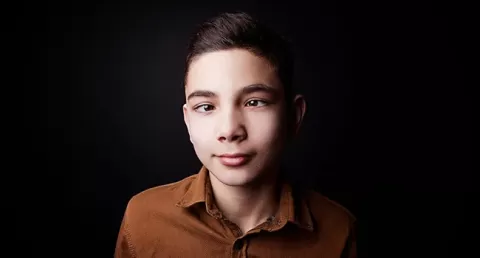
Strabismus also referred to as squints, is defined by eye experts as an eye ailment wherein the eyeballs are misaligned and point in different directions at the same time. When it occurs in adults, it is referred to as adult strabismus. However, with that being said, most adults with squints have had this condition since childhood, and it gets ignored by the majority of people in the initial stages.
However, strabismus can also begin in adulthood due to medical problems, such as:
- Diabetes
- Thyroid disease
- Graves’ disease
- Myasthenia gravis
- Brain tumors
- Head trauma
- Strokes
On some occasions, misalignment of the eyes can also occur after surgery on or around the eye, such as undergoing cataract surgery or retinal surgery. This is due to damage to the eye muscles during surgery. On extremely rare occasions, a squint can also sometimes be a symptom of a rare type of childhood eye cancer called retinoblastoma.
What are the possible symptoms of a squint?
Just like every disease, this eye ailment is also associated with a few symptoms like :
- Eye fatigue
- Double vision
- Overlapped or blurred images
- A pulling sensation around the eyes
- Reading difficulty
- Loss of depth perception
- Better social or professional interaction
The symptoms related to squints generally have an adverse impact on the life of people as they are often unable to make direct eye contact with both eyes when looking at people, which in turn can affect their self-confidence and make social situations awkward. Unfortunately, sometimes, they also end up getting mocked.
Can eye exercises help?
In some cases, a few eye exercises may help in solving issues related to squints, and below we have listed out a few eye exercises that eye doctors suggest for treatment of squints such as:
- Pencil push-ups
- The Brock string
- Barrel cards
Are there other treatments available?
The other main treatments for a squint are:
- Glasses – these can help if a squint is caused by a problem with your child’s eyesight, such as long-sightedness.
- Surgery – this involves moving the muscles that control eye movement, so their eyes line up correctly. It may be recommended if glasses are not fully effective on their own.
- Injections into the eye muscles – these weaken the eye muscles, which can help the eyes line up better. But the effect usually lasts less than three months.
How is squint surgery performed?
Squint surgery is a very common eye operation. Generally, it involves tightening or moving some of the extrinsic eye muscles that are responsible for eye movement and for changing the eye position. These muscles are attached closely to the anterior part of the eyes under the conjunctiva, which is the transparent surface layer. Stitches are used to attach the muscles to their new positions.
Squint surgery is generally performed on an outpatient basis, and one can leave the hospital premises on the very same day. There are two kinds of squint surgeries that are undertaken by doctors which are referred to as adjustable and non-adjustable. In adjustable surgery, which can be performed in older children and adults, the stitches can be adjusted shortly after the surgery, when the patient is awake.
Benefits of the procedure?
After undergoing the knife, people experience many benefits such as-
- Restoration of alignment of eyes, thereby making the eyes straight
- Restoration of binocular vision and facilitating visual development
- Preserved vision
- Reduced eye strain or eye fatigue
Even though risks from a squint surgery are rare, there can be unpredictability in the exact position of the eyes after surgery and sometimes more than one operation is required to achieve the desired results.
Why choose Centre for Sight?
Centre for Sight has onboard an expert panel of eye specialists that have more than two decades of experience in the eye care industry. So, if you are looking for a squint specialist nearby and are unable to find one, we suggest you head to Centre for Sight for having squint correction surgery. Strategically located in various parts of the country, the objective of the Centre for Sight is to help people struggling with eye disorders, diseases, and problems at cost effective prices because we believe that every eye deserves the best.
FAQs
Is squint eye surgery 100% successful?
Squint surgery is highly successful in improving eye alignment and vision for most patients. However, the exact results can vary from person to person. In some cases, the eyes may need time to adjust, or an additional procedure may be required to achieve the best alignment. Regular follow-ups with your eye specialist help ensure the best outcomes.
Can squint be corrected by surgery?
Yes, surgery is one of the most effective treatments to correct strabismus. It works by adjusting the eye muscles responsible for alignment. While glasses or exercises may help in some cases, surgery is often recommended when these options do not fully correct the condition.
Which age is best for squint eye surgery?
Squint surgery can be performed at almost any age, depending on the diagnosis. For children, early treatment, usually between 6 months and 5 years, is ideal for proper visual development. Adults can also benefit from surgery, especially if the squint affects vision, comfort, or confidence.
Is squint surgery painful?
Squint surgery is not typically painful because it is performed under anaesthesia (general for children and sometimes local for adults). After the surgery, mild discomfort, redness, or irritation may occur, but these symptoms usually settle within a few days with prescribed medication.