Black Cataracts: Causes, Warning Signs, and Treatment
- By Centre For Sight
- 5 minutes
Introduction
An advanced, severe stage of cataract is called a black cataract (black motiyabind), often developing from a long-standing nuclear cataract, where the natural lens of the eye becomes dark brown or nearly black. This eye condition develops gradually with time and often appears if you leave a cataract untreated for years. In India, it is commonly known as black motiyabind. Black cataracts may cause serious loss of vision and may lead to complications if not treated in a timely manner.
What Is a Black Cataract?
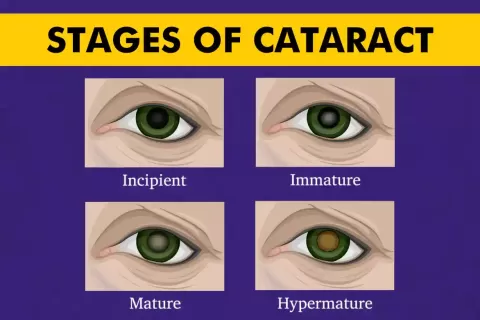
In medical terms, a black cataract is known as a hypermature cataract or advanced nuclear. In this stage, the lens proteins denature and become compact, making the lens darken significantly. It is the final phase among different cataract stages, when it is quite serious and irreversible without surgery. Unlike common cataracts that look cloudy or white, a black cataract makes the pupil dark brown or even black. By this stage, the vision is generally extremely poor, and glasses are of no help.
Who Is at Risk of Black Cataracts (Black Motiyabind)?
Certain factors are more prone to developing black cataracts:
- Elderly people, especially those above the age of 60
- Those who delay or avoid cataract surgery
- Diabetes patients
- People who have long-term exposure to sunlight without protecting their eyes
- Individuals from rural or under-resourced areas with limited access to eye care
Causes of Black Cataract
Black cataracts generally form because of long-term neglect toward cataract treatment. Common causes of black cataract include:
- Age-related cataracts progressing to an advanced stage
- Oxidation and break-down of lens proteins with time
- Poor nutrition that affects eye health
- Eye trauma or injury (in rare cases)
Identifying what causes cataracts early helps prevent progression to this stage.
Early Warning Signs of Black Cataract (Black Motiyabind)
In the early stages, symptoms are mild and easy to ignore, like:
- Gradually and painlessly declining vision
- Difficulty in dim or low light
- Noticing more glare from lights or sunlight
- Frequently changing eye power
Spotting these symptoms of cataracts early is the key to getting timely treatment.
Black Cataract Symptoms (Advanced Stage)
As the cataract keeps on maturing, symptoms tend to get severe.
- Low vision or near blindness
- Dark or black reflex that can be seen behind the pupil
- Increased sensitivity to light
- Difficult to recognise things and people
- Vision doesn't improve even with glasses
- Pain or redness due to inflammation (only in a few cases)
These advanced motiyabind symptoms signal the need for urgent medical care.
Complications of Untreated Black Cataracts
Not getting the timely medical attention for black cataract can lead to serious eye problems, such as:
- Completely losing vision
- Increased pressure in the eye (secondary glaucoma)
- Inflammation induced by the lens
- Higher chances of risk if the surgery is delayed too long
- Early diagnosis reduces complications and improves surgical outcomes.
Diagnosis of Black Cataract
Ophthalmologists diagnose black cataracts, also known as hypermature cataracts, during a comprehensive eye examination. Many patients don't notice the severity of the eye condition because vision declines slowly over several years. The doctor starts with asking you about changes in your vision and for how long you've been dealing with the symptoms. Eye specialists use a slit-lamp microscope to examine the lens colour, density and its rigidity. If the cataract is blocking the retina's view, the doctor then performs a B-scan ultrasound to assess the eye's internal structures. They also check eye pressure, as an advanced cataract raise the chances of secondary glaucoma. A thorough diagnosis enables the doctor to plan surgery safely and achieve the best possible visual outcome.
Black Cataract Treatment Options
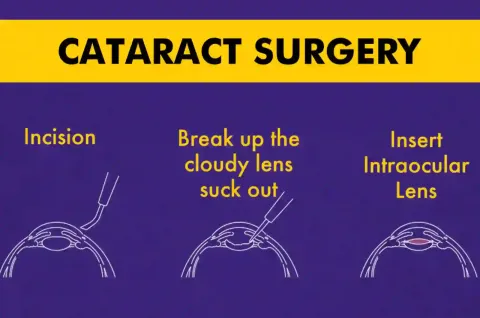
Black cataracts are treated through surgical treatment only. Home remedies, eye drops, and medications don't reverse or dissolve black cataract. During cataract surgery, the doctor removes the denatured eye lens and places a clear artificial intraocular lens. Black cataracts are rigid and dense, the doctor chooses a technique based on how hard the lens is and other factors like eye health, surgical safety, etc. Experienced cataract surgeons leverage modern surgical techniques to remove black cataract and restore vision effectively, even in cases of long-standing, untreated cataract.
Recovery After Black Cataract Surgery
In most cases, the recovery after black cataract surgery is smooth. However, complete healing may take longer than in normal cases of cataract. As black cataracts are hard and difficult to break, surgery may take longer, increasing the risk of post-operative inflammation and prolonging recovery. In some cases, a larger incision may be required to remove these cataracts.
Post-surgery care
Patients must:
- Regularly use doctor-prescribed eye drops
- Don't rub or touch the cataract-operated eye
- Prevent dust, smoke, and water from entering your eyes
- Religiously follow temporary restrictions on physically strenuous activities
Following these post-operative tips ensures seamless healing and lesser chance of complications.
Expected visual improvement timeline
Many patients experience clearer vision within a few days only. Vision keeps on improving over the next 2-4 weeks as the eye heals and adapts to the new lens. Some patients also notice consistently improving vision, especially if there is no other eye condition.
Follow-up visits
Go for follow-up consultations to track healing, assess eye pressure, and make sure stable vision. Follow-up visits let the surgeon to immediately spot and address issues.
Can Black Cataracts Be Prevented?
It is possible to prevent black cataracts by seeking timely eye care. Doctors advise regular eye checkups to detect cataracts early and recommend surgery before the cataract worsens. Managing diabetes, keeping the eyes protected from prolonged exposure to UV rays and sticking to the doctor's advice lowers the chances of an advanced cataract. Mostly, black cataracts form when a patient keeps neglecting treatment for years.
When Should You See an Eye Specialist?
You should visit an eye specialist when you are going through these symptoms:
- Persistent or gradual loss of vision
- Vision dimming or darkening
- Problem in seeing things at night
- Major difference in the vision of both eyes
Timely evaluation ensures good surgical safety and better visual outcomes. Even prolonged vision-related problems need medical intervention, because modern treatment restores vision significantly.
Conclusion
Black cataracts is the advanced or stage of cataract progression, where prolonged delay makes the lens get more dense and with dark pigmentation. By this stage, there is a major of vision and corrective lenses are not effective at all. The only definite solution of such hypermature cataract is its surgical removal and replacement with a clear IOL. With modern cataract surgery techniques, cataract surgeons effectively restore vision with a carefully personalized treatment plan. It is highly advised to address cataracts before they become hypermature to reduce surgical complexity and long-term risks. So, take prompt action for medical treatment in case of any continual vision darkening or dimming, or an imbalance between the eyes.


Could not find what you are looking for?


