Lamellar Cataract (Zonular): Causes, Symptoms and Surgery
- By Centre For Sight
- 8 minutes
Blog Summary
- What is Lamellar (zonular) cataract: It is a type of cataract that is a cloudy layer inside the lens, ring-like, affecting one or both eyes.
- Who gets it: Commonly congenital/childhood, but can be seen in adults too.
- Main cause: Largely genetic; inherited ( autosomal dominant). Some cases happen without a family history.
- Other factors: Can be linked (less often) to radiation exposure, maternal infections, or metabolic disorders.
- Progression: Often non-progressive, the opacity usually doesn’t keep worsening; impact depends on size and location.
- Symptoms: Blurry/cloudy vision, light sensitivity, poor night vision; in kids, eye turn (strabismus) or shaky eyes (nystagmus).
- Diagnosis: Full eye exam with slit-lamp; may include dilation, visual tests, and imaging (e.g., OCT).
- When to treat (adults): If vision limits reading, work, or safe driving, even after new glasses, surgery is considered.
- When to treat (children): Lower threshold because of amblyopia (lazy eye) risk; early action (glasses/patching ± surgery) if the opacity blocks the visual axis.
- Prevention: No proven way to prevent genetic cases; however, early detection and timely care can lead to good results. Surgery replaces the cloudy lens with a clear IOL and is generally safe and effective.
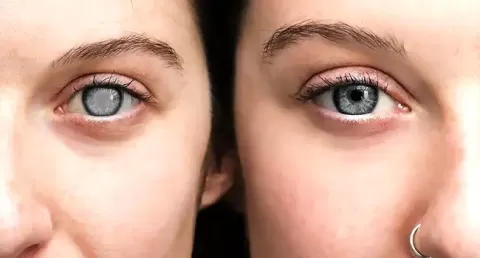
Lamellar cataract, also referred to as zonular cataract, is a specific type of cataract that affects the lens of the eye. It is characterized by the formation of opaque areas within the lens, leading to visual impairment. This condition can occur in both children and adults, and it may affect one or both eyes.
In this blog, we will delve into the details of congenital lamellar cataract, including its causes, symptoms, diagnosis, treatment options like cataract surgery, and more. By gaining a better understanding of this condition, individuals can be better equipped to recognize the signs and seek appropriate medical attention.
What Is Lamellar or Zonular Cataract?
Zonular cataract is a type of congenital cataract, meaning it is present at birth or develops during infancy. It is characterized by the formation of cloudy or opaque areas within the lens.
These opacities can vary in size and location, and they can affect different layers of the lens. The exact cause of lamellar cataract is not fully understood. However, it is believed to be primarily caused by genetic factors.
Certain mutations or abnormalities in the genes responsible for lens development can lead to the formation of zonular cataracts. In some cases, environmental factors or underlying medical conditions may also contribute to the development of this condition.
Lamellar cataracts can vary in severity. In some cases, they may only affect a small portion of the lens, leading to minor visual impairment. In more severe cases, the opacities can cover a larger area of the lens, resulting in significant loss of vision.
It is important to note that zonular cataracts are not progressive. This means that once the opacities have formed, they usually do not worsen over time. However, the impact on vision can vary depending on the size and location of the opacities.
Zonular or Lamellar Cataract Causes
As mentioned earlier, lamellar cataract is primarily caused by genetic factors. It is often inherited in an autosomal dominant pattern, meaning that a child has a 50% chance of developing the condition if one of their parents carries the gene mutation.
In some cases, zonular cataracts may also occur sporadically, meaning there is no family history of the condition. New gene mutations or other unknown factors may cause these cases.
Additionally, certain environmental factors or medical conditions may increase the risk of developing zonular cataract. These factors can include exposure to radiation, maternal infections during pregnancy, or certain metabolic disorders.
Lamellar Cataract Symptoms
The signs and symptoms of lamellar cataract can vary depending on the size and location of the opacities within the lens. Some common signs and symptoms include:
- Blurred or cloudy vision
- Reduced visual acuity
- Sensitivity to light
- Poor night vision
- Strabismus (crossed or misaligned eyes)
- Nystagmus (involuntary eye movements)
It is important to note that these symptoms may not be exclusive to zonular cataracts and can also be present in other eye conditions.
Therefore, it is crucial to consult with an eye care professional for a proper diagnosis.
How Is Lamellar Cataract Diagnosed?
Diagnosing zonular cataracts typically involves a comprehensive eye examination. The eye care professional will perform various tests to assess visual acuity, evaluate the lens, and detect any opacities.
One common diagnostic tool used is a slit-lamp examination, which allows the doctor to examine the structures of the eye, including the lens, under magnification.
Additional tests, such as visual field testing or optical coherence tomography (OCT), may also be conducted to gather more information about the condition.
If a congenital lamellar cataract is suspected, the eye care professional may refer the individual to a pediatric ophthalmologist or a specialist in cataract surgery for further evaluation and management.
When to Treat: Adults vs Children (Amblyopia Risk)
Treatment depends on how much the cataract is affecting vision and daily life. The rules are stricter for children due to the risk of amblyopia (lazy eye).
Adults: If vision is clearly getting in the way of reading, driving (especially night glare), or work, treatment is reasonable.
If symptoms are mild and stable, your doctor may recommend new glasses and regular check-ups; surgery is planned when the benefits outweigh the small risks.
Children: Even a small, centrally placed lamellar (zonular) cataract can block key visual signals to the brain and cause amblyopia.
If the cloudy area is in the line of sight and vision is not improving with glasses, doctors act early. This includes patching the stronger eye, using special drops, and, when needed, surgery to clear the visual axis.
How decisions are made: The team considers the child's age, whether the blur is in the center of vision, how well each eye sees, and any signs such as eye turn or shaky eyes.
In adults, timing is guided by symptoms, lifestyle needs, and other eye conditions (e.g., glaucoma, macular problems).
Follow-up matters: Adults with mild symptoms can be reviewed every few months to track change.
Children need closer follow-up after any treatment to protect against amblyopia; this often includes glasses updates and a structured patching plan.
How to Prevent Lamellar Cataracts?
Since genetic factors primarily cause zonular cataract, there are currently no known prevention methods to avoid its development. However, early detection and appropriate management can help minimize the impact on vision and overall quality of life.
In cases where the visual impairment is significant and affects daily activities, cataract surgery may be recommended. During this procedure, the cloudy lens is removed and replaced with an artificial lens, known as an intraocular lens (IOL).
Cataract surgery is generally safe and effective, with high success rates in improving vision. Regular follow-up appointments with an eye care professional are important to monitor the condition and ensure optimal visual outcomes.
Additionally, individuals with zonular cataracts should protect their eyes from excessive sunlight exposure and maintain a healthy lifestyle to support overall eye health.
Complications and Prognosis in Lamellar Cataract
Lamellar cataract itself does not typically lead to complications. However, the impact on vision can vary depending on the size and location of the opacities within the lens.
In some cases, individuals with zonular cataract may experience visual impairment that affects their daily activities and quality of life.
The prognosis for congenital lamellar cataract is generally favorable, especially with appropriate management and timely cataract surgery if necessary.
With advancements in surgical techniques and intraocular lens technology, the majority of individuals with zonular cataracts can achieve improved vision and lead fulfilling lives.
Treatment Options for Lamellar Cataract
The main treatment option for lamellar cataract is cataract surgery. This procedure involves removing the cloudy lens and replacing it with an artificial intraocular lens (IOL).
Cataract surgery is a safe and effective procedure, with high success rates in restoring vision. The specific surgical approach and choice of intraocular lens depend on various factors, including the individual's age, overall eye health, and the severity of the cataract. The surgeon will discuss the options, potential risks and benefits with the individual before the surgery.
In some cases, cataract surgery may be combined with other procedures, such as the removal of additional lens opacities or the correction of refractive errors with laser vision correction techniques.
Conclusion
Congenital lamellar cataract, also known as zonular cataract, is a specific type of cataract characterized by the formation of opaque areas within the lens. It can affect individuals of all ages and may be caused by genetic, environmental, or underlying medical factors.
Signs and symptoms of lamellar cataract can include blurred vision, reduced visual acuity, sensitivity to light, and poor night vision. Diagnosis involves a comprehensive eye examination, and treatment options include cataract surgery, which replaces the cloudy lens with an artificial intraocular lens.
Frequently Asked Questions
What is a lamellar cataract?
Is a lamellar cataract the same as a zonular cataract?
What are the types of Nystagmus?
What are the common symptoms experienced by individuals with lamellar cataract?
What are the primary causes and risk factors associated with lamellar cataract?
How do healthcare professionals diagnose lamellar cataract?
When is lamellar cataract surgery needed?
Are there any non-surgical treatment options available for managing lamellar cataract?
What is the difference between nuclear cataract and lamellar cataract?
Can lamellar cataracts be prevented?
Could not find what you are looking for?


