

|
Key Takeaways:
|
Glaucoma symptoms can be easy to miss at first, which is why it’s called the “silent thief of sight.” Over time, rising eye pressure can damage the optic nerve, causing permanent vision loss if not treated. This guide explains the early signs, who’s at higher risk, and simple steps to prevent damage and protect your sight.
What is Glaucoma?
Glaucoma is a group of eye diseases that damage the optic nerve, the cable that carries images from the eye to the brain. The most common driver is higher-than-healthy eye pressure (IOP), but some people develop glaucoma even with “normal” pressure. Because early damage is usually silent, many people feel fine while slow vision loss is building.
What makes glaucoma dangerous is that early symptoms of glaucoma are often absent. In India, glaucoma is one of the leading causes of irreversible blindness, with many unaware they even have it.
Common types of Glucoma include:
A brief overview of the most common types of glaucoma, how they develop, and how they affect vision.
|
Type |
Details |
|
Open-angle glaucoma |
The most common type, characterized by slow and progressive vision loss. |
|
Angle-closure glaucoma |
A more severe form that occurs suddenly and requires immediate medical attention. |
|
Normal-tension glaucoma |
Occurs despite normal eye pressure levels, making it difficult to detect early. |
|
Present at birth due to abnormal eye development. Knowing the type helps your doctor choose the right tests and treatment. |
Why Early Detection of Glaucoma Matters?
Unlike refractive errors (like myopia or hyperopia), glaucoma-related vision loss cannot be reversed. However, early detection can slow or stop progression.
The problem? Most glaucoma signs and symptoms appear only after some damage has already happened. That’s why you need to take your vision changes seriously.
Causes of Glaucoma
Glaucoma starts when the eye’s clear fluid (aqueous humour) doesn’t drain properly, so pressure strains the optic nerve or when the nerve is unusually sensitive to normal pressure.
|
Cause |
What does it mean? |
|
Blocked or inefficient drainage in the angle of the eye |
Fluid (aqueous humour) cannot drain properly, leading to increased eye pressure |
|
Genetics / family tendency |
Inherited traits may affect the drainage system or optic nerve strength |
|
Eye injury or prior surgery |
Damage or structural changes can disrupt normal fluid outflow |
|
Health conditions affecting blood flow (e.g., diabetes, high BP) |
Reduced or unstable blood supply weakens the optic nerve |
|
Steroid medicines (drops, inhalers, tablets, and skin creams) |
Steroids can increase intraocular pressure (IOP) over time |
Why Symptoms Matter (The Silent Early Stage)?
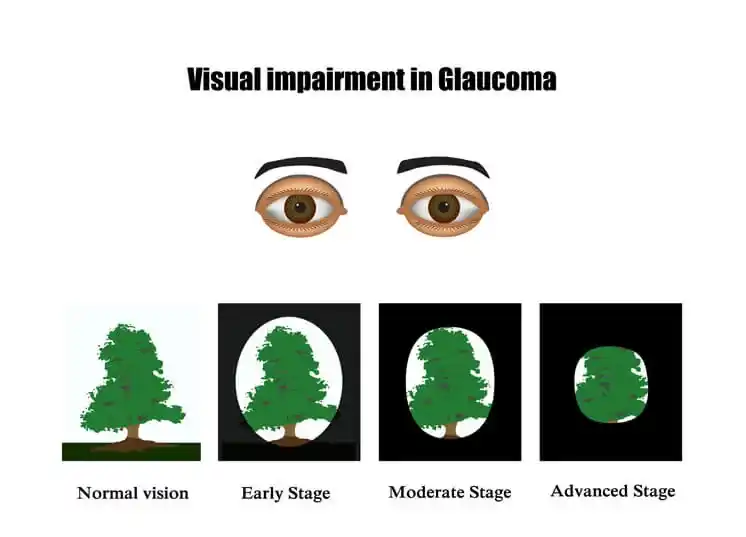
Early glaucoma usually has no symptoms. Side-vision thins slowly, and the brain adapts, so people don’t notice until the disease is advanced. That’s why regular exams and pressure/nerve checks are essential, catching change early protects sight.
Who is at Risk?
Some people need closer and earlier testing because their risk is higher.
- Family history of glaucoma (parent or sibling)
- Age over 40 (risk rises with age)
- Thin corneas, high myopia, or past eye injury/surgery
- Diabetes, hypertension, sleep apnea, migraine/vascular issues
- Long-term steroid use (any form)
- Ethnicity: African, Hispanic, or Asian ancestry have higher risk in many studies
|
Note: Long screen time mainly causes dryness and eye strain. It doesn’t directly cause glaucoma, but poor posture, breath-holding during effort, or prolonged head-down positions can nudge pressure temporarily. Regular breaks and good posture are still smart habits. |
Main Symptoms of Glaucoma
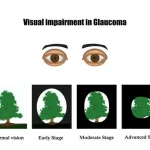
Glaucoma begins quietly. Vision feels normal because the brain fills in missing pieces, and there’s no pain in most early cases. Over months and years, tiny gaps grow at the edges of sight, night lights start to glare, and tasks that were effortless begin to feel tiring.
|
Stage |
Symptom |
What It Means? |
|
Early (Silent Stage) |
Side-vision loss |
Peripheral vision starts reducing gradually |
|
Difficulty in dim light |
Night driving becomes harder; glare and halos appear |
|
|
Reduced contrast |
Difficulty reading low-contrast text (e.g., grey on grey) |
|
|
Eye strain / mild headache |
Discomfort after reading or screen use |
|
|
Daily Life Impact |
Need for more light |
Difficulty reading menus or labels |
|
Turning head more often |
Compensating for reduced side vision |
|
|
Glasses give limited relief |
Vision improvement is temporary or incomplete |
|
|
Advanced Stage |
Tunnel vision |
Central vision remains, but side vision is lost |
|
Persistent blur |
Vision stays unclear despite blinking or new glasses |
|
|
Poor depth/edge judgment |
Trouble with steps, curbs; risk of falls |
|
|
Emergency Symptoms |
Severe eye redness+ pain |
Sudden pressure spike in the eye |
|
Halos + headache + nausea/vomiting |
Rapid vision disturbance with systemic symptoms |
|
|
Often Confused Symptoms |
Dryness / irritation |
Common in many eye conditions |
|
Frequent prescription changes |
Vision keeps changing |
Prevention & Eye Health
You can’t always prevent glaucoma, but you can lower glaucoma risk and protect your sight with steady habits and regular checks. Think of it as keeping the eye’s “pressure system” comfortable while caring for the optic nerve.
Smart daily habits:
- Move most days: Walking, cycling, or swimming helps overall blood flow and can support healthier pressure patterns.
- Sleep slightly head-up: Use an extra pillow or wedge to avoid night-time pressure rise.
- Sip water steadily: Small, regular sips are better than chugging large amounts at once.
- Go easy on caffeine and heavy straining: Multiple strong coffees/energy drinks, tight collars, or breath-holding lifts can nudge IOP up briefly.
- Protect your eyes: Wear safety eyewear for sports, DIY, and dusty work to avoid injury-related problems.
Screen time & comfort:
- Screens don’t cause glaucoma, but dryness and strain add discomfort.
- Follow the 20-20-20 rule (every 20 minutes, look 20 feet away for 20 seconds), blink fully, and use adequate lighting.
- Artificial tears can help if your doctor approves.
Health conditions & medicines:
- Control blood pressure and diabetes as per your physician’s plan.
- Tell your doctor about any steroid use (drops, inhalers, tablets, or skin creams), since steroids can raise eye pressure.
- If you snore loudly or feel very sleepy during the day, ask about sleep apnea, which may affect the optic nerve.
“Eye exercises”: what helps (and what doesn’t)
- Relaxation routines like palming, gentle blinking, and look-away breaks can help with fatigue and dryness.
- These do not lower eye pressure or treat glaucoma; they’re for comfort only.
Check-ups are very important:
- Get regular eye exams with pressure checks, optic nerve evaluation, and (when advised) tests like OCT and visual fields.
- Especially if you’re over 40, have a family history, high myopia, thin corneas, diabetes, hypertension, or long-term steroid use.
When to Seek Urgent Care?
Some Glaucoma symptoms can’t wait.
Get same-day medical care if you have severe eye pain, sudden redness, a quick drop in vision, or halos with headache, nausea, or vomiting, these can be signs of an angle-closure attack. Also act fast if one eye suddenly goes blurry while the other seems fine, or if you notice many new floaters and flashes.
Conclusion
Glaucoma starts quietly, so symptoms can be easy to miss until damage has already begun. Knowing the early signs and symptoms of glaucoma and your personal risk helps you act before vision is harmed. With regular check-ups and timely treatment, most people can slow or stop further loss and keep daily life clear and safe.
FAQs
What are early signs of glaucoma?
The early signs of glaucoma are side-vision loss, increasing night glare or halos, and needing more light to read, most of the time without pain.
Can glaucoma cause sudden vision loss?
Yes, glaucoma can cause sudden vision loss during an angle-closure attack, which is an emergency and needs same-day care.
Are symptoms of glaucoma different in men and women?
No, the symptoms of glaucoma are not different in men and women; symptoms are similar; differences are more about risk factors (age, hormones, health conditions) than the way symptoms feel.
Do young adults experience different glaucoma symptoms?
No, young adults do not experience different glaucoma symptoms, symptoms are largely the same, but young adults with high myopia or a strong family history should be checked earlier.
When should I see a doctor for glaucoma symptoms?
You should see a doctor for glaucoma symptoms promptly if side-vision feels unreliable, night glare is growing, new glasses don’t really help, or any sudden pain/redness or rapid blur appears.